
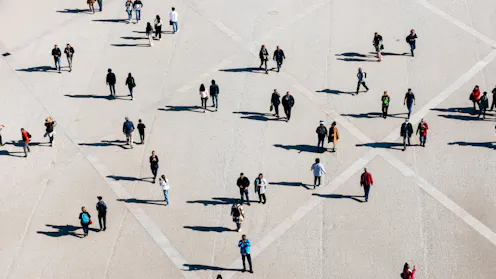
Population ebbs and flows are having geopolitical consequences.
- Professor Emeritus of Public Policy, University of Maryland, Baltimore County
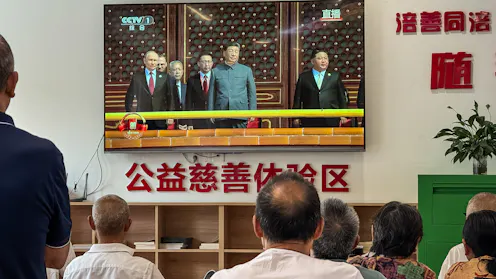
China’s recent shows of strength and solidarity with Russia and North Korea have prompted speculation of a global changing of the guard.

Malaysia, Vietnam and the Philippines have all attempted to counter Chinese claims to waters within their exclusive economic zones.
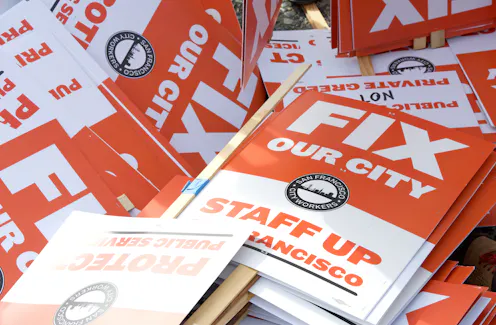
Des coûts en hausse et des recettes qui baissent, c’est le cocktail rencontré par de nombreuses villes des États-Unis. Et l’administration Trump pourrait les abandonner à leur sort. Jusqu’au krach ?

A perfect storm of rising costs and declining revenues is stressing many US city budgets – and the Trump administration isn’t likely to send much help.
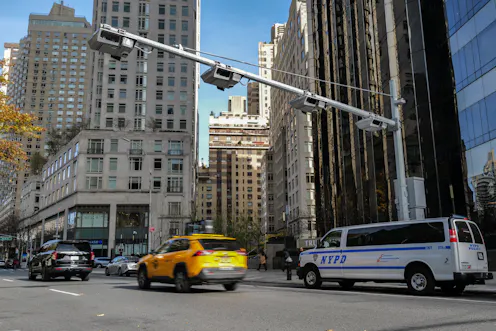
Gov. Kathy Hochul hit the brakes on congestion pricing in June but now is ready to roll, with a lower fee. Critics, including New Jersey officials and President-elect Donald Trump, remain opposed.
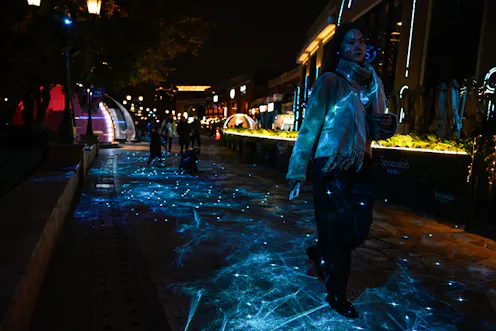
China has a lot of vacant retail space, including many underused shopping malls. An urban policy scholar describes how the Chinese are rethinking what the mall is for.
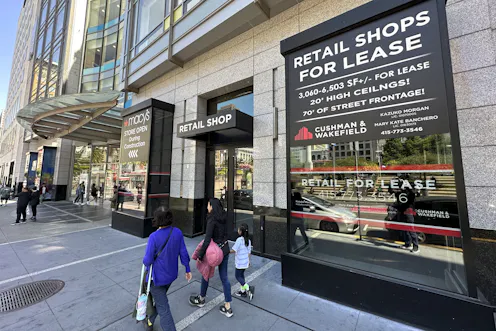
Developers have overbuilt office and commercial space in US cities for decades. Now, in the wake of pandemic shutdowns, many downtowns face hard choices about the future.

Traffic crashes kill and injure millions worldwide every year and are a major drain on economic development. Improving road safety would produce huge payoffs, especially in lower-income countries.
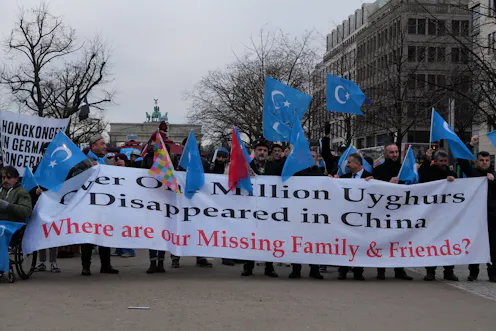
Is history really a triumphant march of progress? It depends on your point of view.

What will the US$1.2 trillion infrastructure bill pay for? Here are some of the things it will help build, fix or remove.
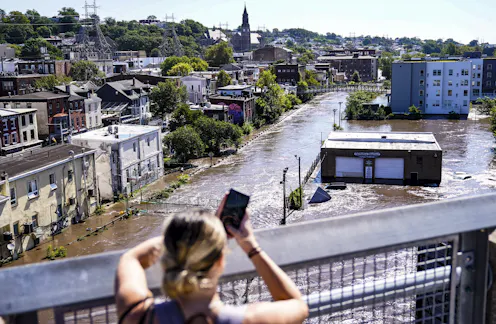
More than half of the world’s population lives in cities, and that share is growing. Rapid climate change could make many cities unlivable in the coming decades without major investments to adapt.
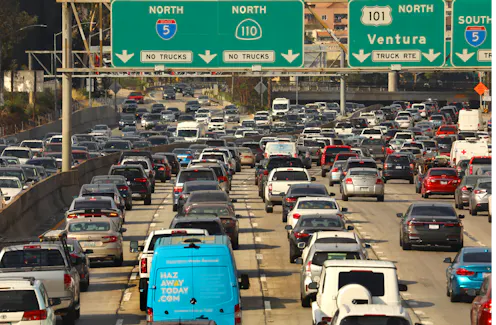
The pandemic offered a tantalizing look at city life with fewer cars in the picture. But with traffic rebounding, there’s limited time to lock in policies that make streets more people-friendly.
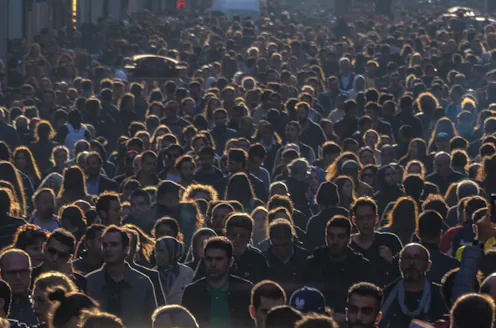
Two scholars of cities explain why dense, urban areas will survive – and thrive – long after the pandemic ends, and even if they don’t get a bailout.
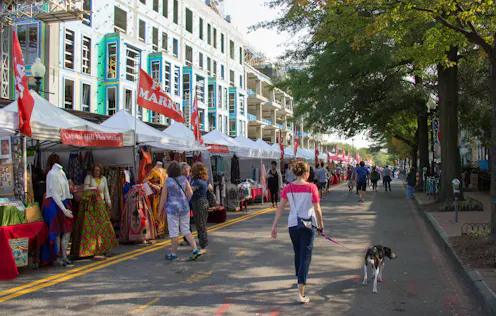
Alentar la venta callejera podría ser parte de la recuperación del COVID-19 para muchas ciudades alrededor del mundo, donde el trabajo informal ya es una parte importante de la economía.
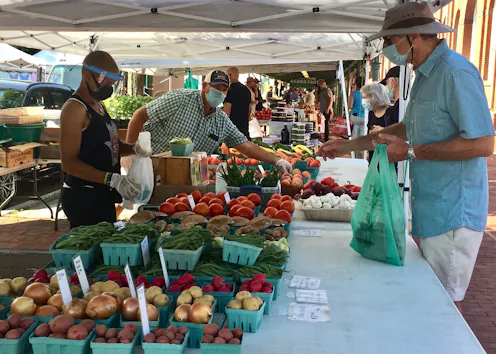
After trying to remove street vendors from its cities for years, China is supporting them to help jump-start its economy. An urban scholar explains why other cities should do the same.

Four out of 5 Americans live in cities, so urban planning can make a big difference in our lifestyles – especially if it promotes healthy diets and physical activity.
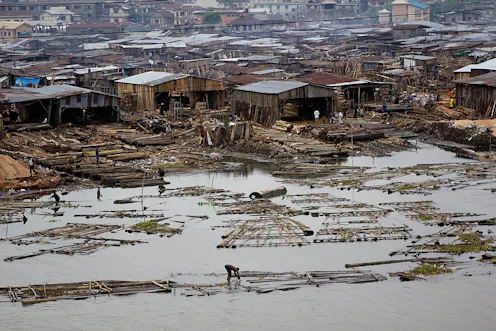
In our urban world, turning the makeshift and the informal into the livable and sustainable is our greatest challenge.
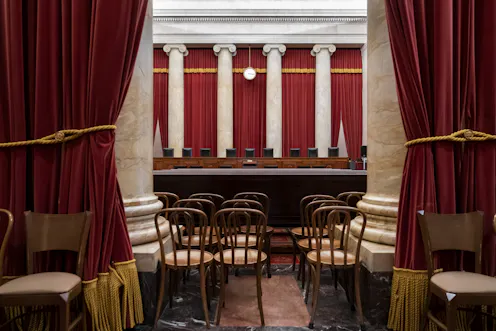
The Supreme Court has issued what’s likely to be its final word on partisan gerrymandering, saying it’s a political issue, not a legal one. That means reform lies in the hands of voters.
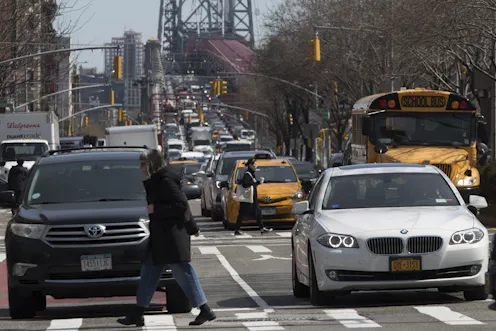
Starting in 2021, drivers will pay a fee to enter midtown and lower Manhattan during busy times of day. Will this clear New York’s air and streets?
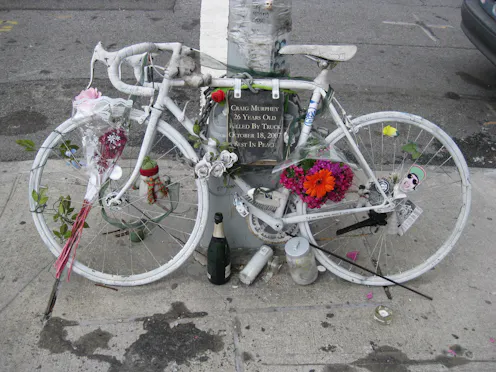
US cities were designed and engineered around cars. Now some are working to increase walking and biking, but the shift isn’t easy.
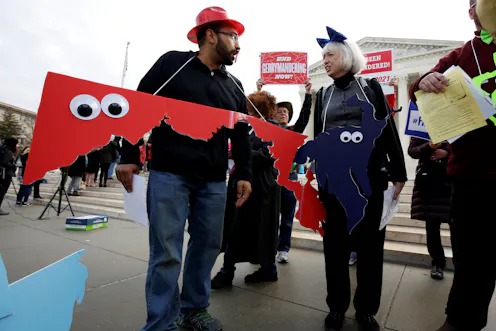
One of the main reasons polarization in the US is on the rise – the way congressional seats are drawn to favor parties – isn’t going away anytime soon.
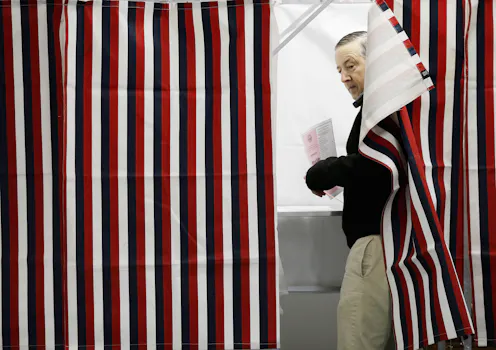
The more undemocratic tendencies of the US electoral system are growing stronger. As the midterm campaign season enters its final stage, it turns out that some votes count more than others.
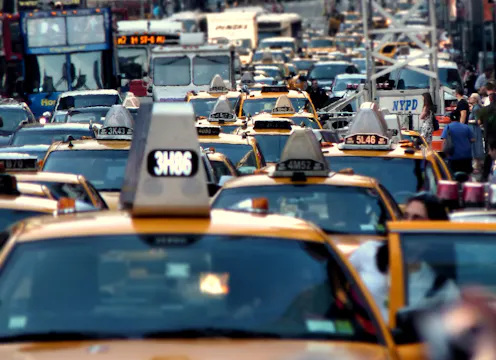
New York soon may charge a fee to drive into central Manhattan as a way of reducing traffic and raising funds for public transit. An urban scholar says this step is overdue in the United States.
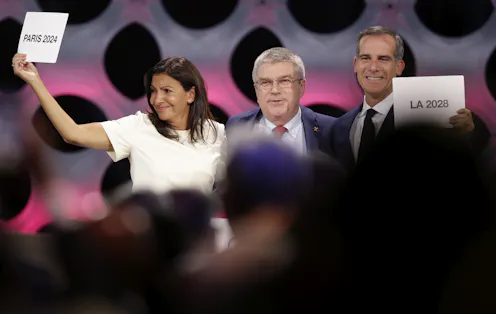
The benefits of hosting the Olympics are so slim, or nonexistent, that fewer cities are bidding to host the games. That’s a sign of serious trouble.
Contact John for
- General
- Media request
- Speaking request
- Consulting / Advising
- Research collaboration
What is this? Become a friend.
- Location: Washington, DC, U.S.
- Website
- X (formerly Twitter): @johnrennieshort
- Article Feed
- ORCID
- Joined
