

Surveys may overestimate belief in conspiracy theories because of trolls and jokers – but genuine believers can still cause real-world harm.
- Senior Research Fellow, Department of Public Health, University of Otago

Even if there’s no acute crisis of trust in science, we shouldn’t minimise the disproportionate impact vocal minorities who distrust science may have on policy and society.
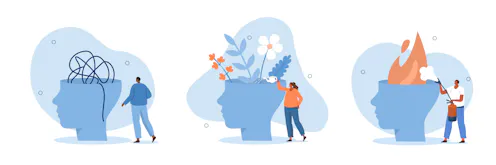
Unmet psychological needs can drive people toward conspiracy belief, but this can start a self-reinforcing cycle which further erodes the need and creates more mistrust and disconnection.
New Zealand’s news avoidance rates are higher than in any other surveyed country. Mood, political orientation and perceptions of sensationalism or bias all play a role.
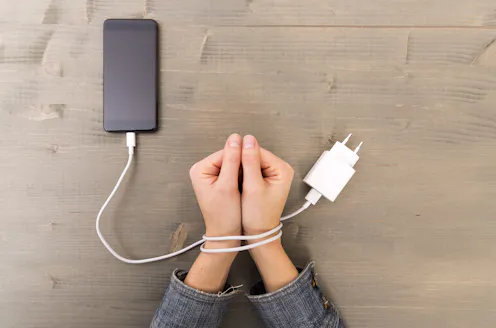
A new study reveals just how digitally dependent most New Zealanders are now. Disconnecting requires conscious effort – and it could even cost you money.
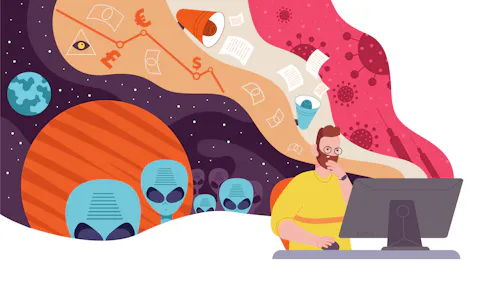
Um novo estudo não encontrou evidências de que as crenças das pessoas em teorias da conspiração aumentam com o tempo
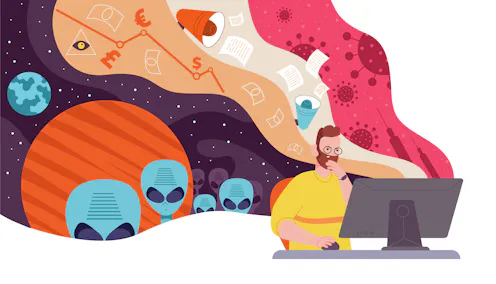
A new study has found no evidence that people’s beliefs in conspiracy theories increase over time. They can even change their minds – just not that often.

At least half of Australians and New Zealanders in a recent study believed in one major conspiracy theory.
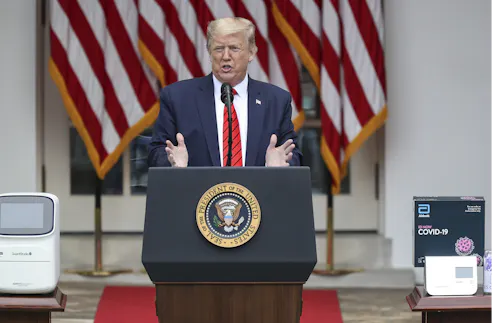
A new survey shows 67% of Democrats report wearing face masks, compared to 55% of Republicans.
Contact John for
- General
- Speaking request
- Consulting / Advising
- Research collaboration
- Research supervision
- Location: Wellington, New Zealand
- Website
- X (formerly Twitter): @SciComGuy
- Article Feed
- ORCID
- Joined
