

Governments of the past 20 years really are less prepared to take difficult decisions than the governments before them.
- Professiorial Fellow, The University of Melbourne

Even in places that are now COVID-free spending remains subdued, and different.
Victoria and NSW have demonstrated that a severe and relatively short shutdown is still possible.

Although unpleasant, stopping almost everything for eight to twelve weeks might be the best way to bounce back qucikly.
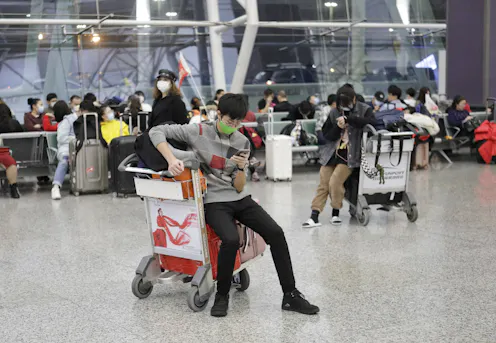
The University of Sydney took in about A$750 million from international students in 2017. Two-thirds of that – about $500 million – came from international students from China.
An old political maxim is to ‘never waste a crisis’, but sometimes a crisis isn’t enough.

You can’t help first home buyers without making other buyers worse off.
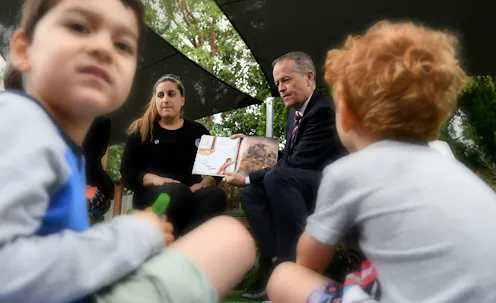
Labor’s childcare policy would do more for the economy than either side’s proposed tax cuts.

The next government can make its own luck, but it needs to focus on what matters and ignore the rest.
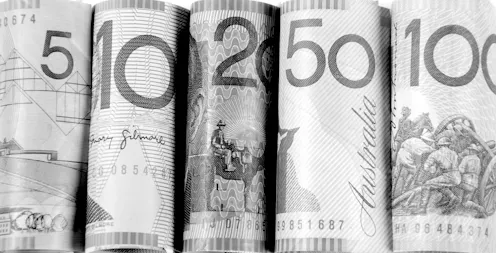
Compelling Australians to put even more into super runs the risk of giving them a better standard of living in retirement than they had while working.
The Grattan Institute says swapping stamp duty for land tax would make Australians up to $17 billion a year better off.
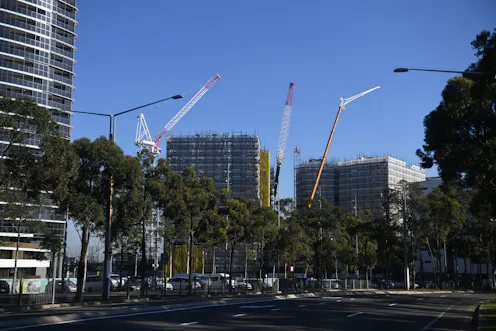
Governments should stop offering false hopes and pandering to NIMBY pressures. As well as increased public and private housing supply, growing cities need well-designed higher-density development.
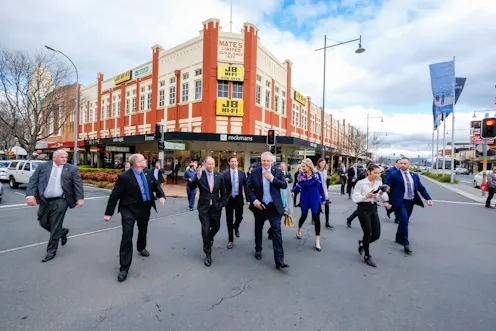
Efforts by governments to redirect population growth to regional Australia have never worked. Even if such policies could be made to work, they probably wouldn’t be worth the costs.
Ahead of two state elections, the Grattan Institute Orange Book examines the state of each state and how each can do things better. The good news is that if each copied the best in each field they would do very well indeed.
Scrapping cash refunds on dividends could make the tax system fairer. But super funds could invest less in Australian companies.
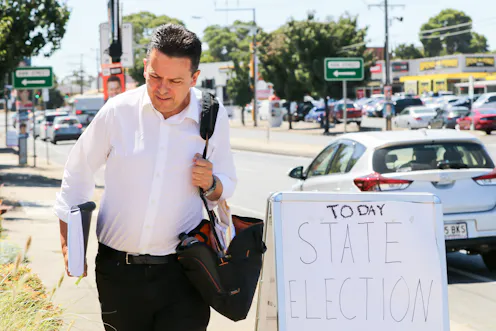
The minor party vote in Australia is historically high and growing, as trust in the bigger parties slides away.
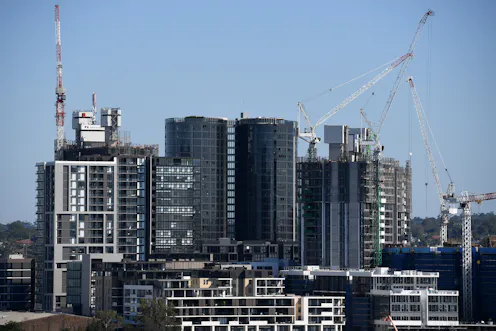
Zoning restrictions added A$489,000 to the price of a detached house in Sydney, A$324,000 in Melbourne, A$159,000 in Brisbane, and A$206,000 in Perth.
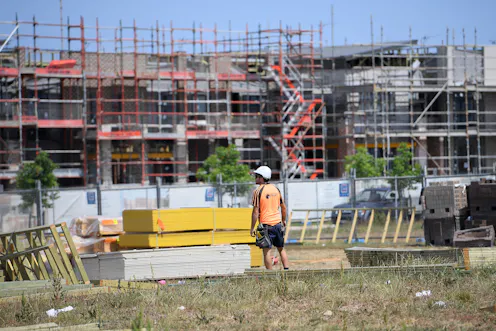
Australian governments are faced with a choice: make the difficult decisions to fix planning systems so more houses can be built, or tap the brakes on Australia’s migrant intake.
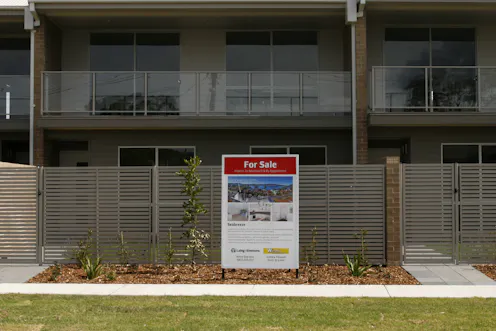
Rising housing costs are hurting low-income Australians the most. The gap in home ownership between rich and poor is widening, house prices are rising fastest at the bottom and rental stress is rising.
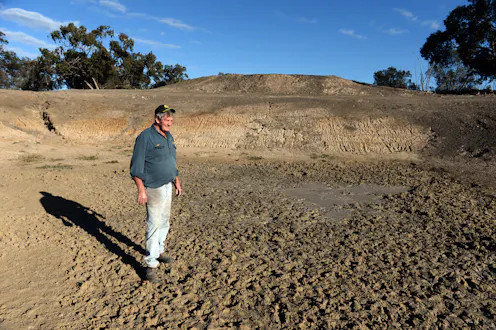
New research released today by the Grattan Institute shows that income growth and unemployment rates are not obviously worse in regional areas.

When people do downsize, financial incentives are generally not the big things on their minds. And so most of the budget’s financial incentives will go to those who were going to downsize anyway.
Wonky forecasts show it’s time for a new approach that adopts more conservative forecasts, and makes a genuine commitment to budget repair.
Data for 2014-15 from the Australian Taxation Office shows inequality is growing in a number of areas.
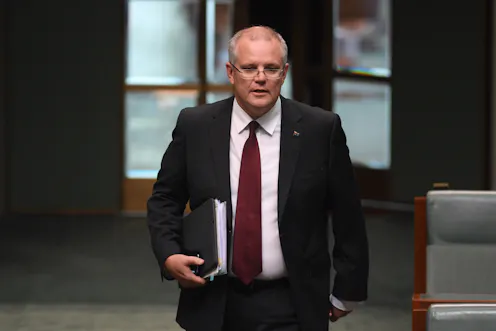
The latest thought bubbles about using super savings for housing might be less harmful than in the past, but they would be just as ineffective.
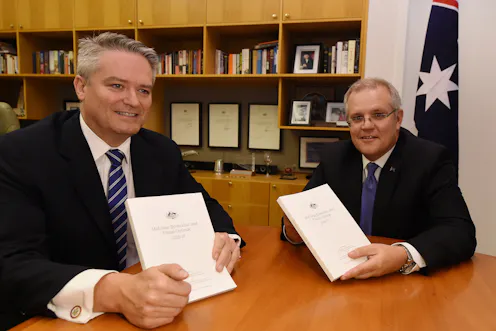
While MYEFO discussion focuses on the budget deficit, experts say it also serves as a stark reminder of the need for bigger policy ideas in Canberra.
Contact John for
- General
- Media request
- Speaking request
- Consulting / Advising
- Location: Melbourne, Australia
- Website
- X (formerly Twitter): @JohnDaley_
- Article Feed
- Joined
