
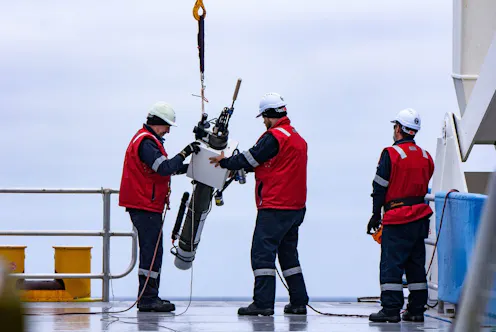
A new analysis, using 15 years of autonomous underwater measurements and simulations from the latest global climate models, refined our estimate of future ocean warming and sea level rise.
- Chair Professor, Climate Change Research Centre, UNSW
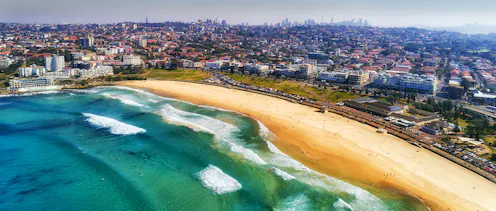
A new study has reported the world will lose almost half of its valuable sandy beaches by 2100 as sea levels rise. But cutting our emissions could keep some intact.
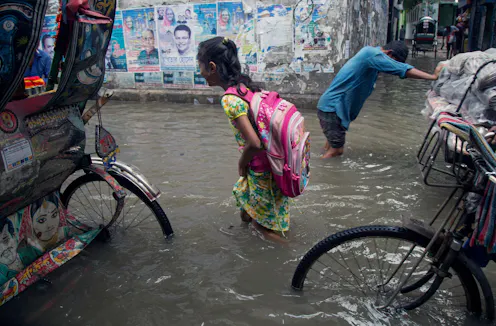
In 2017 18.8 million people were displaced by natural disasters, with floods accounting for 8.6 million. Climate change is poised to drive those numbers higher still.

Greenland’s ice is largely responsible for the accelerating pace of sea-level rise. A new analysis shows that, while Greenland accounted for just 5% of the rise in 1993, that figure rose to 25% by 2014.
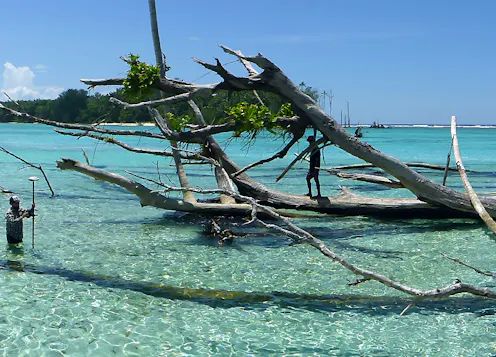
Sea levels are rising faster in the Solomon Islands – and send a warning for the rest of the world.
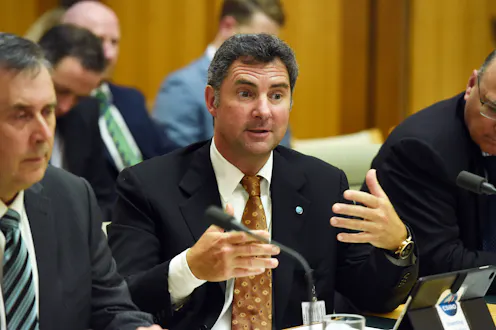
The CSIRO will create a new climate research centre in Hobart with 40 climate scientists.
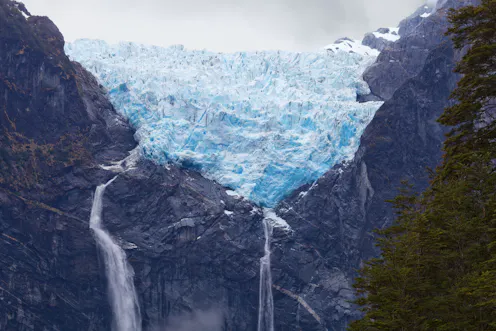
Global average sea level has risen by about 17 cm between 1900 and 2005, but we didn’t know how much of that was due to us, until now.
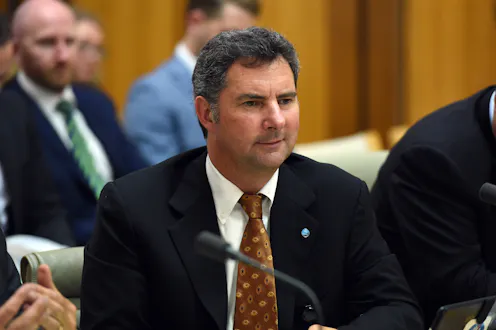
A proposal for the Bureau of Meteorology to take on CSIRO climate scientists is a good idea - but CSIRO needs to make sure nothing is lost.
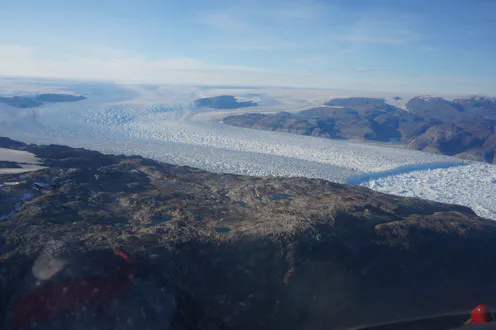
Could sea levels really rise by several metres this century. Probably not, although this century’s greenhouse emissions could potentially set the stage for large rises in centuries to come.
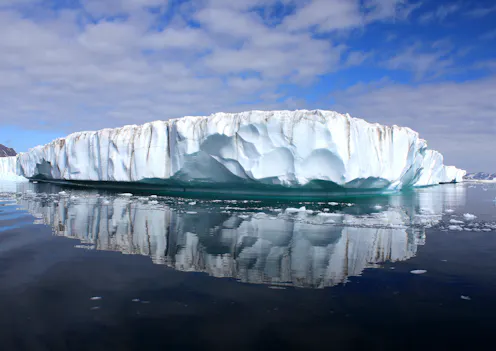
The Paris agreement has given us some solid targets to aim for in terms of limiting global warming. But that in turn begs a whole range of new scientific questions.
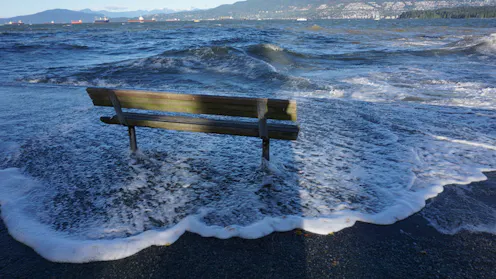
Since 1993, satellites have been used as well as tidal gauges to monitor sea level. A new calibration of this satellite record now shows that the rise in sea level is gathering pace.
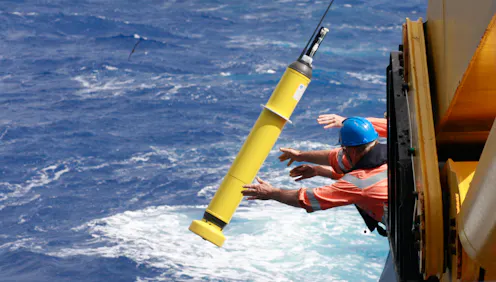
The oceans are continuing to warm steadily despite an apparent slowdown in global warming at the earth’s surface, according to data collected by thousands of floating robots published today in Nature Climate…
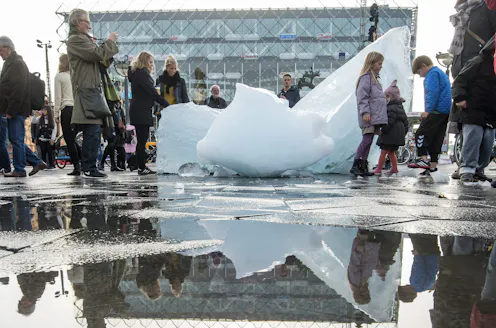
Members of the Intergovernmental Panel on Climate Change (IPCC) say they are confident their latest report, released in Copenhagen today, will help give politicians the impetus to commit to the deep emissions…
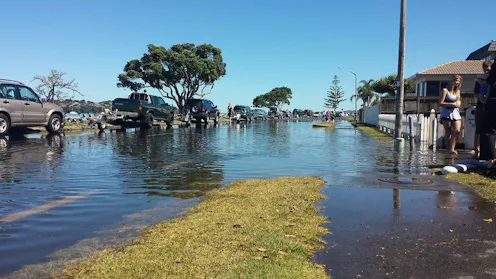
Human activity is driving sea levels higher. Australia’s seas are likely to rise by around 70 centimetres by 2100 if nothing is done to combat climate change. But 2100 can seem a long way off. At the moment…
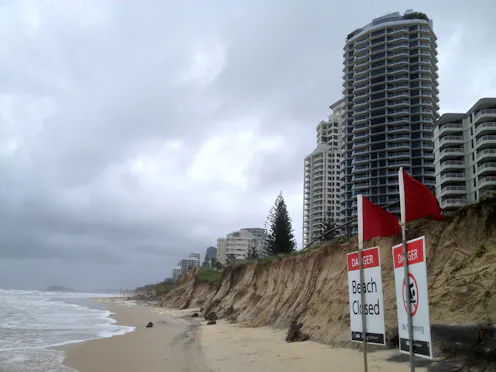
As the science on the coastal impacts of climate change gets stronger, the protections for Australia’s coastal communities are getting weaker. If that continues, everyone will pay. Along the eastern seaboard…

Changes in solar radiation, known as solar forcing, have had only a very small effect on climate change, a member of the UN’s top panel of climate scientists said today. The comment, made by a member of…
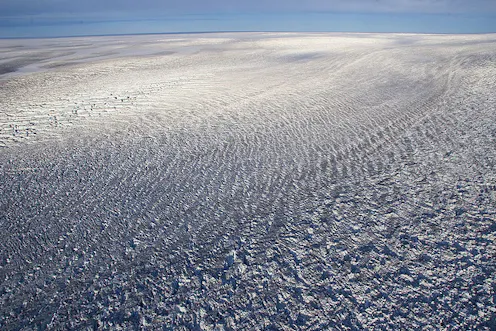
Satellite and in situ observations show sea level is continuing to rise. In the last Intergovernmental Panel on Climate Change report, earth system model projections indicated global sea-level rise by…
Contact John for
- General
- Media request
- Speaking request
- Consulting / Advising
- Research collaboration
- Research supervision
- Location: Hobart, Austra;ia
- X (formerly Twitter): @johnchurchocean
- Article Feed
- ORCID
- Joined
