

Even after the new rises, Australia’s lowest paid employees will still have less buying power when they go to the shops than five years ago.
- Professor in Working Life, Discipline of Business Information Systems, University of Sydney Business School, University of Sydney

In some industries, the four-day work week may be appropriate, in others it may not. Dismissing it out of hand ignores bigger long-term questions about fairness.

Even with this increase, Australia’s lowest paid employees will not be earning as much in real terms as they did before the inflationary surge of 2021-2022.

The deal announced by the government will hold fee increases to 4.4% while lifting wages in an industry that can’t attract enough workers.

In recent decades the institutions shaping wages have been transformed. Employers today enjoy far greater bargaining power.

Dental assistants, community services workers, pharmacists and psychologists are in line for biggger increases down the track.
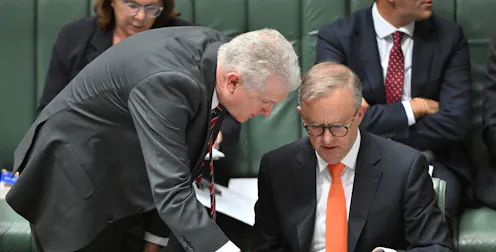
There is effectively a class of Australian workers who don’t get holiday and sick pay, no matter how long or regularly they work, simply because their employer deemed them “casual” when they began.

Mental wealth – the social and economic value of mental health – is the one big item missing from the agenda at the jobs summit.

The Fair Work Commission has granted a pay increase to Australia’s lowest-paid workers for a good reason. Even with rising inflation, the economy is strong.

The Fair Work Commission has shown it can still provide important economic leadership.

Out of the crises of the 1890s and 1940s Australia created quality, enduring legacies in post-school education. We now have a chance to upgrade these legacies to aid economic and social renewal.

Austraila’s minimum wages now operate in relative isolation. Until the 1990s they were part of an inter-connected system.

Employer groups are calling for a cut in real wages for low paid workers, but this would only exacerbate current problems.

Echoes of WorkChoices? The Coalition is keen to avoid any whiff of the failed policy, but some of the Productivity Commission’s recommendations have a strong flavour of it.
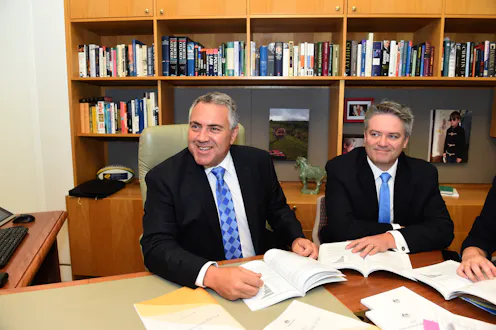
Experts question where the jobs for older Australians will come from.

Last week Australia’s Fair Work Commission increased the national minimum wage to A$16.87 an hour from 1 July, 2014. The usual suspects rolled out the usual arguments denouncing this initiative, and Treasurer…
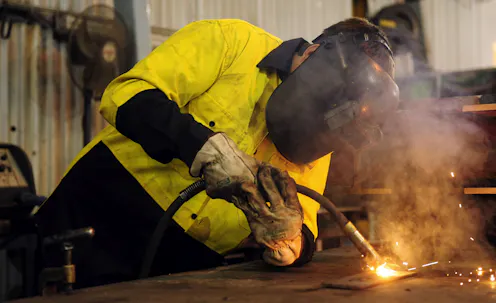
“The previous government oversaw changes to apprenticeship policy and cuts in employer incentives that led to huge drops in the numbers of young people starting an apprenticeship.” - Australian Chamber…
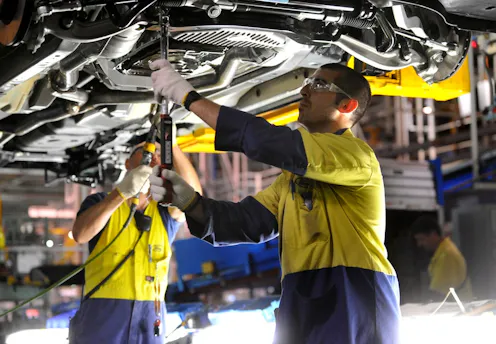
As the Commissioners of the Fair Work Act Review work their way through the mountain of submissions, one of the most critical aspects they will be called on to consider is the relationship between labour…
Contact John for
- General
- Media request
- Speaking request
- Consulting / Advising
- Research collaboration
- Research supervision
- Article Feed
- Joined
