
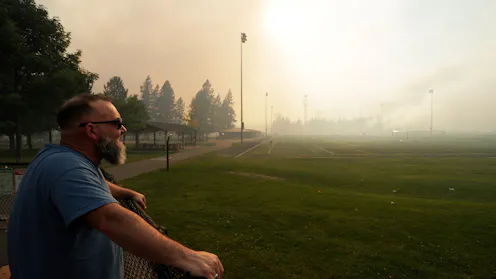
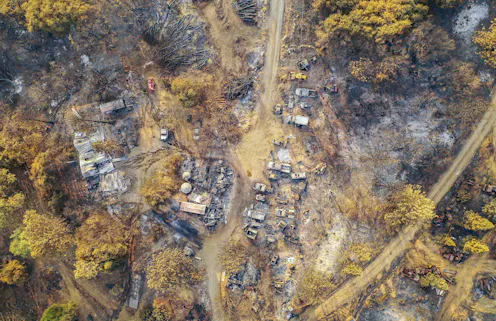
Extreme fire conditions converged in suburban neighborhoods built into the forests, shrubland and grasslands and quickly spread.
- Professor of Engineering, University of California, Merced
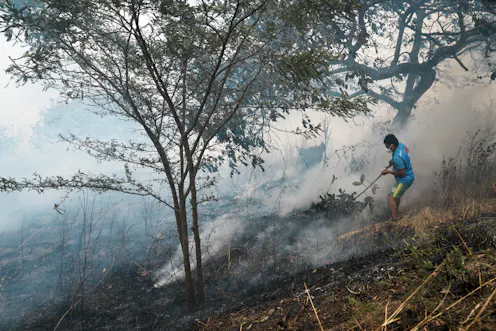
Even though you may mostly hear about fires in the US, Canada, Europe and Australia, it’s Africa that has far and away the most acreage burned and people exposed to fire.
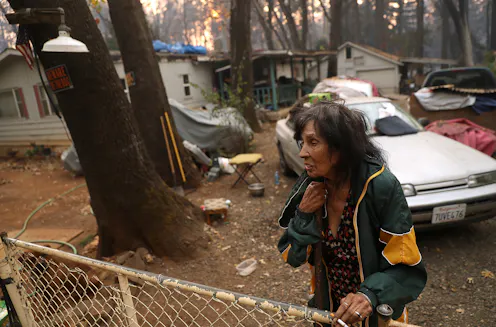
Alarmingly, about half the people exposed to wildfires in Washington and Oregon were those least able to afford to protect their homes, evacuate safely and recover.
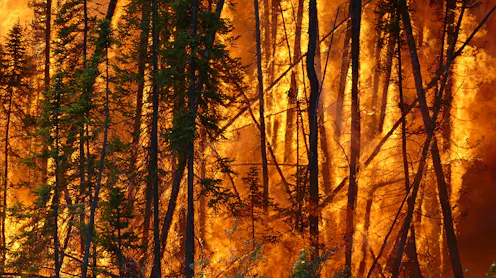
La duración de la temporada de incendios ha aumentado en casi todas las regiones del mundo.
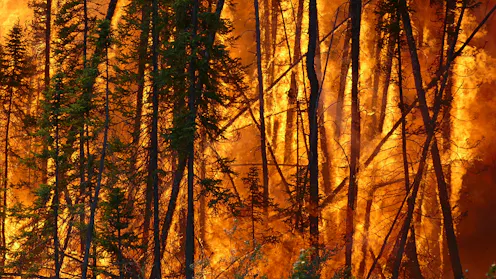
Fire weather reason – when wildfires are most likely to strike – has expanded almost everywhere.
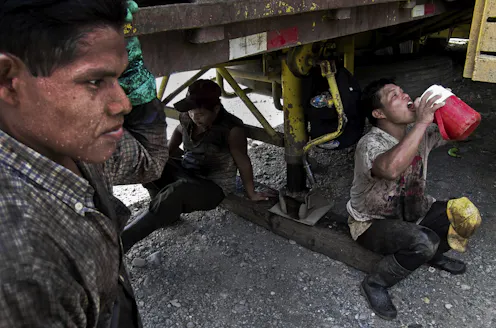
The risk from heat waves is about more than intensity – being able to cool off is essential, and that’s hard to find in many low-income areas of the world.
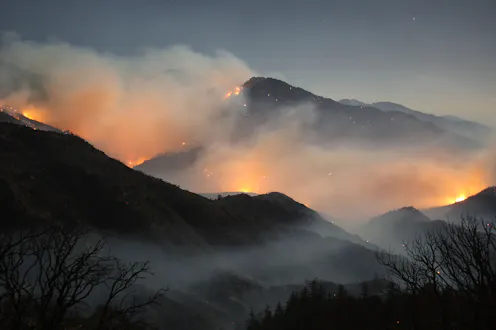
As the risk of fires rises in areas once considered too wet to burn, it creates hazards for mountain communities and for downstream water supplies.
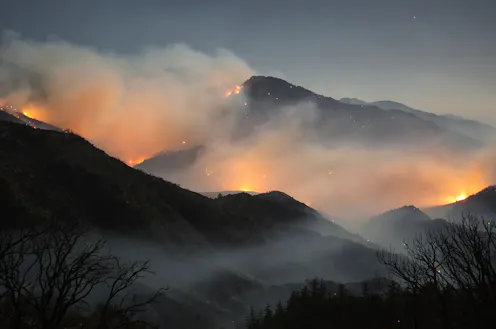
As the risk of fires rises in areas once considered too wet to burn, it creates hazards for mountain communities and for downstream water supplies.
Drought conditions are so bad, fish hatcheries are trucking their salmon to the ocean and ranchers are worried about having enough water for their livestock.
Contact John for
- General
- Media request
- Speaking request
- Consulting / Advising
- Research collaboration
- Research supervision
- Location: Merced, California, U.S.
- Website
- X (formerly Twitter): @climate_guy
- Article Feed
- Joined
