

Before Canada decides to rely on foreign drug regulators to approve new medicines, Health Canada needs to show that it will improve public health.
- Associate professor, Department of Family and Community Medicine, University of Toronto
- Professor Emeritus of Health Policy and Management, York University, Canada
- University of Sydney

Canada has no accreditation or inspection system for research ethics boards for clinical drug trials, and no oversight mechanism for the way that they undertake reviews.

The Patented Medicine Prices Review Board’s mandate is to make sure that drug prices are not excessive. However, new guidelines that change criteria for assessing prices may lead to higher prices.

U.S. tariffs present not only a risk of Canadian job losses — and loss of access to employer-sponsored drug plans — but also the risk of higher prescription drug prices.

Patient advocacy groups are often funded through pharmaceutical companies, but there are currently no regulations governing disclosure of this potential conflict of interest.

We can’t rely on rich countries to donate mpox vaccines. Here’s what we need to do instead.

Direct advertising of branded prescription drugs can lead patients to seek unnecessary medicines and treatments. Repealing the current law could help prevent this, and reduce health spending.

If you want to know more about a drug, Health Canada provides information online through several websites. However, some information appears to be getting harder to find.

Canada has a lack of transparency about Big Pharma’s payments to health-care providers and organizations. Disclosure is voluntary, and there’s no central data on even the few companies that do report.

Pharmaceutical and insurance industries that could lose profit through lower drug prices are not happy that a pharmacare bill is planned for fall. They are speaking out and mobilizing their allies.

Canadians pay very high drug costs, but Canada also does not receive the same economic benefits from pharmaceutical industry investments as other countries do.

Health Canada continues to monitor newly approved drugs to determine if the benefits identified in the pre-market trials hold up to further scrutiny. Canadians need better access to that information.

As negotiations for an international pandemic treaty get underway, public engagement is in the best interests of Canadians. Here is how the federal government is consulting affected populations.

The pharma industry claims lower prescription drug prices will mean less access to new medication for Canadians. It’s an old threat that pits profits against patients’ rights to affordable drugs.
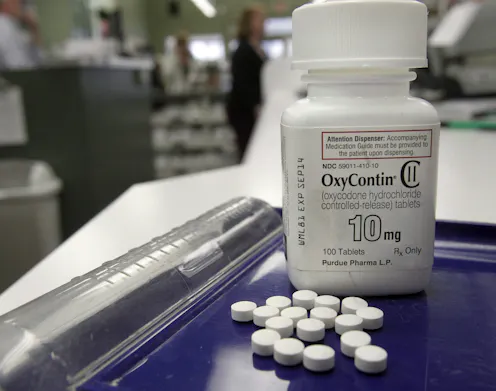
The Purdue Pharma settlement is paltry compared to costs of the opioid crisis. Without major changes to pharma industry regulation, there is little reason to think a similar crisis won’t occur again.

Voluntary medical societies have important roles in professional education and advocacy for doctors and patients, but there is need for transparency about relationships with pharma and health industry.

Changes to Canada’s Patented Medicine Prices Review Board regulations have been postponed for a fourth time in two years as Canadians continue to pay some of the highest drug prices in the world.

Generic drug names are often long, but they can tell doctors what type of medicine it is and how it works. But it’s brand names that appear first and most prominently in Health Canada materials.

When drugs are taken off the market because they are either unsafe or don’t work, do pharma companies admit that there are problems? Or do they deny the evidence?

FDA approval of aducanumab (Aduhelm) was contentious. Its submission to Health Canada for approval highlights concerns about evidence, independence and transparency in Canada’s drug approval process.
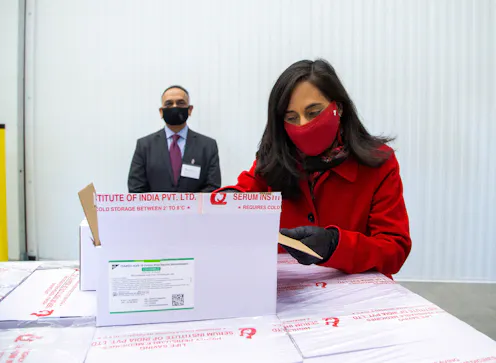
Despite some public virtue signalling, the Canadian government is not doing all it can to improve global access to COVID-19 vaccines. Canada has yet to announce its position on the WTO patent waiver.

Derrière l’actuelle pénurie de vaccins contre la Covid-19 au Canada, on retrouve plusieurs décennies d’avertissements laissés sans suite, d’opportunités manquées et de ressources démantelées.

Behind Canada’s current COVID-19 vaccine shortage is a decades-long tale of unheeded warnings, missed opportunities and dismantled resources that was never going to end well.

We should applaud drug companies for developing COVID-19 vaccines in record time, but let’s not be under any illusion about the profits that are motivating them.

Australia is still aiming to start vaccinating high-risk groups from March. Why the delay?
Contact Joel for
- General
- Media request
- Speaking request
- Consulting / Advising
- Research collaboration
- Research supervision
- Location: Toronto, Canada
- Article Feed
- ORCID
- Joined


