

Smartphones, tablets and computers are increasingly expanding the availability of health services. This means we can access help anonymous at a time and place that suits us.
- Research Fellow / Health Psychologist, Swinburne University of Technology

The relationship between insomnia and mental illness is bidirectional: about 50% of adults with insomnia have a mental health problem; up to 90% of adults with depression have sleep problems.
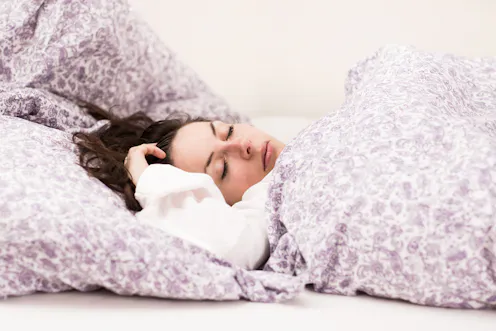
Sleep allows many of our hormones to replenish so we have the optimal energy, immunity, appetite and coping ability to face the day’s highs and lows.
By learning to become more aware of present-moment experiences, we learn not to react to thoughts and worries that can interfere with sleep.

We all have a poor night’s sleep from time to time: those nights when you lie awake for hours trying desperately to go to sleep but can’t stop worrying about tomorrow. Or when you repeatedly wake up throughout…
Contact Jo for
- General
- Media request
- Speaking request
- Consulting / Advising
- Research collaboration
- Research supervision
- Article Feed
- Joined
