

Reform is needed to better balance the protection of men’s individual reputations with the rights of women to speak about their experiences.
- Senior Lecturer, The University of Melbourne
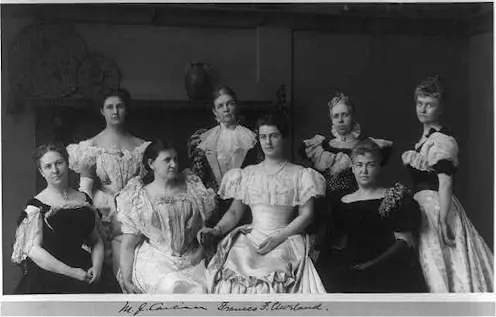
Deepfake technology is a new concern. But since the beginning of photography, men have been taking and sexually exploiting women’s images without their consent.

In 1886, a Victorian judge deplored the disregard given to women’s rights in cases of sexual slander. Today, women are still fighting to protect their reputations and tell their stories.

The Productivity Commission’s report on data availability and use is disappointing for consumers, who won’t be able to stop firms collecting their data or challenge automated decisions made using it.

On Q&A, panellist Faustina Agolley questioned whether there were laws protecting against revenge porn in Australia. As it turns out, it all depends on where you live.

The internet, smartphones and social media mean that extensive sharing of private images without consent is far easier than in the past. And the severity of the harm victims suffer is far greater.
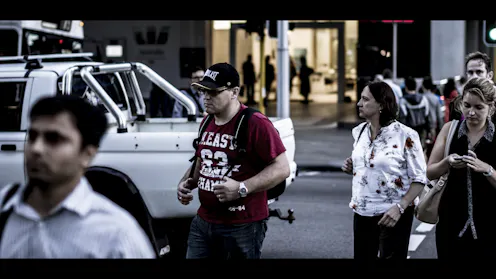
In Brisbane, at one of the city’s main intersections, a local photographer gets into position to take snaps of the city’s passing parade. In photographing people who make their way along city streets…
