
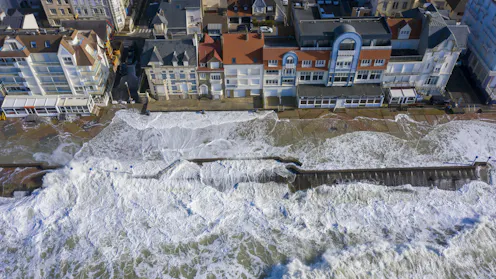
When groundwater reservoirs are replenished, the ground above rises. But the uplift is patchy because earthquake faults act like underground dams, channelling water.
- Research Fellow in Earth Science, Te Herenga Waka — Victoria University of Wellington

A new study uncovers a hidden pattern of ground motions at the end of big earthquakes that could help scientists and planners identify likely danger zones.
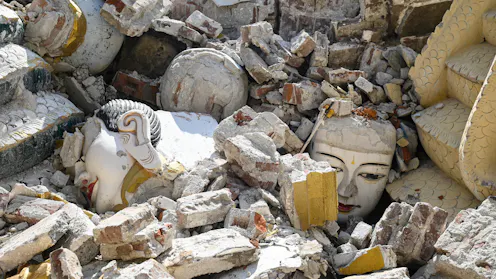
Earthquake scientists rely on distant seismic instruments to infer how faults rupture during large earthquakes. This video provides the first direct evidence.
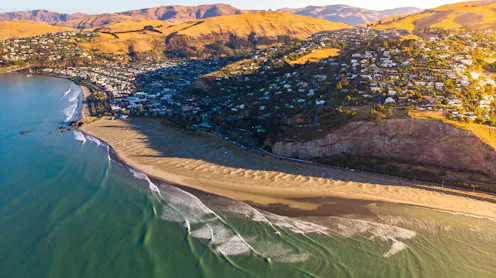
Calculating the dual effect of rising seas and sinking land gives coastal communities a more accurate projection of the impacts of sea-level rise.

New research shows the last big earthquake on the Alpine Fault ran from south to north. With a 75% chance of another rupture in the next 50 years, this improves how we can forecast its impact.
Contact Jesse for
- General
- Media request
- Speaking request
- Consulting / Advising
- Research collaboration
- Research supervision
- Location: Wellington, New Zealand
- Website
- LinkedIn: jesse-kearse-373a72359
- Article Feed
- ORCID
- Joined
