
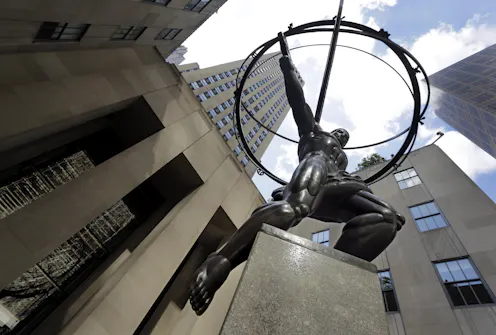
Tech companies’ use of dual-class share structures to keep control in the hands of founders and other insiders gives a handful of people power over enormous swaths of American life.
- Fellow at the Center for Advanced Study in the Behavioral Sciences at Stanford and Professor of Management and Sociology, University of Michigan
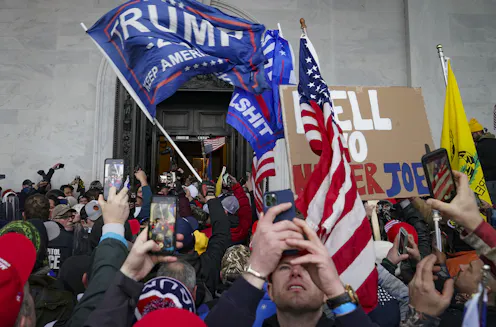
Apple, Twitter and other tech companies were able to unilaterally shut down much of Trump’s communication infrastructure. That’s a lot of power.
Apple became the world’s ‘biggest’ company because of its sky-high valuation. But in the past, the largest companies were known for more meaningful metrics such as revenue and number of employes.
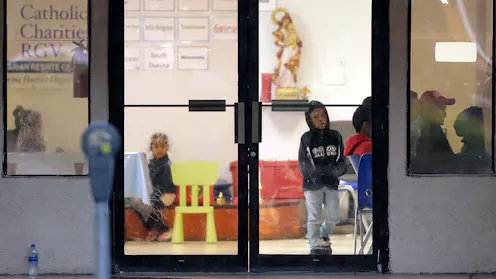
United’s CEO called the Trump policy ‘in deep conflict’ with his company’s values, the latest example of a corporate leader speaking out on a political issue, something almost unheard of a few decades ago.
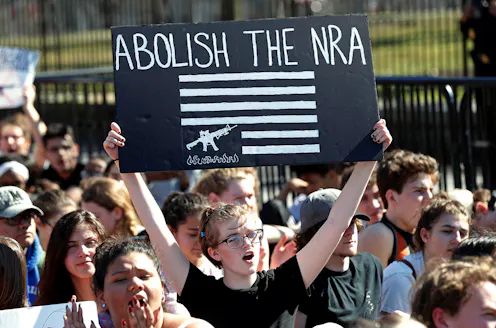
The lightning-quick corporate response to demands for a boycott against the NRA shows that companies can’t escape politics in an age saturated with social media.

CEOs used to stay steadfastly neutral on divisive social and political issues. Those days are over, meaning today’s chief executive increasingly resembles Che Guevera.
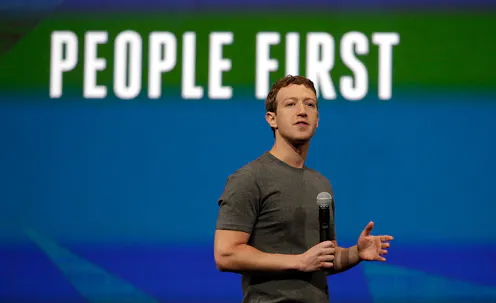
While Facebook’s Zuckerberg suggested as much recently, companies run like autocracies cannot fulfill technology’s promise of reinvigorating the democratic process.
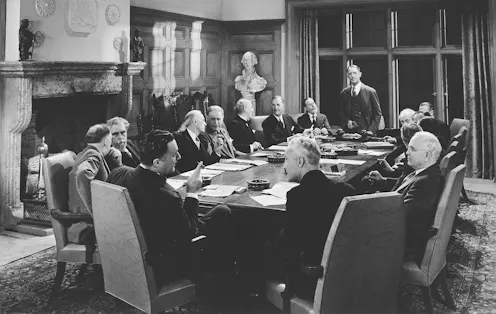
While few would bemoan its end, the club fostered strong ties among the titans of Corporate America and ensured moderate candidates and policies. Its death has led to more extremism.

Companies, which in the past tended to stay neutral on divisive social and political issues, are increasingly taking a stand. What’s behind the change?
Contact Jerry for
- General
- Media request
- Speaking request
- Consulting / Advising
- Location: Ann Arbor, Michigan, U.S.
- Website
- X (formerly Twitter): @vanishingcorp
- Article Feed
- Joined
