
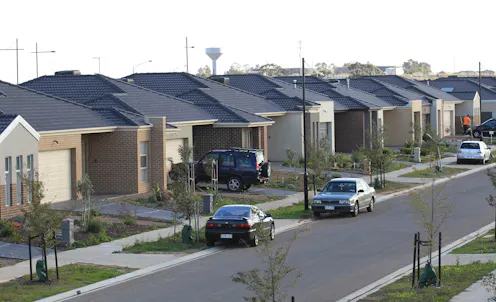
One of the most effective ways to reduce health inequalities across Australia is to design neighbourhoods that free residents from having to rely on cars for transport.
- Senior Lecturer in Public Health, Victoria University
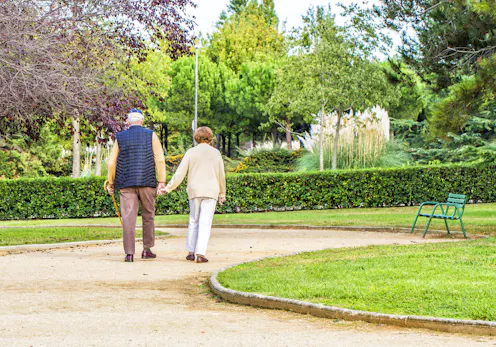
Our ageing population presents several social and economic challenges, particularly for the health sector. Physical activity can tackle many of these.
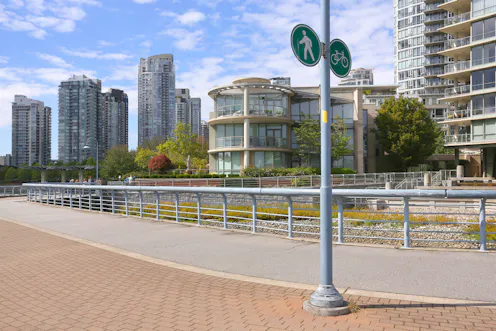
The golden rule of shared paths is that the person in the less vulnerable position should be mindful of the more vulnerable user.
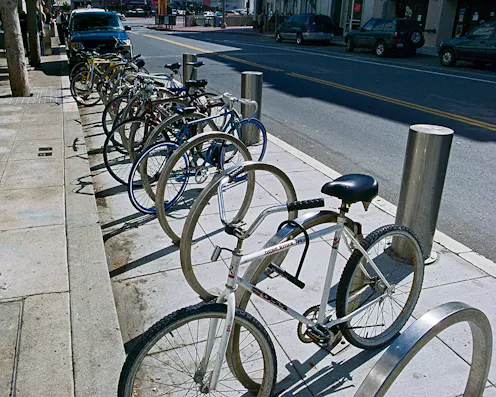
Pro-bike policies can boost local business. In one Melbourne case study, the average hourly retail spending from six bikes was $97.20 compared to $27 from one car occupying an equivalent space.
Contact Jerome for
- General
- Media request
- Consulting / Advising
- Research collaboration
- Research supervision
- Location: Melbourne Australia
- Website
- X (formerly Twitter): @jn_rachele
- Article Feed
- ORCID
- Joined
