
Banning the Chinese-owned social media platforms raises free speech concerns and could worsen the US-China trade war.
- Assistant Professor of Computer Science, North Dakota State University
Nuclear threats are serious – but officials, the media and the public keep a close eye on them. There’s less attention to the dangers of cyberattacks, which could cripple key utilities.
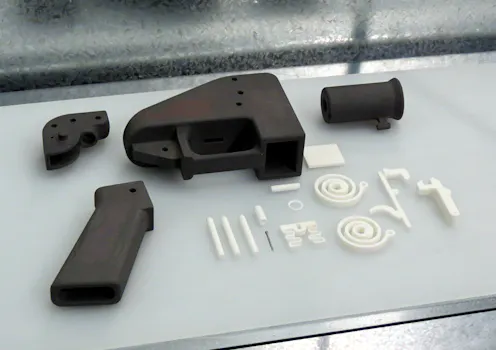
Manufacturing errors, undetected by inexpert consumers, may be more dangerous than other threats from 3D-printed guns.
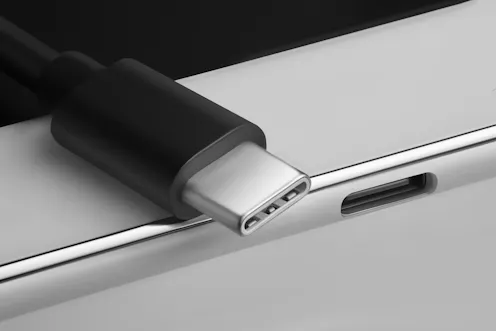
Cybercriminals may steal data from laptops and mobile phones when they are plugged in via USB ports.
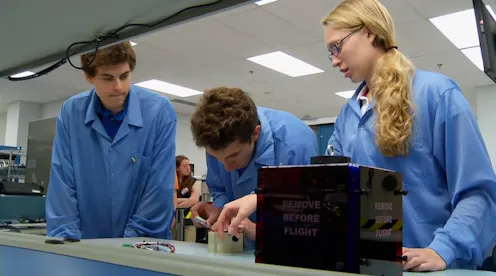
Will new communications licensing costs make small satellites so expensive that they can’t be used for student education?
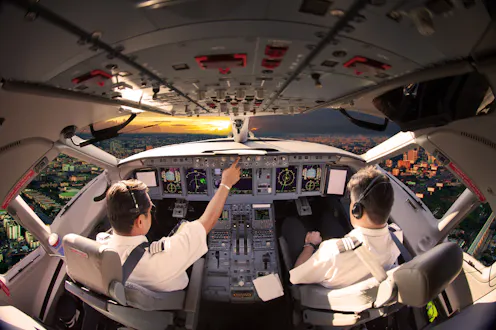
Airplanes could be safer with technology at the helm. A key sticking point is human opinion.
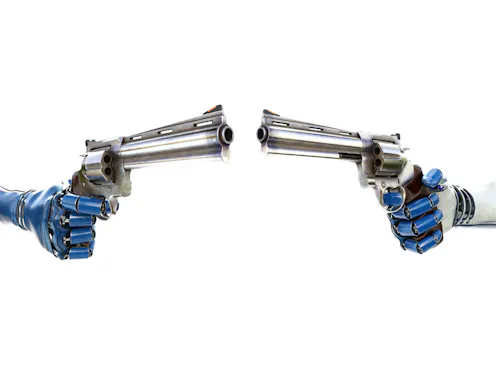
As tensions between the US and Russia escalate, both sides are developing technological capabilities, including artificial intelligence that could be used in conflict.
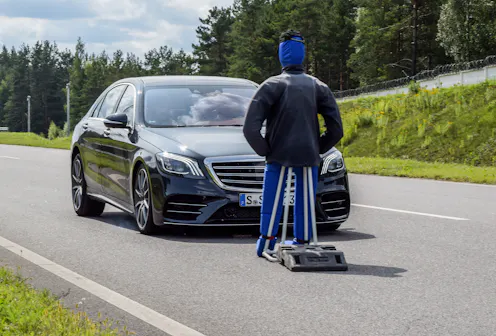
Driver aid systems and self-driving vehicle control systems could override a driver who is trying to attack people and prevent tragedy.
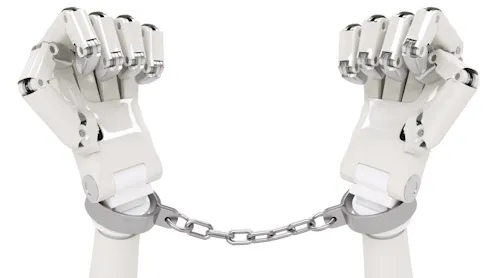
Artificial intelligence has so much beneficial potential that fears about it shouldn’t prompt new regulations. Existing rules already govern human and machine behavior.
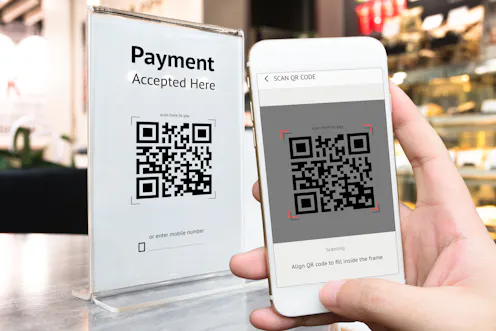
Scanning physical items constructed with nefarious intent can introduce malware into a smartphone or computer.
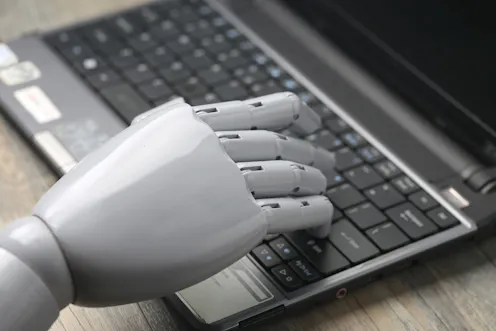
It won’t be like an army of robots marching in the streets, but AI hacking is on the horizon.
Contact Jeremy for
- General
- Media request
- Speaking request
- Consulting / Advising
- Research collaboration
- Research supervision
- Location: Fargo, North Dakota, U.S.
- Article Feed
- ORCID
- Joined
