
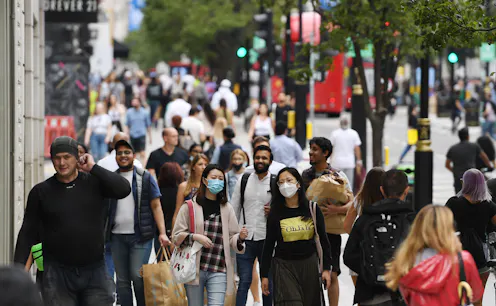
There is no evidence that COVID-19 will occur in waves.
- Honorary Senior Lecturer in Virology and President of Research-Aid Networks, University of Kent
R sigue siendo útil para la salud pública, pero no debería ser la única medida que utilicemos para comprender la transmisión del virus.

Even Sweden is still a long way off from herd immunity.
R is still useful for public health, but it should not be the only metric we use to understand virus transmission.

There is spare testing capacity. Why isn’t it being used?
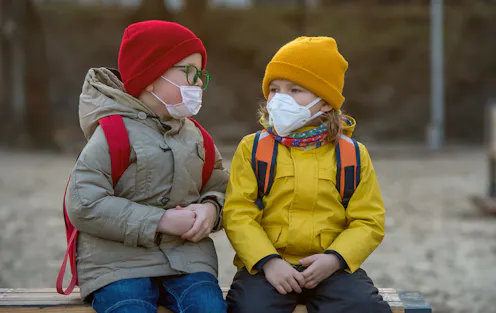
Case numbers are very low, but parents should be be alert for symptoms.

One way the novel coronavirus might enter the brain is through the olfactory nerves in the nose.

Les aînés et les hommes risquent davantage de souffrir de complications graves liées à la Covid-19. Si le système immunitaire est sans doute en jeu, la science n'a pas encore de réponses claires.

Some things about COVID-19 still don’t add up.

Only time will tell.
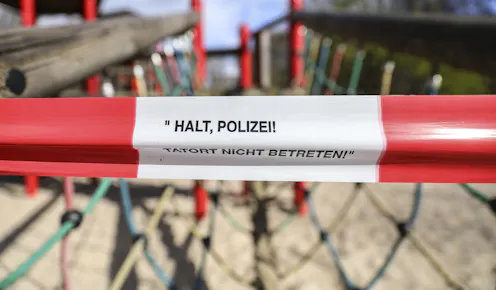
Distancing measures are not enough.
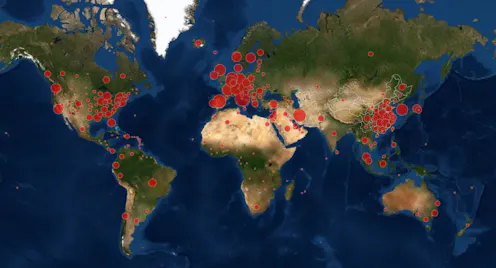
Modelling highlights the urgent need for strong interventions.
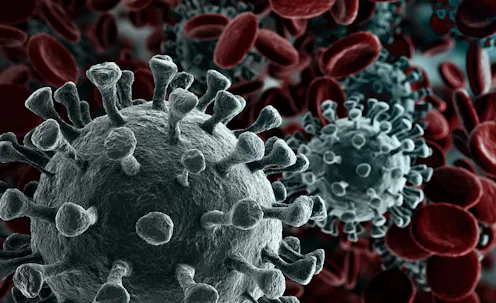
Aún no se sabe qué efecto tiene la temperatura en el coronavirus. Además, el factor estacional puede no ser relevante en una pandemia, debido a los movimientos de población y la transmisión entre los hemisferios del planeta.

Sometimes low numbers are a cause for concern.

Letting the virus ‘pass through the community’ is not a good public health strategy.

Le coronavirus sera-t-il vaincu par le retour de la chaleur du printemps? Apparemment il ne faut pas trop compter là-dessus…
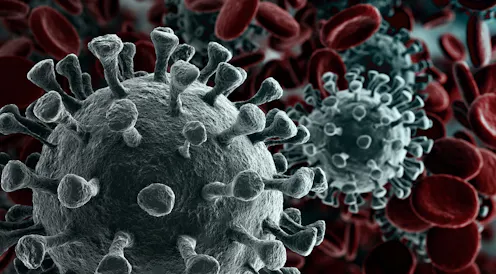
Don’t count on it, says virologist.
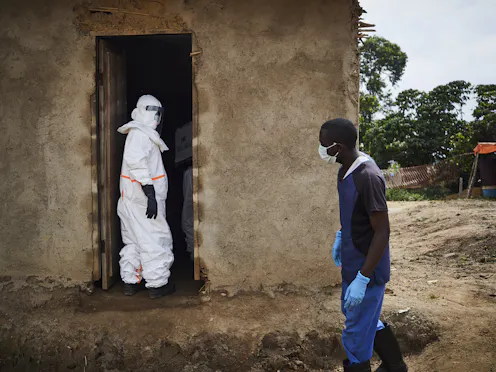
Two deadly viruses are ravaging the DRC. Why are we only hearing about one of them?

After standing in line for the latest year’s flu jab one might wonder why all this in necessary. The answer lies in the flu virus itself and its ability to rapidly evolve and avoid the human immune system…
