
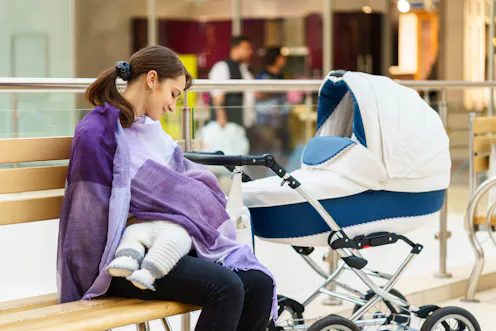
Promoting the benefits of breastfeeding isn’t enough when uncomfortable and uninviting public places deter mothers. Places that help them feel comfortable breastfeeding have several key features.
- Urban Designer and Sessional Lecturer, La Trobe University

If the menu of potential activities that do us good is made to look uninviting or challenging, we are more likely to choose the easier but less healthy option.
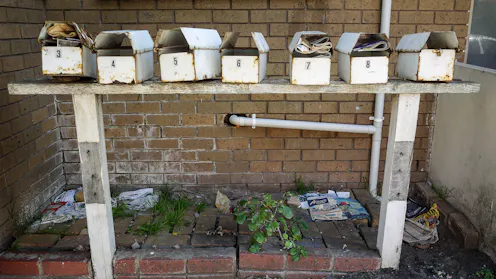
We wear our surroundings like a cloak. Lower-income communities often live in environments that discourage healthy, outdoor activities. This perpetuates their poorer health and traps them in poverty.
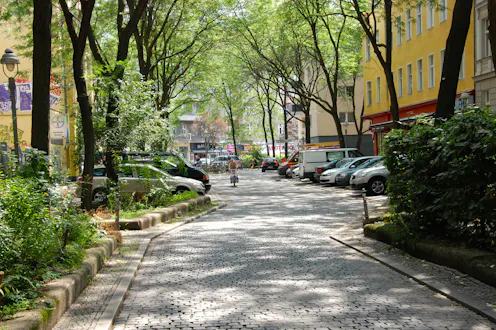
All around us, the places we inhabit send us physical and visual cues that influence our behaviour. Good design can tilt the balance so our surroundings help us act in ways that fulfil our needs.
Contact Jenny for
- General
- Media request
- Speaking request
- Consulting / Advising
- Research collaboration
- Research supervision
- Location: Melbourne, Australia
- Article Feed
- Joined
