
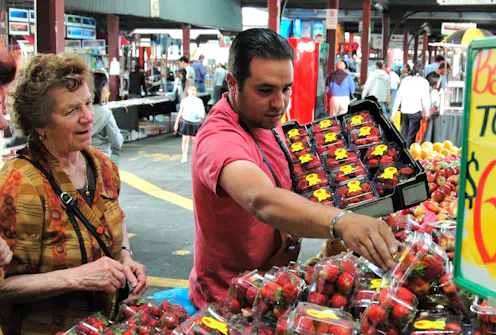
City fringe foodbowls supply much of our fresh produce and can increase climate resilience by making better use of wastewater and organic waste. A new roadmap outlines how to protect these foodbowls.
- Researcher in sustainable food systems, The University of Melbourne
To improve access to locally grown food and help prevent disruptions to supply chains caused by climate change, we need to support farming on the fringes of cities.
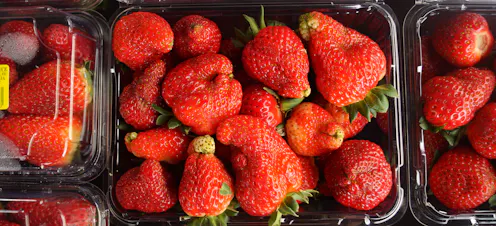
Australia’s city foodbowls are an important part of the nation’s food supply, but they’re under increasing pressure from growing populations.

Feeding Melbourne generates over 900,000 tonnes of edible food waste every year, enough to feed more than 2 million people.

Australians eat a lot of water. Nearly 500 L is required to produce the food each of us eats every day.
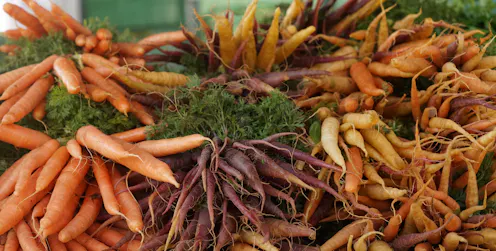
Australians may need to get used to coping with more disruptions to their food supply and rising food prices in a warming climate.

Melbourne’s farms currently supply over 40% of the city’s food. But a growing population and urban sprawl mean by 2050 they’ll supply half as much.
Contact Jennifer for
- General
- Media request
- Speaking request
- Consulting / Advising
- Research collaboration
- Location: Melbourne, Australia
- Website
- X (formerly Twitter): @JenSheridan
- Article Feed
- ORCID
- Joined
