
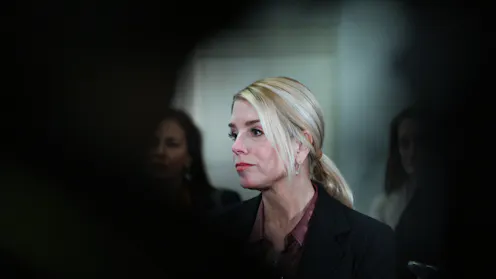
The combined political and legal roles and responsibilities of the US attorney general can create conflicts. Some attorneys general yielded to political pressure from the president – many did not.
- Associate Professor of Law, Arizona State University
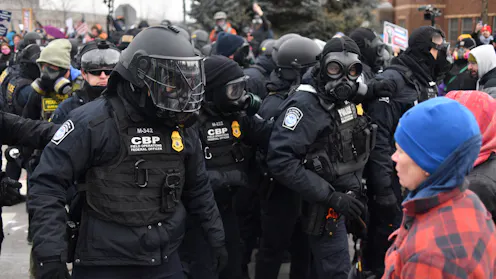
Can the president use the Insurrection Act and send the military into U.S. cities? A web of legal provisions try to balance presidential power with the power of state leaders.
House speakers have had the power to determine when the oath is administered, and courts have been reluctant to weigh in on that influence.
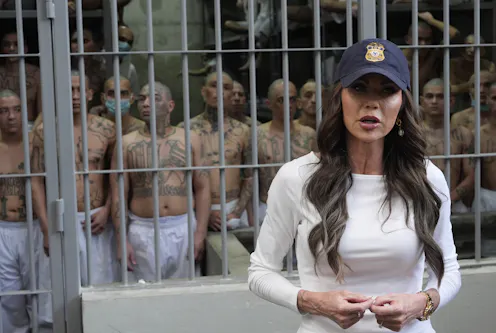
A scholar explains why the Trump administration’s actions may violate the constitution.
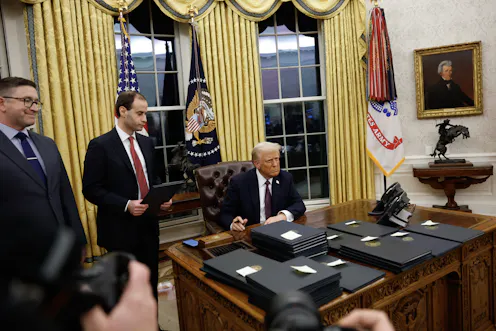
He wants to change government and the role it plays in a big way. Congress might make that hard.
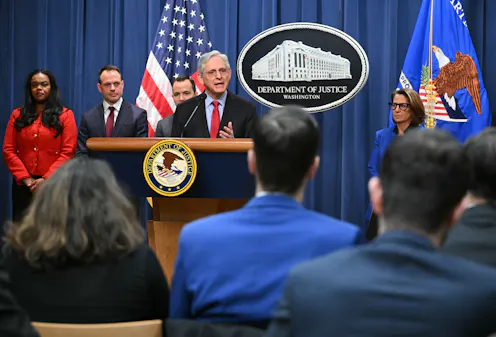
The combined political and legal roles and responsibilities of the US attorney general can create conflicts. Some attorneys general yielded to political pressure from the president – many did not.
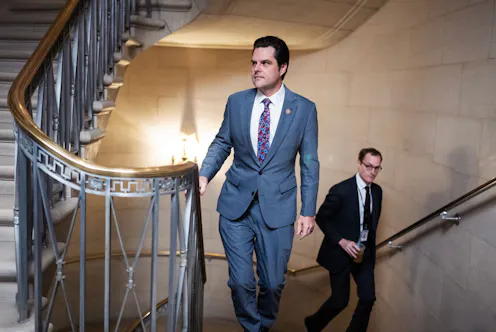
Senators have the power to approve or reject a president’s cabinet nominees. A loophole allows presidents to do an end run around the Senate – but Senate leaders have to agree to it.
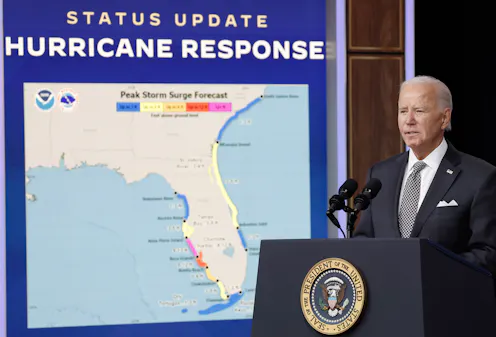
Disaster relief requires cooperative, healthy relationships between the president, federal agencies and state, local and tribal governments. But with politicians in the mix, trouble can happen.
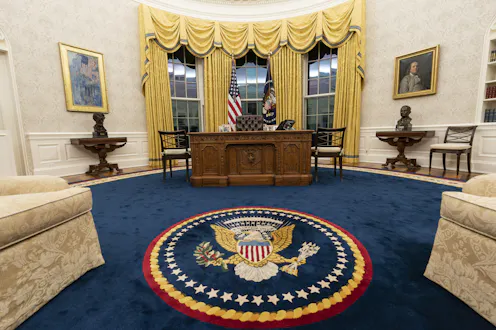
In a landmark 2024 case, the Supreme Court ruled that presidents are immune from prosecution when they exercise their core constitutional powers. So who decides what actions are not immune?
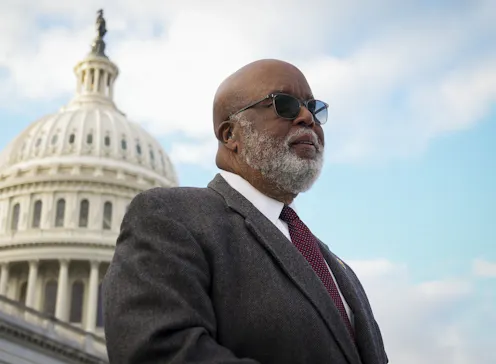
The US select congressional committee investigating the Jan. 6, 2021, riot at the Capitol has wrapped up its nearly two-year probe of that day’s violent but unsuccessful insurrection.
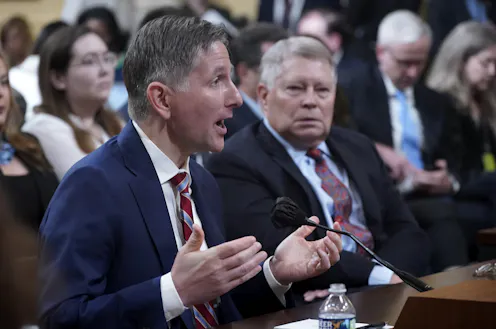
Coverage of the House Jan. 6 hearings focuses on what went wrong that led up to Trump supporters’ laying siege to the US Capitol. A government scholar looks at what went right, both then and now.
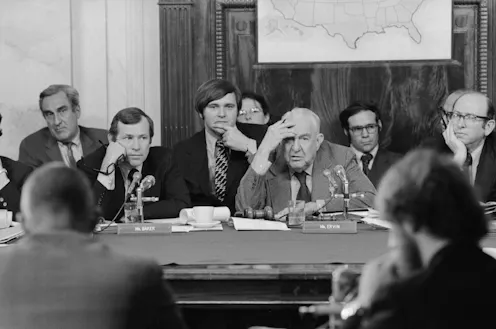
The public hearings of the House Jan. 6 investigative committee will deal with unprecedented events in American history, but the very investigation of these events has strong precedent.
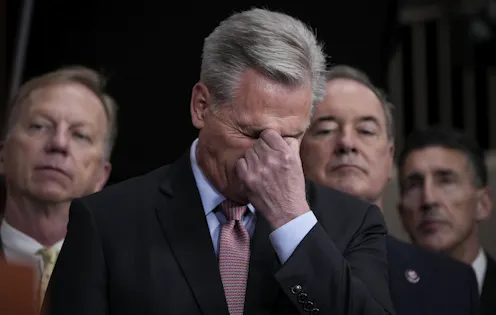
Framers of the Constitution put in a clause giving lawmakers immunity from liability for any ‘speech or debate.’ Interpreting it may be key in the battle to get some Republicans to testify.
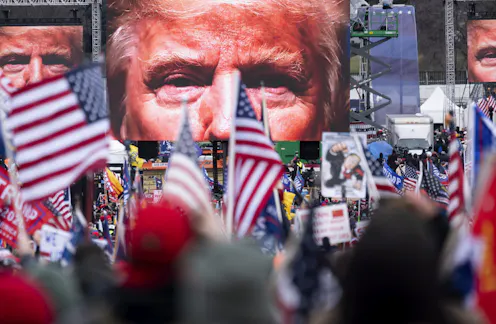
Diaries, visitor logs, handwritten notes and speech drafts are among the records Donald Trump has tried to keep from a Congressional committee investigating the Capitol riot of Jan. 6.
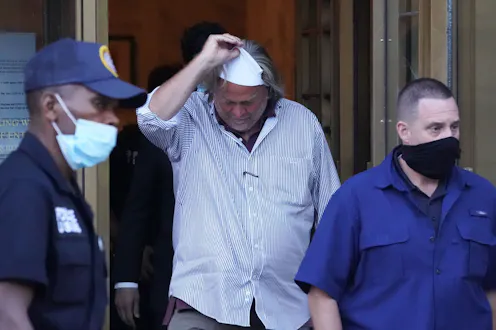
Donald Trump asked former aides not to testify before a committee investigating the Jan. 6 Capitol insurrection. The Department of Justice has now charged one over that refusal.
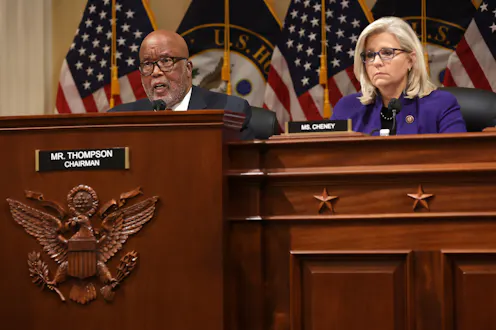
Donald Trump asked his former presidential aides not to testify before a congressional committee investigating the Jan. 6 Capitol insurrection – testing the limits of congressional oversight.
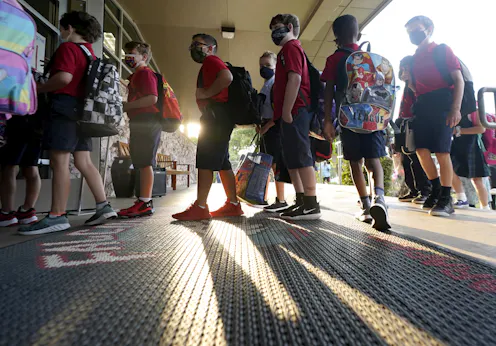
If it sounds like the law is all over the place on school mask mandates, that’s because it is. The nation’s schools are subject to a complex web of local, state and federal laws.
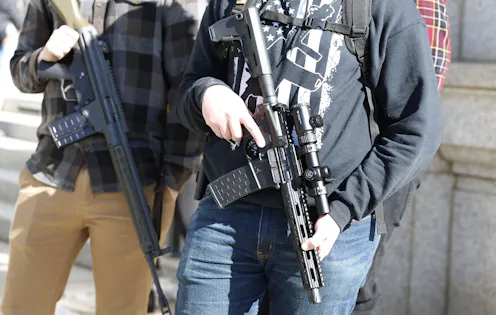
Stricter gun control laws may make mass shootings slightly less common, but other policies may work better to prevent mass shooting deaths.
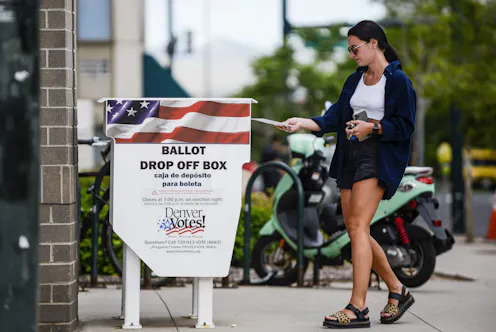
To carry out an election by mail, hundreds of thousands of state and local offices and employees across the US must make sure that ballots are processed in a fair, consistent and timely manner.
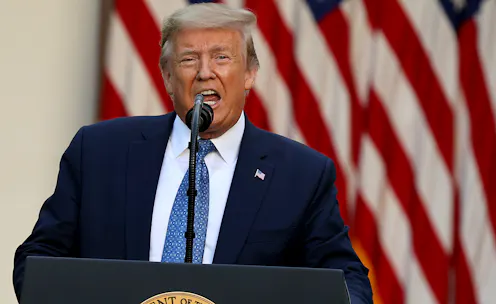
President Trump has warned that he will send the military into states to curb protests. Is Trump’s warning bluster? Or does the president have the authority to send the military into American cities?
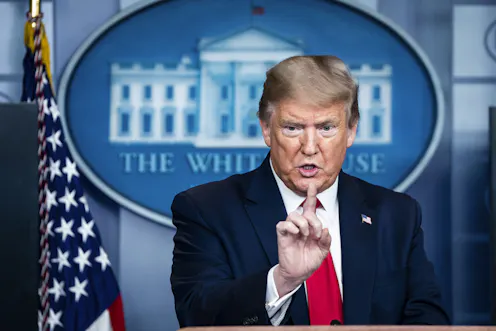
Throughout the coronavirus crisis, President Trump has made inconsistent statements about who is responsible for key aspects of the nation’s response to the pandemic. The Constitution has the answer.
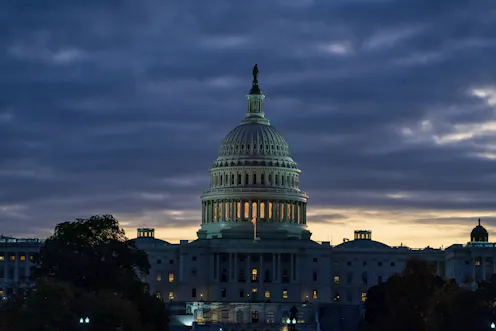
The House of Representatives voted Thursday on a resolution that laid out a process for the inquiry into the impeachment of President Donald Trump. But was the resolution constitutionally necessary?
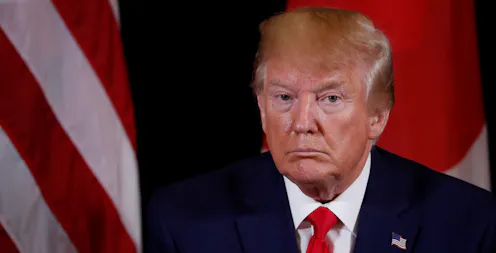
The conflict between Congress and President Trump over his dealings with Ukraine’s president is just the latest version of a long-running struggle for power between the two branches of government.
Contact Jennifer for
- General
- Media request
- Speaking request
- Consulting / Advising
- Research collaboration
- Research supervision
- Location: Phoenix, Arizona, U.S.
- Website
- Article Feed
- Joined
