
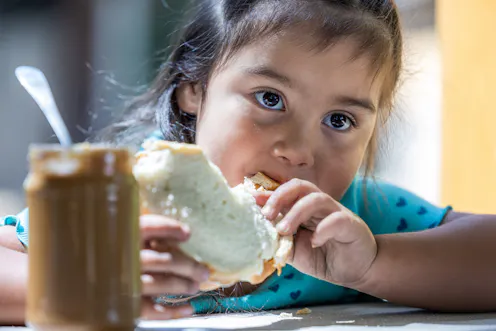
A US study found peanut allergy diagnoses decreased 43% in the years after guidelines changed to recommend introducing these foods early in babies’ diets.
- Evidence and Translation Lead, National Allergy Centre of Excellence; Chief Investigator, Centre of Food Allergy Research; Associate Professor and Group Leader, Childhood Allergy & Epidemiology Group, Child Health Research Centre, The University of Queensland

Reassuringly, documented allergic reactions during flights are very rare. But there are precautions you can take to reduce any risk.

Researchers have been trying to answer this question for many years. Here’s what we know so far.

A recent study found First Nations Australians were twice as likely to present to an emergency department with asthma or other allergy-related illnesses.

You can have a reaction to various foods, but it’s not always an allergy – the difference lies with your immune system.

Beyond Australia, childhood food allergies seem to be on the rise around the world. Here’s where the research is up to.
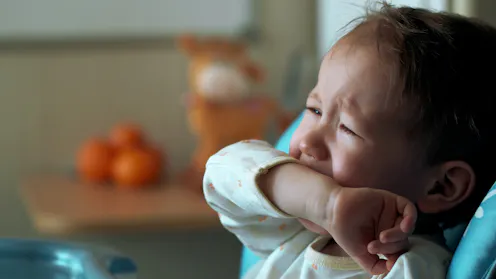
You can’t test for this little-known food allergy that usually affects infants – and the symptoms can be very worrying.
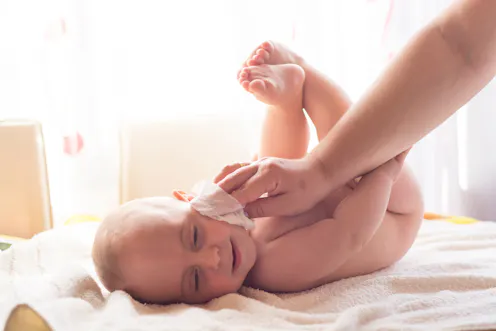
Reports that a study found baby wipes to be a contributor to childhood allergies were plain wrong. The study didn’t test baby wipes, and was done in mice.

Parents are now advised to introduce foods like peanut and egg to infants before one year of age.
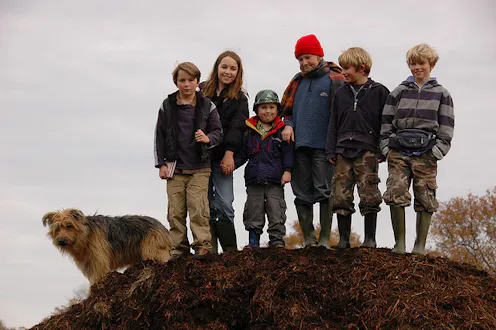
Having older siblings and a dog that lives in the home could reduce the likelihood of infants developing egg allergies, according to a new study published in the latest edition of the journal Allergy…
Contact Jennifer for
- General
- Media request
- Speaking request
- Consulting / Advising
- Research collaboration
- Research supervision
- Location: Brisbane, Australia
- Website
- Article Feed
- ORCID
- Joined
