
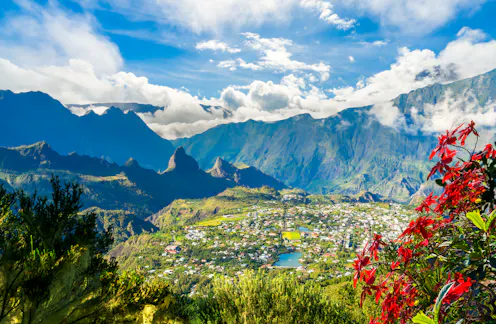
Climate and weather play a large role in people’s leisure travel decisions.
- Professor of Physical Geography, University of the Witwatersrand

The changes that were mapped represent the shift from a lake to the contemporary shallow wetland at the site.
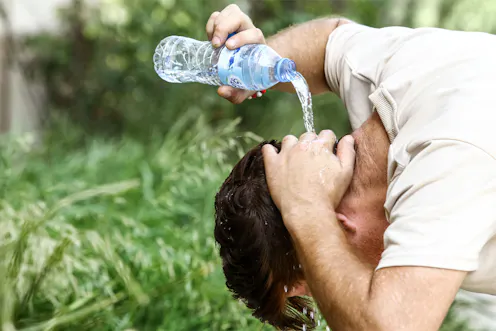
Temperature records are being broken in Africa and around the world.

Climate systems which drive anomalously cold weather will still cause cold extreme events into the 21st century.
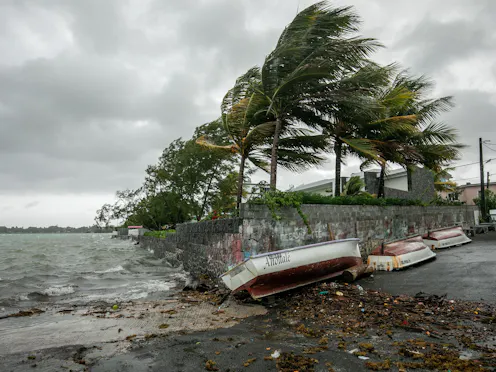
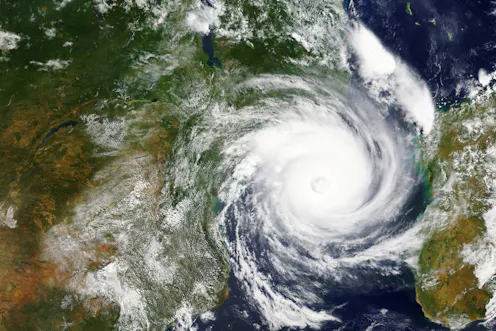
Tropical cyclones are becoming more frequent in the Indian Ocean. Here’s why and what that means.
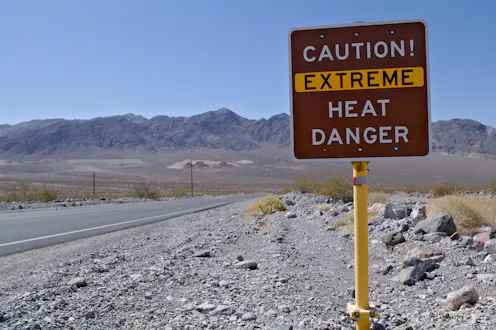
Simply put, southern Africans are experiencing heat stress more often than in 1979.
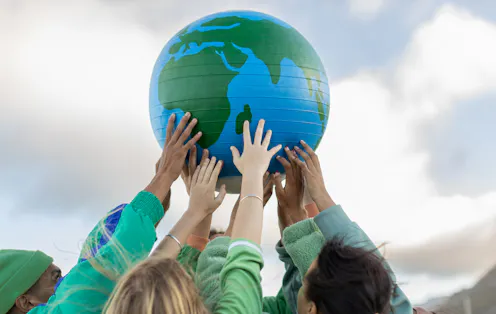
People are starting to notice the weather and climate, and to understand climate change better than ever before.

Across the world, phenological events are occurring increasingly earlier as a result of climate change.
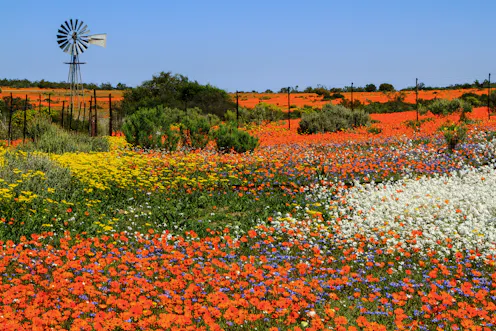
The progressively earlier flowering places the daisies at greater risk of failed flowering seasons. This would be a blow to biodiversity and tourism.
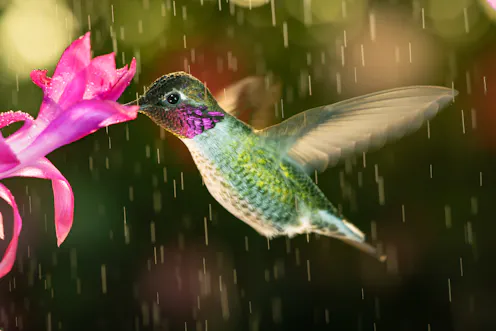
Climatologists study data over a long time to understand weather patterns and what causes them. Biometeorologists explore the impact that the weather and climate have on people, plants and animals.
This is a really important question, and one which climatologists work on in many aspects of their jobs.
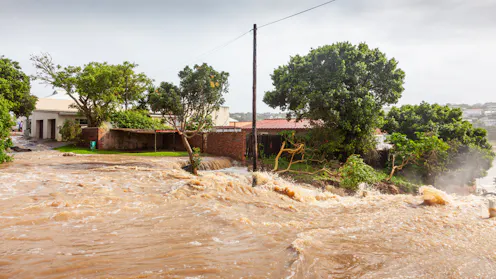
The picture seems hopeless, but with mitigation and adaptation strategies and policies driven through COP26, southern Africa can reduce the impacts of climate change on local livelihoods.
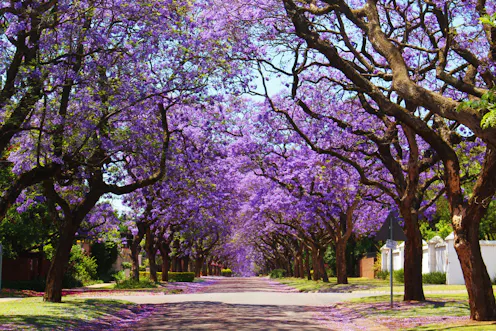
Climate change is causing jacarandas to flower earlier. If this trend continues, they could be at risk of flowering when it’s too cold and become dormant.
CC BY-NC-ND7.19 MB (download)
Communication about malaria areas and treatments is crucial so that people are aware of risks.
CC BY-NC-ND7.53 MB (download)
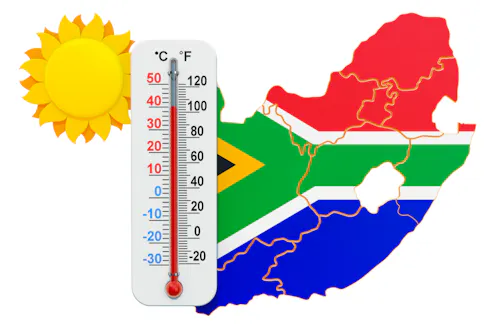
Understanding when there will be extreme heat and extreme cold can help people prepare.
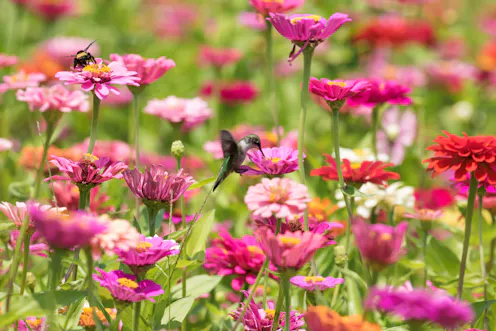
The threats of climate change to plants, animals and people in Africa mean that the continent is an excellent place for biometeorological research.
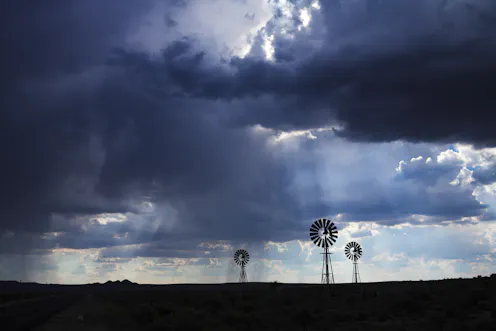
Trends across the different rainfall zones can be linked to changes recorded for large-scale climate systems.
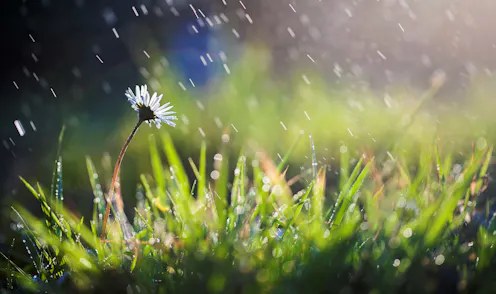
Examining old vegetation sediments to learn about shifting weather patterns and climate change.
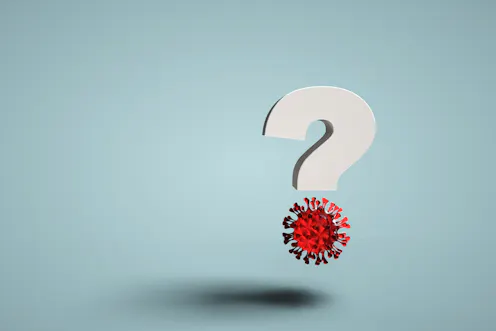
The science to policy process that was developed to guide climate mitigation decisions can be applied to the response to the COVID-19 pandemic, without having to be reinvented.
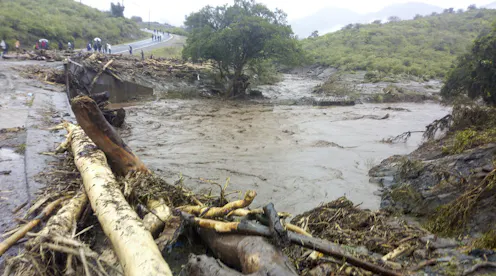
The unusual weather can be attributed to the Indian Ocean Dipole. This is the difference in sea surface temperatures between the eastern and western tropical Indian Ocean.
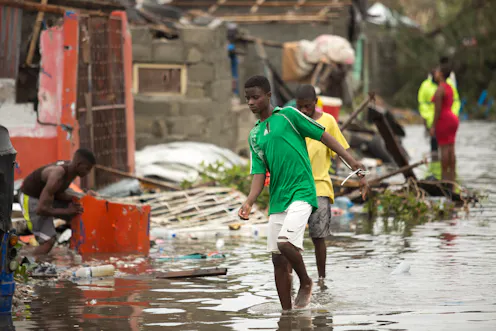
As storm directions change, countries that are outside the usual tropical storm zones need to ready themselves.

Monitoring the timing of recurring biological events is key to understanding the effects of climate change.
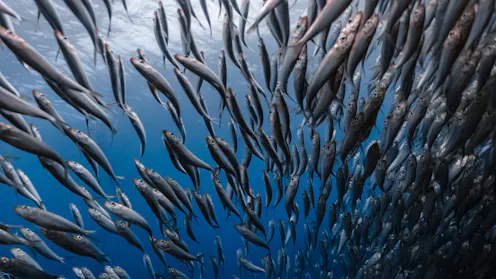
South Africa’s annual sardine run is occurring increasingly late, and there have been instances where it doesn’t happen at all. Here’s why.
CC BY-NC-ND5.61 MB (download)
Warmer oceans are contributing to more frequent tropical cyclones.
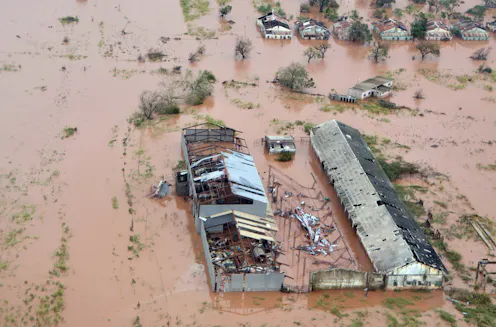
The spate of high intensity tropical cyclones making landfall in Southern Africa has been tied to very warm sea surface temperatures.
Contact Jennifer for
- General
- Media request
- Speaking request
- Consulting / Advising
- Research collaboration
- Research supervision
- Location: Johannesburg, South Africa
- X (formerly Twitter): @JenFitchett
- Article Feed
- ORCID
- Joined
