

Canada’s ambitious vision for improving access to school food needs to be bolstered by community collaboration and high-quality research.
- Associate Professor of Food, Nutrition and Health, University of British Columbia

Dominant nutrition wellness narratives wrongly focus on individual behaviour and personal responsibility, which obscures the structural causes of hunger and delays policy changes.

Research in leading medical journals about what and how to feed school-aged children remains disconnected from the complex realities of family life and the political forces that shape it.

Au Canada, les parents, et en particulier les mères, doivent jongler avec les repas scolaires, souvent sous une forte pression.

In Canada, where fewer than 10 per cent of kids regularly eat school-provided meals, parents, especially mothers, are left to juggle school lunches, often under major pressure.

School food programs should be key elements of governments’ COVID-19 responses. In planning these, the relationships that are part of providing food matter.
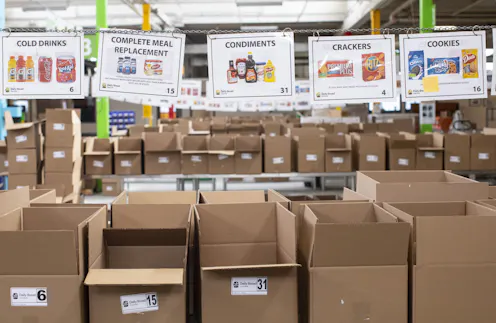
The ability of food banks to meet the needs of food insecure Canadians has plummeted just when it is needed most. But food banks have never been able to address the reason people are going hungry.
Contact Jennifer for
- General
- Media request
- Speaking request
- Consulting / Advising
- Research collaboration
- Research supervision
- Website
- Article Feed
- Joined
