
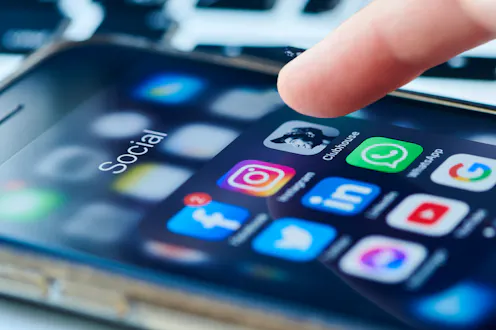
Anthony Albanese has flagged a crack-down on people’s personal details being shared online without consent. But like so much of the internet, it’s hard to police.
- Lecturer in Media and Communications, The University of Melbourne

The government’s plan to make social media companies hand over trolls’ details aims to make it easier for victims to sue their harassers for defamation. But this conflates two very different concepts.
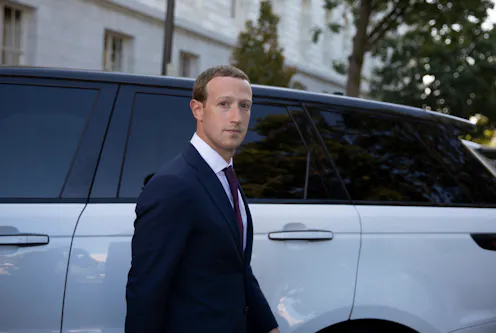
Mark Zuckerberg may try to minimise their concerns, but Facebook moderators and other online workers are beginning to organise for their own protection.
The news that a former moderator is suing Facebook over unsafe work practices suggests it’s time we finally took the mental health of moderators seriously.
Research has shown that large social platforms like Facebook can reinforce problematic social hierarchies and prejudices around gender, sexuality and race.
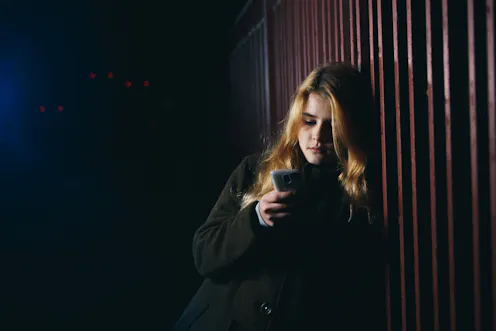
Today’s workplaces extend beyond physical spaces, so movements like #metoo must trigger change in how we behave online.
The media is doing the public a disservice by using the word “trolling” to describe more serious behaviours that should be defined as online harassment and abuse.
Facebook wants to stop violent videos appearing in its feeds, but we must ensure human moderators don’t suffer.

When trolls strike in website comment sections and across social media, we tend to look to curtail the perpetrators and help their targets. But what of the moderators – the often nameless and invisible…
Contact Jennifer for
- General
- Media request
- Speaking request
- Consulting / Advising
- Research collaboration
- Research supervision
- Location: Sydney
- X (formerly Twitter): @JenniferBeckett
- Article Feed
- ORCID
- Joined
