
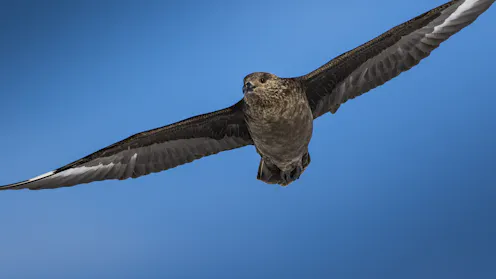
The confirmation of the bird flu virus in a brown skua appears to be a single detection. Ongoing surveillance will be essential to detect any further cases.
- Professor and Webster Family Chair in Viral Pathogenesis, University of Otago
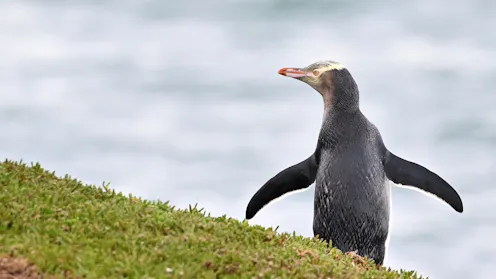
Researchers found the endangered yellow-eyed penguin is made up of three distinct subspecies, with the mainland lineage at greatest risk.

Bird flu is spreading globally and getting closer to New Zealand. Its arrival may be a matter of when, not if – and the risks are significant.
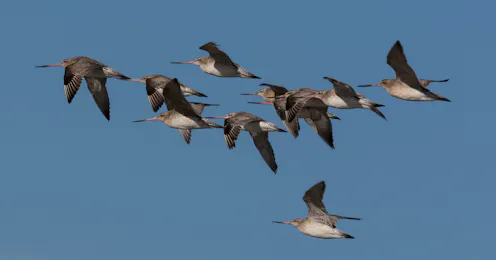
The first sign of a new bird flu might be a dead seabird or marine mammal. Better surveillance of migratory birds and wildlife – and better public awareness – is crucial.

Case numbers are falling in all age groups, including over-70s. This is good news as case rates in older people have been a key driver of the steep rise in hospitalisations and deaths in this wave.
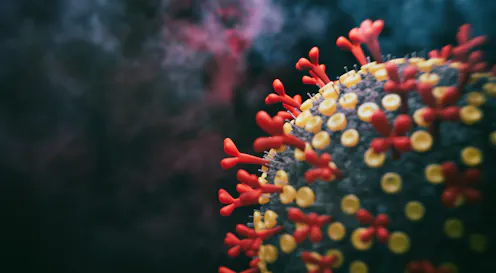
Our best chance of limiting the emergence of new recombinant COVID variants is to limit the spread of infections, using public health measures to slow and suppress the virus.

Without genome sequencing, we would be blind to new variants of COVID-19. As Omicron surges in New Zealand, the sequencing focus is shifting to learning about what causes severe or long-term disease.
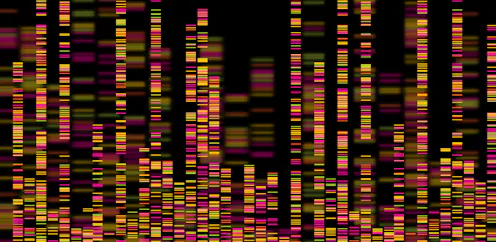
As more genomes are sequenced, it will become clearer when and how the Delta variant slipped through the New Zealand border. The greater the diversity in genomes, the older and larger the outbreak.
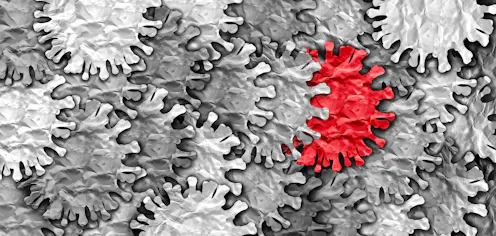
The rapid increase in the number of infections is the most obvious reason why new variants of the virus have been emerging recently. Case numbers doubled in just two months at the end of 2020.
Contact Jemma for
- General
- Media request
- Speaking request
- Consulting / Advising
- Research collaboration
- Research supervision
- Location: Dunedin, New Zealand
- X (formerly Twitter): @Jemma_Geoghegan
- Article Feed
- ORCID
-
- Joined
