
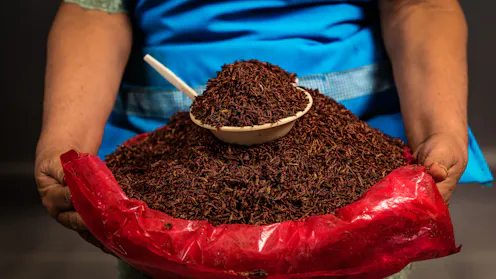
Long stereotyped as food for the poor, the local delicacy’s gastronomical stature has grown as foodies flock to Oaxaca, Mexico, to sample the crunchy snack.
- Professor of Anthropology, The Ohio State University

Los zapotecas están sobreviviendo a la pandemia haciendo lo que siempre han hecho cuando el gobierno mexicano no puede – o no quiere – ayudarlos: recurrir a las tradiciones indígenas.
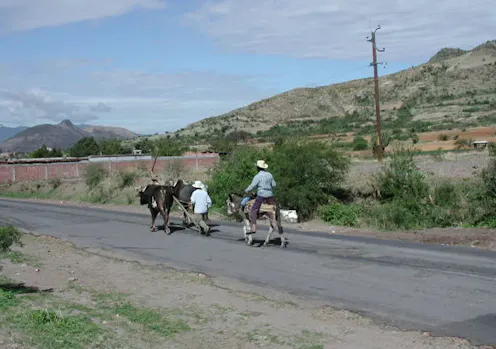
Les Zapotèques du sud du Mexique, communauté qui se caractérise par une forte solidarité interne, ont décidé de pratiquement se couper du monde pour échapper à l’épidémie.

The Zapotec people of southern Mexico have always relied on each other to solve problems when the government can’t, or won’t, help. That’s proving to be a pretty effective pandemic response.

Ban or no ban, finding a Syrian refugee in the U.S. isn’t easy.
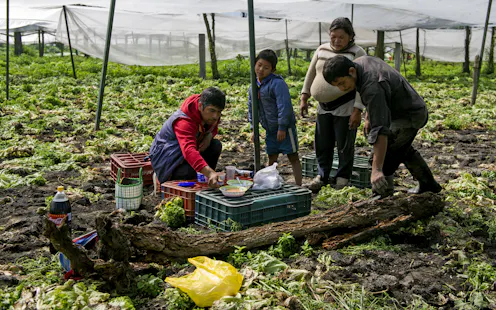
US elections surfaced fears of Mexicans crossing into the US. But their numbers are actually in decline. Why are they choosing to stay in Mexico? Two migration experts went there to find out.
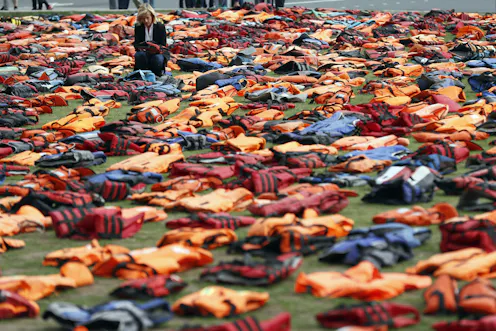
The U.N. and other leaders met to discuss coordinating an international response to unprecedented numbers of refugees and migrants. Two migration experts examine issues the summits left unresolved.
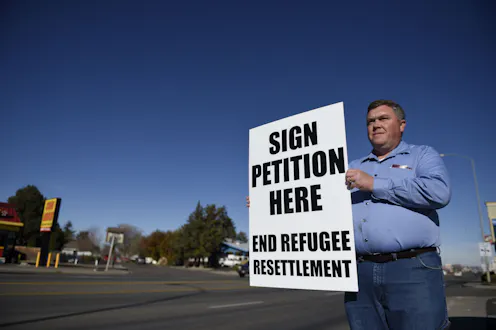
The US has met its goal for resettling Syrian refugees in 2016, and will aim to take in 110,000 more in 2017. A migration expert examines whether fears of their arrival are well founded.

In Turkey, the purge following the failed coup has damaged the nation. Migration experts explain how, much like after the coups of the past, people are voting with their feet and choosing to leave.

Can you visualize any number greater than 100? Migration experts explain why thinking about migrants en masse makes it difficult to address the nuances of each group’s unique challenges.
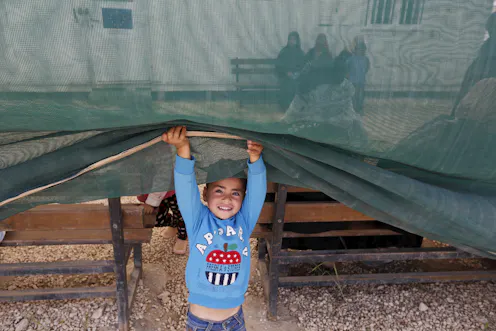
As part of a collaboration between The Conversation and PBS’s Point Taken, a professor from The Ohio State University examines some common misconceptions about Syrian refugees.

A majority of U.S. citizen oppose Syrian refugee resettlement. We run the numbers to put the perceived risk in perspective.

About one in seven Americans report going hungry at some point during the year, a fact apparently far from the minds of the presidential candidates.
Contact Jeffrey for
- General
- Media request
- Speaking request
- Consulting / Advising
- Research collaboration
- Research supervision
- Location: Columbus, Ohio, U.S.
- Website
- Article Feed
- ORCID
- Joined
