
The jobless rate hasn’t been this high since November 2021. But this is why it’s unlikely to stop the Reserve Bank from lifting interest rates next Tuesday.
- Professor of Economics, The University of Melbourne
The unexpected jump strengthens the case for the Reserve Bank to cut the official cash rate in November.

While unemployment unexpectedly rose to 4.3%, there’s some good news hidden in the data. And for homeowners, it makes a rate cut next month more likely than before.

Until now, Australia has been more successful than the US, UK and Canada in managing inflation and unemployment, but underlying weakness in the labour market are putting that success at risk.

Giving workers an extra week of annual leave could take pressure off employers to increase their workers pay.
The headline figures look good, but employment growth is slowing and hours worked are barely growing.

While fewer new jobs are being created, an unusually high backlog of vacancies is keeping demand for workers high. But over the past year, we’ve seen a shift in who is being hired.

The pandemic has changed economic thinking on how low the unemployment rate can go. We now need a new full employment target.

Australia’s employment growth is slowing, but the ups and downs from month to month make it hard say what happens next.

Many occupations in Australia are more heavily gendered than they were 35 years ago.

Australia has its lowest unemployment rates in almost 50 years – helped along by high numbers of employees off work sick.

Even with an unemployment rate of 3.9%, wages aren’t adjusted often.
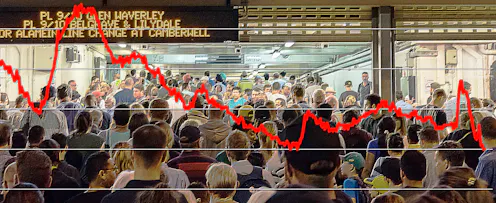
Even the government’s pledge of 1.3 million extra jobs might not be enough to keep unemployment below 4%. The pledge ought to be the unemployment rate itself.

There is enough momentum for Australia’s unemployment rate to go lower than 4.2% in 2022. Keeping it low is another matter.

Even now much of the recovery in employment seems to be happening without big wage increases.
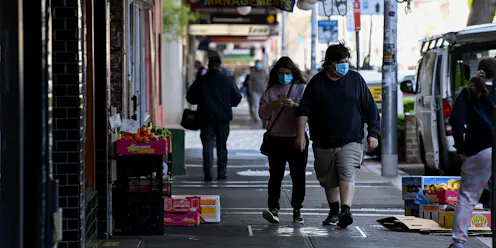
The drop in Australia’s unemployment rate in August is not a sign of improving labour market conditions. Instead it shows many gave up on looking for a job.
Australia has just run a real-life experiment.

Relaxing restrictions too soon would only cost more jobs in the long run.

It isn’t only because they are in worse jobs. it’s also because they are earning less from businesses.

Previous recessions have mainly hit men. The jobs figures suggest we should treat this one differently.
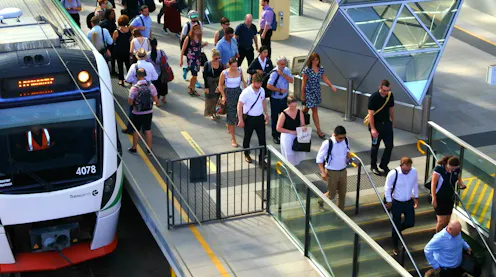
The best case scenario sees a short-term recovery to the depths of the 1980s and 1990s recessions.
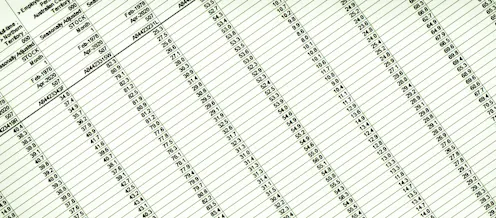
Women have suffered much more than men. Many who were employed in March have withdrawn from the labour force and so aren’t counted as unemployed.

Jobkeeper is far from perfect and open to abuse. On the face of it, it supports 6.6 million wages to save 1 million jobs.
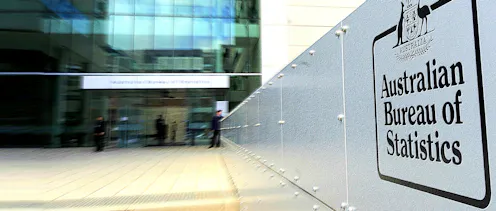
The ABS is providing near real-time data like never before. It’s labour force survey remains the most authorative way of tracking the labour market.

Young Australians, particularly young unskilled Australians, will scared by what’s about to happen for a decade or more.
Contact Jeff for
- General
- Media request
- Speaking request
- Consulting / Advising
- Research collaboration
- Research supervision
