

It’s tempting to think limits would cause teens to riot in the streets. But Facebook’s own research reveals that young people are well aware of social media’s downsides.
- Professor of Psychology, San Diego State University

Americans with lower incomes today are less happy than they were 40 years ago. Could the growing class divide be to blame?

While there have been spikes across the board, some groups are suffering more than others.

We don’t know how long-lasting the effects of the virus will be, but the outbreak is already having a deep psychological impact on people and disrupting life on a massive scale.

New research finds that the different ways boys and girls use digital technology might explain the discrepancy.

In the late 1970s, 52 percent of 12th-graders hung out with their friends almost every day. By 2017, only 28 percent were doing so.

Some have called reports overblown, with others going so far as to call it a myth. But the data that continues to emerge tell a different story.

Some say the hysteria over screen time echoes parents’ worries that their kids were watching too much TV in the 1980s. But new studies show there’s nothing overblown about parents’ growing concern.
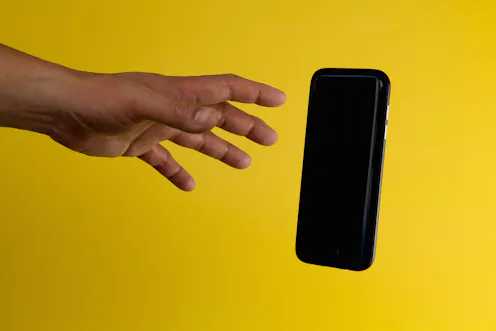
As their kids get older, should parents should be more – not less – vigilant?

In 1980, 60 percent of 12th graders said they read a book, newspaper or magazine every day for pleasure. By 2016, only 16 percent did.

After Columbine, teens weren’t taking to the streets to call for more gun regulations. So what’s changed?

Changes in how we’re spending our free time is a likely culprit.
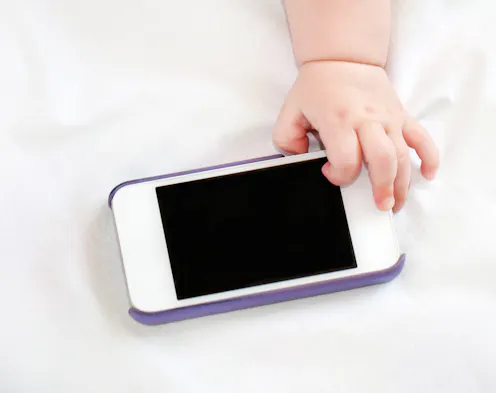
The problem isn’t kids owning smartphones. But when daily use exceeds two hours a day, mental health issues start to crop up.

According to a new analysis, the number of US teens who felt “useless” and “joyless” grew 33 percent between 2010 and 2015, and there was a 23 percent increase in suicide attempts.

The amount of time teens have spent working and participating in extracurricular activities has held steady in recent years. There has, however, been one big change in their lives: smartphones.

Should parents be worried that many teens are putting off traditional rites of passage like working, driving and dating?

Move over millennials, there’s a new generation in town. Dubbed ‘iGen,’ they differ from their predecessors on a range of measures, from mental health to time spent with friends.
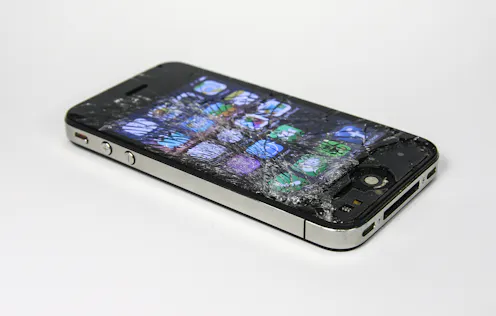
How has the first generation of kids to grow up with the iPhone been affected?

It’s become fashionable to suggest that generational designations are arbitrary or a ‘myth.’ But social scientists can pinpoint generational and cultural changes with a surprising degree of accuracy.
Contact Jean for
- General
- Media request
- Speaking request
- Consulting / Advising
- Research collaboration
- Research supervision
- Location: San Diego, California, U.S.
- Website
- X (formerly Twitter): @jean_twenge
- Article Feed
- ORCID
- Joined
