• Professor, Department of Epidemiology, Biostatistics and Occupational Health, McGill University

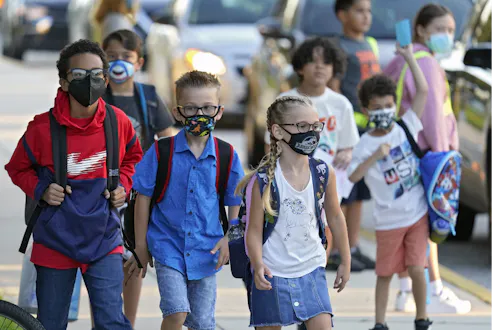
Pour réduire la transmission de la Covid-19 chez les enfants non vaccinés, les épidémiologistes s’appuient sur une approche à plusieurs niveaux avec, notamment, le port du masque, la ventilation, le regroupement en cohortes et la promotion de la vaccination auprès de toutes les personnes éligibles. (AP Photo/Chris O'Meara, File)

Retour en classe et Covid‑19 : le variant Delta, la prévention, le dépistage, et quelques exemples d’ailleurs dans le monde

Comme les enfants de moins de 12 ans ne sont pas encore vaccinés, la prévention de la Covid-19 dans les écoles passe par différentes mesures, dont la ventilation et le dépistage.
For children, the risks associated with school closures have surpassed the health risks associated with COVID-19. (Shutterstock)

COVID‑19 back to school Q&A: Is it safe for unvaccinated children to go to school in person? Is the harm of school closures greater than the risk of the virus?

Amid uncertainties about what the pandemic will look like this fall, experts answer questions about risks of infection in unvaccinated children and the risks of missing in-person school.
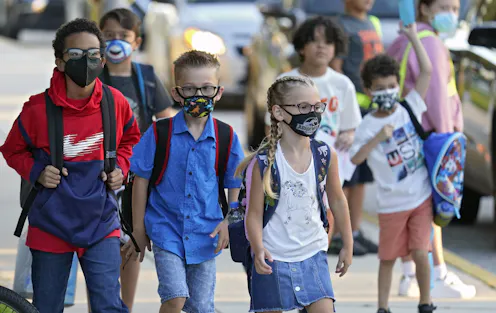
To reduce the spread of COVID-19 in unvaccinated children, epidemiologists rely on a layered approach of interventions including masking, ventilation, cohorting and promoting vaccination for all eligible community members. (AP Photo/Chris O'Meara, File)

Back‑to‑school FAQs on children’s health & COVID‑19: Delta variant, preventing infection, testing and international examples

With no vaccination yet in children under 12, preventing COVID-19 spread in schools depends on fine-tuning policy interventions according to local epidemiology and vaccination rates.

Contact Jay for

  • General
  • Media request
  • Speaking request
  • Consulting / Advising
  • Research collaboration
  • Research supervision