

Racial trauma in society has been challenging for all of us, especially children and teens. There are practical steps we can all take to help ourselves and our kids heal.
- Associate professor, Psychiatry, Western University
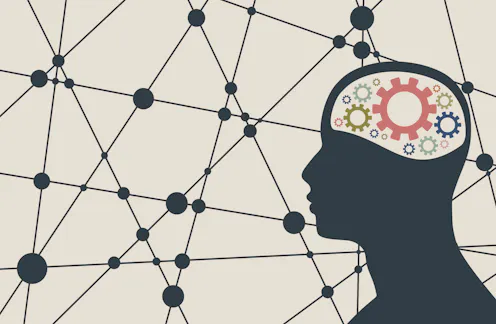
Structural stigma is in the rules, policies and procedures of organizations and society. It’s reflected in systems that treat people with mental illness as less treatable or less deserving of care.

Recent years have seen a rise in the number of businesses offering employees bias training. However, bias training is not a one-size-fits-all solution and unless tailored to specific contexts loses its value.

COVID-19 is affecting many people’s state of mind, but some of the most vulnerable members of our communities are children and youth with pre-existing mental health challenges.
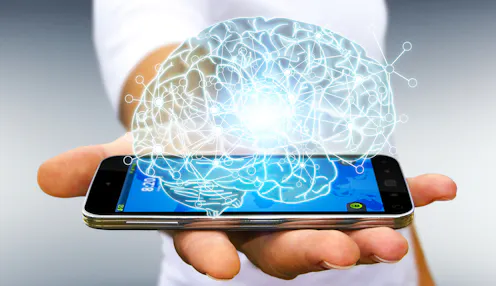
People seeking mental health care still encounter stigma, even within the health system. New tools for teaching and sharing information may help address it.

Awareness campaigns can only go so far to stopping the stigmatization of mental health. Change occurs once we stop shaming ourselves and others for our bias.

Starbucks is implementing implicit bias training for its employees in the United States and Canada. Even though we are not aware implicit biases, they lead to discriminatory behaviours.
Contact Javeed for
- General
- Media request
- Speaking request
- Consulting / Advising
- Research collaboration
- Research supervision
- Location: London, Canada
- Website
- X (formerly Twitter): @javeedsukhera
- Article Feed
- ORCID
- Joined
