

If you’re on holidays, the water may taste different. But is it safe to drink?
- Senior Lecturer, Western Sydney University

For over 40 years, a coal mine on the outskirts of the Blue Mountains World Heritage area dumped poorly treated wastewater into the Wollangambe River. Finally, it’s on the road to recovery.
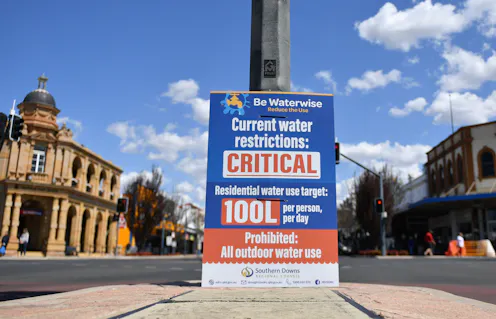
Five capital city water storages fell over summer, and some appear to be facing dramatic long-term declines. Late drenching rains fell on southeastern Australia, but some unlucky centres missed out.
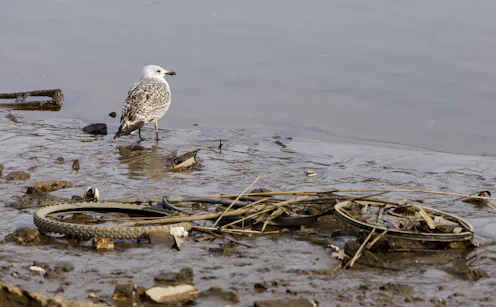
Floods will undoubtably wash pollutants into water reservoirs. Are we prepared enough to protect our drinking water?
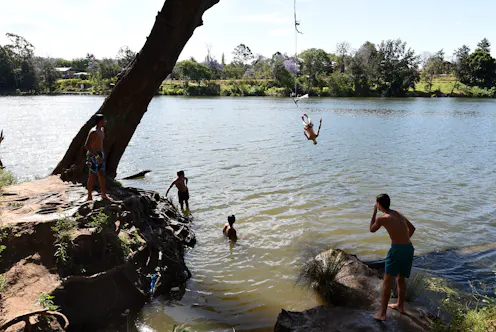
If you want to swim in the Yarra River, you can check the water quality to see if it’s safe. If you want to swim in the Nepean River, you can’t – and that’s a problem.
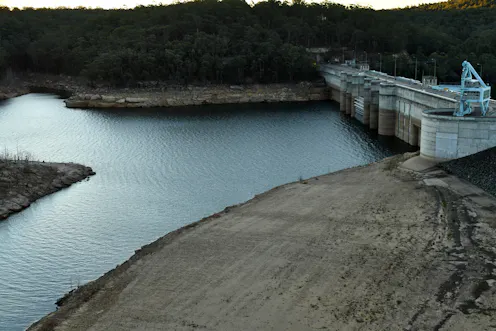
Australia’s capital cities have collectively lost 30% of their stored water over the last six years. But this loss is not evenly distributed across the country.
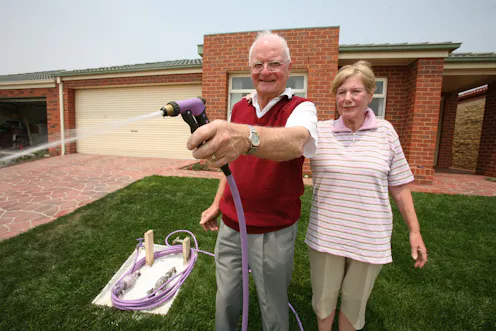
Cities relied entirely on conserving and recycling water to get through the last big drought. We now have desalination plants, but getting the most out of our water reserves still makes sense.
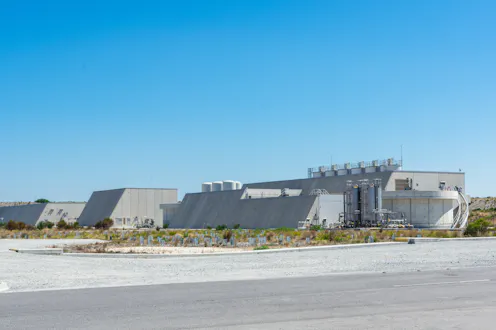
Sydney and Melbourne are bringing desalination plants back on stream and Adelaide plans to increase its plant’s output. Perth depends on desalination. But is it the best way to achieve water security?
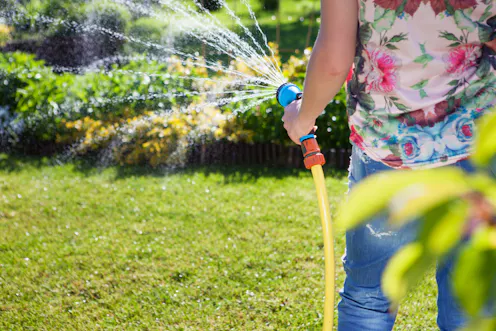
Plants can find it tough to get all the nitrogen they need, especially from Australian soils. But summer storms can provide an added boost.
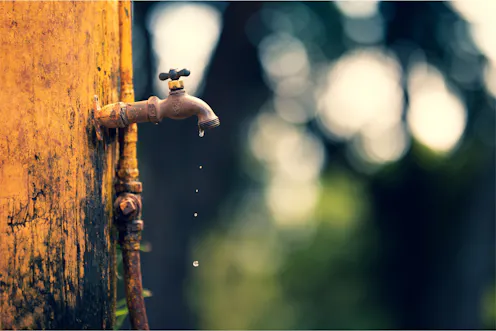
Of Australia’s capital cities, Perth has the saltiest tap water, while Melbourne, Hobart, Darwin and Canberra have the least salty. And while all are within guidelines, the variation is striking.
Contact Jason for
- General
- Media request
- Speaking request
- Consulting / Advising
- Research collaboration
- Research supervision
