

While many people said they drank more during the pandemic, others actually drank less, mainly because socialising at clubs, pubs and parties wasn’t possible.
- Professor, Director of Research and Statistical Support Service and Program Leader for Substance Use and Mental Health, Centre for Health Services Research, The University of Queensland
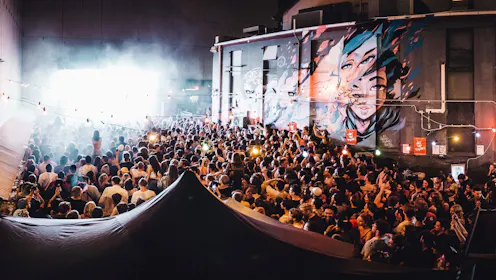
The good news is that the growth of live music continued under Queensland’s liquor licensing reforms. The bad news is that venues rely on late-night alcohol sales to cover costs.

Even after ‘Tackling Alcohol-Fuelled Violence’ policies took effect in 2016, Queenslanders still drink more heavily on nights out. Reported levels of aggression are higher than in other states too.
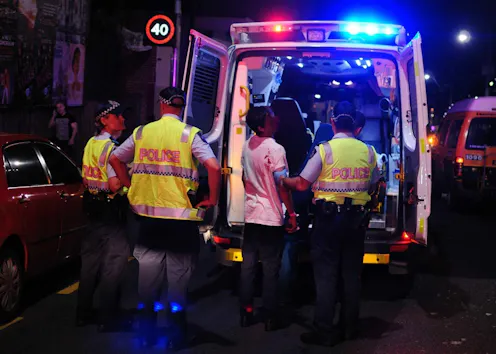
A comprehensive two-year evaluation of statewide measures introduced in 2016 has shown it’s possible to reduce alcohol-related violence while also producing economic benefits.

Most drug use among Australian festival goers appears to be occasional and isn’t problematic. But a small group experience higher rates of drug-related harms.

The only quitting tool most Australian prisoners have access to is nicotine lozenges. These are being mixed with tea leaves to create a smokable product known as “teabacco”.
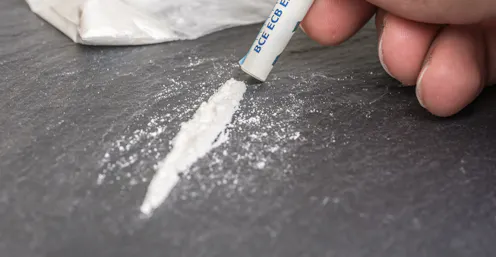
Cocaine is the second most commonly used illicit substance in Australia, after marijuana.
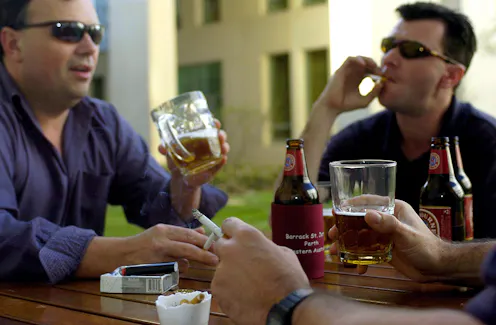
Responsible Service of Alcohol laws should be coupled with public discussion that encourages people to take responsible for their own drinking behaviour.

Banning orders can encourage personal responsibility and demonstrate that anti-social behaviour will not be tolerated.
Contact Jason for
- General
- Media request
- Speaking request
- Consulting / Advising
- Research collaboration
- Research supervision
- Location: Brisbane, Queensland
- Website
- X (formerly Twitter): @JasonFerris22
- Article Feed
- ORCID
- Joined
