
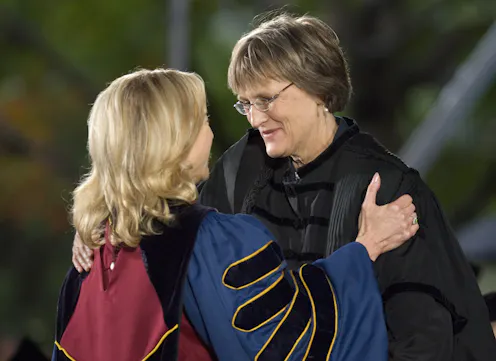
Most university presidents in the US are still white, male and over the age of 60. But as they retire, is there an opportunity to reshape college leadership and, with it, higher education itself?
- Dean and Professor of Higher and International Education, Executive Director of SUNY's Strategic, Academic, and Innovative Leadership (SAIL) Institute, and Co-Director of the Cross-Border Education Research Team, University at Albany, State University of New York
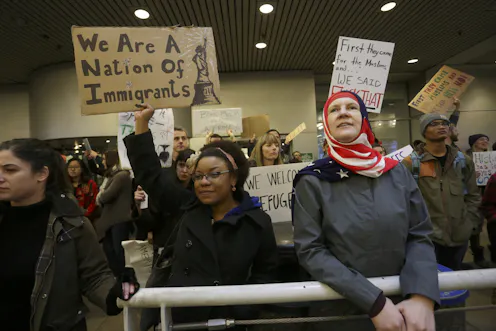
For decades, the US has used international education to support democracy and positive relations with countries. For most of the 1970s, Iran sent more students to America than any other country.
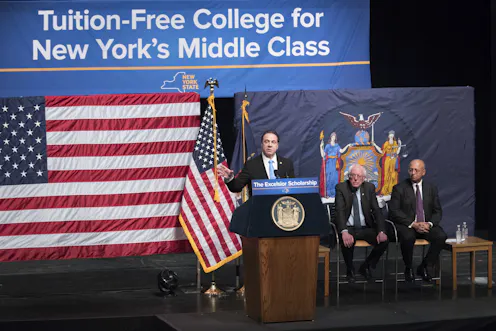
What does tuition-free college mean in other parts of the world? And what would it mean for international students?
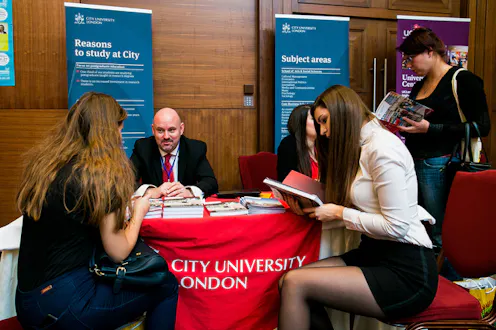
Nombreux sont les étudiants qui décident de partir à l’étranger. Mais l’Amérique n’est plus la terre promise. Troisième volet de notre série sur l’internationalisation de l’enseignement supérieur.
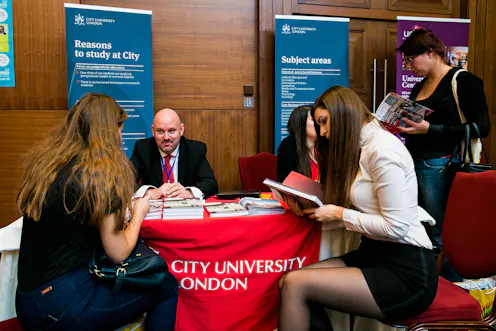
In recent years, a large market in higher education has emerged. From 2.1 million students studying abroad in 2001, the number has gone up to roughly 4.5 million. How is the US faring?

Universities across 32 countries are operating 235 global branch campuses across 73 nations. What does this trend mean? What changes is it bringing?
Contact Jason for
- General
- Media request
- Speaking request
- Consulting / Advising
- Research collaboration
- Location: Albany, NY, USA
- Website
- X (formerly Twitter): @profjasonlane
- Article Feed
- Joined
