
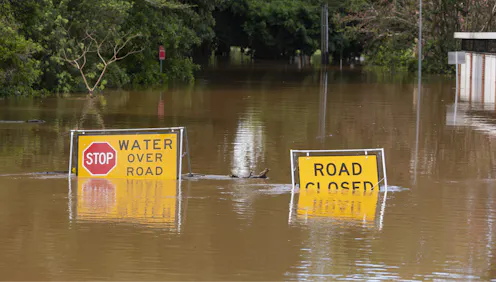
Nature-inspired responses like planting more trees and revegetating wetlands could reduce flooding in the northern rivers.
- Senior Research Fellow, Institute for Climate, Energy and Disaster Solutions, Australian National University

We can construct buildings that reduce atmospheric CO₂ by more than their lifetime emissions. They now don’t cost much more – and a project involving 1.2 million homes would drive costs down further.
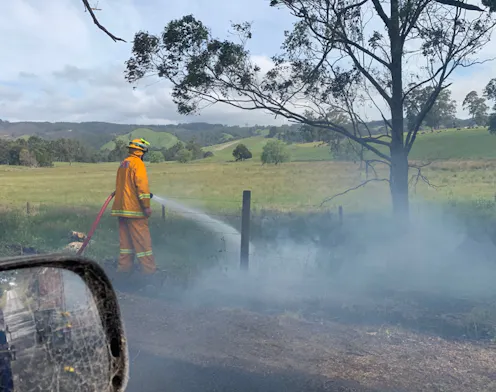
Local, self organised, community groups can be supported to do strategic hazard reduction through a range of techniques – including targeted grazing, and prescribed or fuel reduction burning.
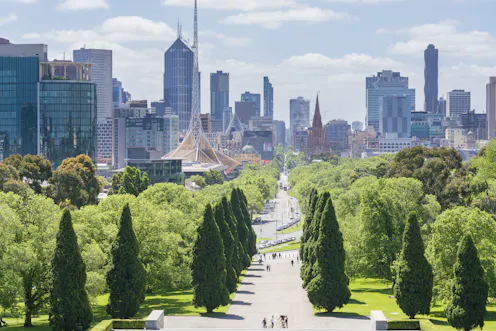
Expanding green cities needs a holistic approach, and learning from Melbourne and Canberra is a good place to start.
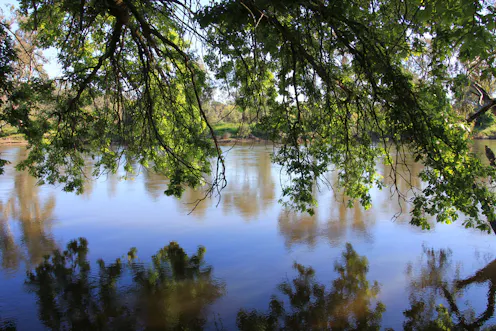
Public confidence in the institutions in charge of the Murray Darling Basin has plummeted – with good reason.
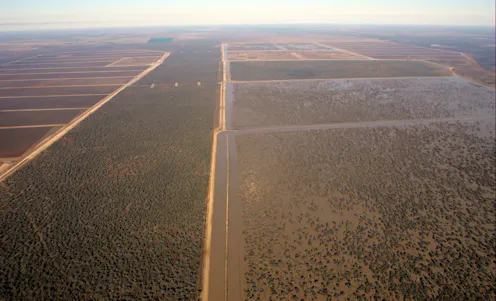
Allegations of water theft have thrown the Murray-Darling Basin Plan into crisis. The solution could involve users declaring their annual water use, subject to random audits - like a tax return.
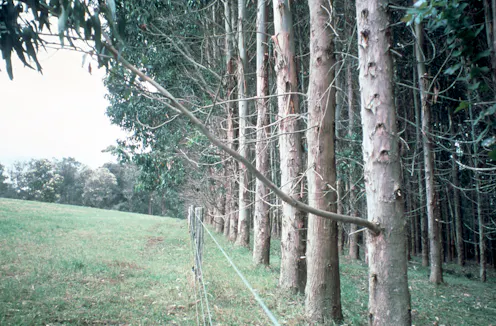
The GFC killed off Australia’s timber plantation boom, leaving behind a million hectares of timber. But by recognising the carbon value in these trees, a new industry could grow in place of the old.
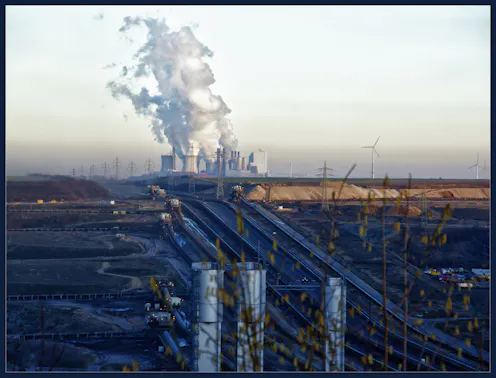
Do the Intergovernmental Panel on Climate Change (IPCC) and the Club of Rome deserve a reputation as modern Chicken Littles who claimed repeatedly that the sky is falling? According to Hugh Morgan - former…

With world population exceeding seven billion, there is renewed interest in the limits to growth concept first articulated by the Club of Rome in the 1970s. How can a growing population with growing affluence…
Contact Jason for
- General
- Media request
- Speaking request
- Consulting / Advising
- Research collaboration
- Research supervision
- Article Feed
- Joined
