
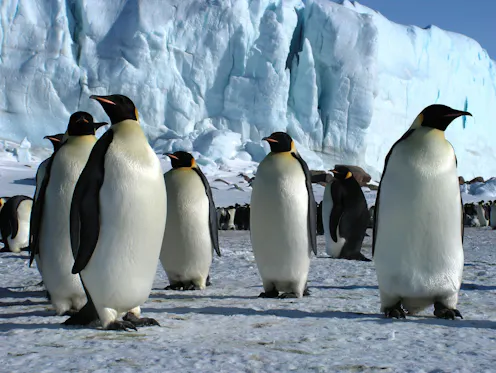
The species at risk include flowering plants, moss and lichens, tough invertebrates and breeding seabirds.
- Conservation biologist, Queensland University of Technology
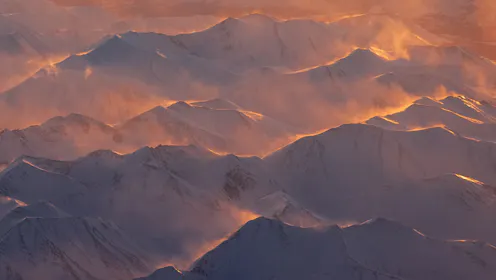
Más de dos tercios de las áreas vírgenes que quedan en el planeta están en manos de sólo cinco países, según un nuevo mapa mundial. En necesario un esfuerzo de conservación unánime para salvar los últimos espacios salvajes de la Tierra.
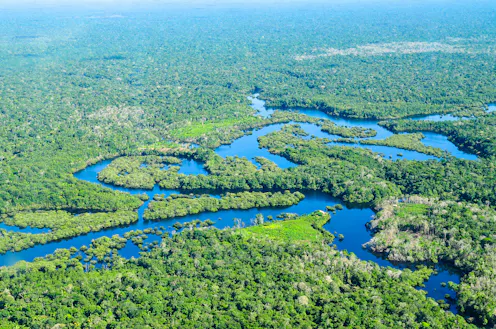
More than two-thirds of Earth’s remaining wilderness is in the hands of just five countries, according to a new global map. A concerted conservation effort is needed to save our last wild places.

Climate change is set to expand Antarctica’s ice-free area, potentially helping native species to flourish but also paving the way for invasive species to gain a foothold.
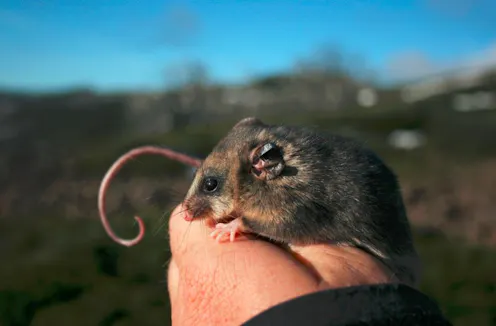
Nearly half of 200 Australian species are threatened by climate change, according to new research, including the iconic mountain pygmy-possum.
Contact Jasmine for
- General
- Media request
- Speaking request
- Consulting / Advising
- Research collaboration
- Research supervision
