

Is the disastrous impact we’re having on the planet affecting our decision about having children of our own?
- Senior Lecturer in Sociology, Lancaster University
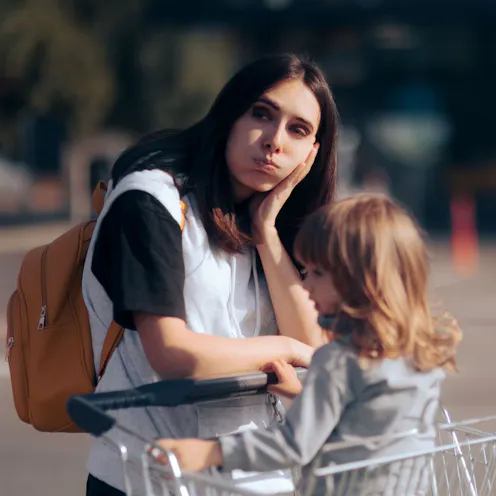
Everyone should have the right to have, or not have, a child and to parent with dignity in a safe environment – but food insecurity makes this difficult.

Arguments about population growth are unhelpful, distracting and often racist.
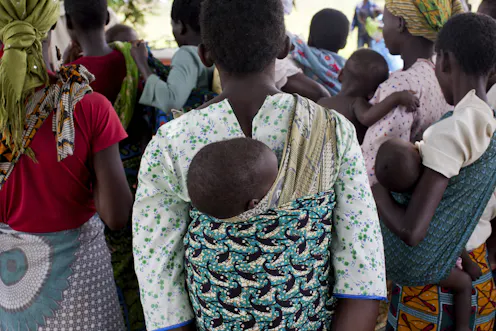
Despite the substantial negative impacts of infertility on health and well-being, it’s a neglected public health issue throughout much of the Global South, including Malawi.
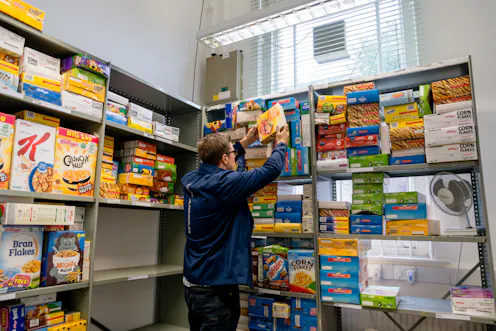
A survey of food bank users found nearly 60% couldn’t afford to adequately heat their homes.
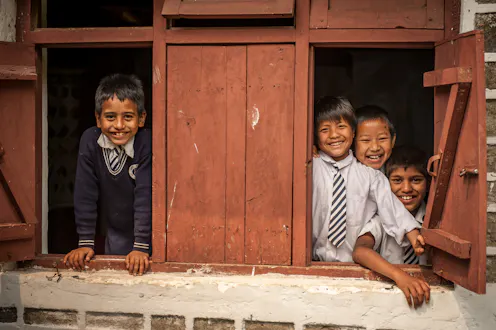
New study finds food insecurity is negatively linked to learning outcomes in reading, English, maths, and local language vocabulary.
CC BY-ND7.93 MB (download)
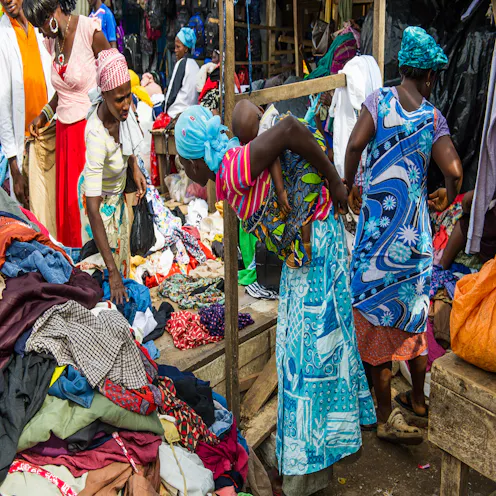
There's heavy burden for women in Ghana who don't have children.
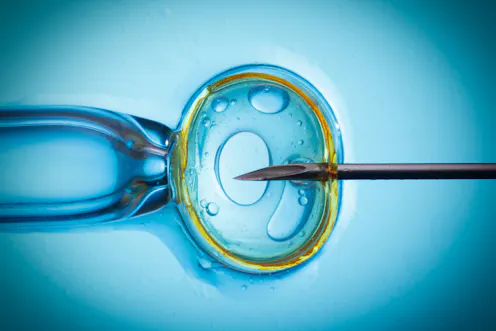
Some social groups are falling through the gaps of fertility data. Men, ethnic minorities and the LGBT community have explicitly been excluded from surveys.
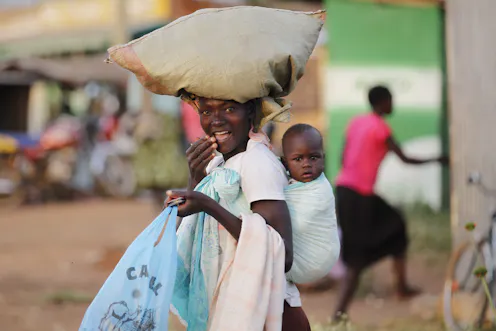
Infertility is tied to the instability of romantic relationships in Ghana.
Contact Jasmine for
- General
- Media request
- Speaking request
- Consulting / Advising
- Research collaboration
- Research supervision
- Location: Lancaster
- Website
- X (formerly Twitter): @JFledderjohann1
- Article Feed
- ORCID
- Joined
