

Taxes raise prices, and higher prices reduce smoking. But duty-free tobacco sales remain a policy anomaly and deny the government much-needed health revenue.
- Professor in Public Health, University of Otago

Introducing oral nicotine pouches risks exposing more young people to nicotine addiction and compounding the problems caused by vaping.

Early versions of graphic warnings on smoked tobacco products aimed to arouse fear. But addressing feelings of regret and shame may be more motivating to quit.

For NZ to achieve its goal to bring smoking under 5% would require more than 80,000 people to quit this year. To be equitable, 60,000 would need to be Māori.

New Zealand seems unlikely to reach its stated goal of cutting smoking prevalence to 5% or less across all population groups.

Young New Zealanders, some who have never previously smoked, are now vaping at high rates. A new survey suggests many would back tighter nicotine-free policies.

Young people should be protected from taking up vaping but policies must be proportionate and reduce the appeal and addictiveness of both tobacco and vaping products.
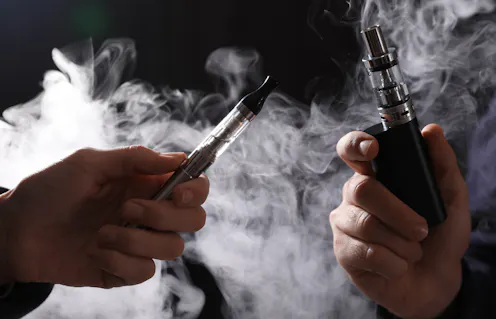
One in five underage adolescents vape occasionally, and nearly 28% of Māori youth vape regularly. Most get their product by sharing and asking older friends to buy vapes for them.
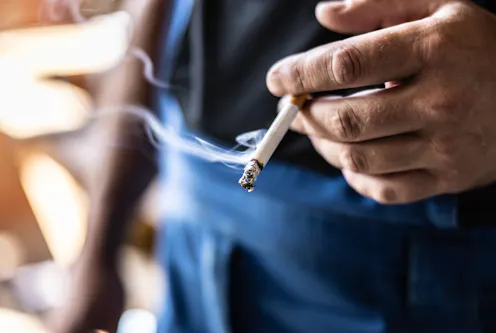
If the government is serious about reducing the cost of smoking, it should stick with Labour’s smokefree legislation rather than freezing the price of smoked tobacco products.
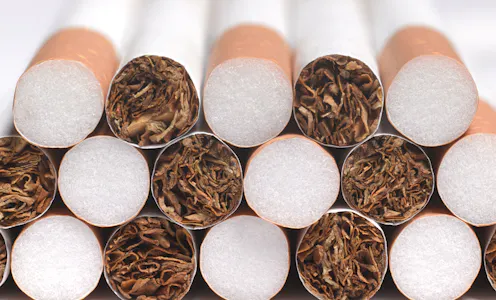
Research shows many smokers regret starting the habit. So why are we repealing the law that would have made smoked tobacco products less addictive?

Meski meningkatkan pemantauan dan pengawasan itu penting, mengurangi ukuran pasar gelap mana pun bisa dibilang merupakan respons terkuat terhadap ancaman yang dituduhkan.
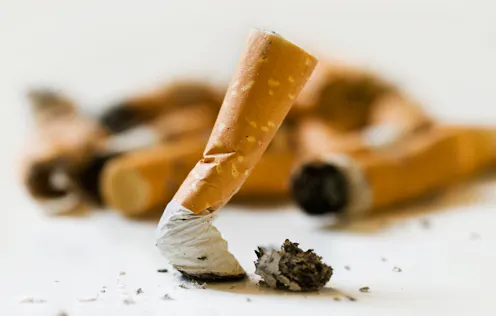
Tobacco companies claim denicotinisation and lower availability of tobacco could lead to illicit trade, but several studies show problems with the way the industry uses data to support such claims.

Vaping products are ubiquitous in New Zealand, sold through a growing number of stores. To reduce youth vaping rates, they need to be harder to access, less appealing and less addictive.

Generasi bebas asap rokok akan membantu mengatasi kesenjangan prevalensi merokok dan mengurangi kesenjangan (ketidakadilan) kesehatan yang diakibatkan dari merokok.
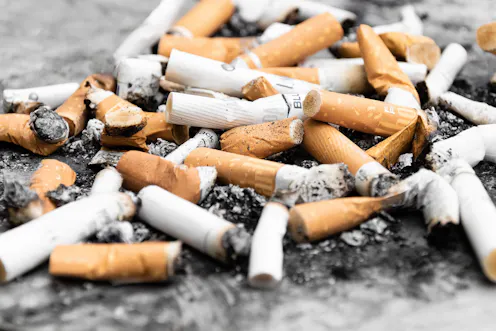
Australia’s approach is welcome but doesn’t go far enough. New Zealand’s plans are much bolder. Here’s how they compare.

Whether or not they smoke, most young people don’t share the tobacco companies’ view that New Zealand’s new smokefree measures will reduce their autonomy or limit their freedoms.
Modelling studies estimate the smokefree generation policy could halve smoking prevalence within 14 years among people aged 45 and younger and achieve a more than a five-fold health gain for Māori.

Research suggests that if vapes had never been introduced, many young non-smokers may not have started using any nicotine products.
Contact Janet for
- General
- Media request
- Speaking request
- Consulting / Advising
- Research collaboration
- Research supervision
- Location: Dunedin, New Zealand
- Website
- Article Feed
- ORCID
- Joined
