
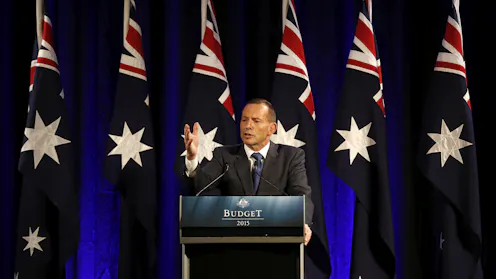
Tony Abbott begins his book Australia: A History, by telling off professional historians – and laments the “cultural confusion” of our present moment.
- Wesfarmers Chair of Australian History, The University of Western Australia
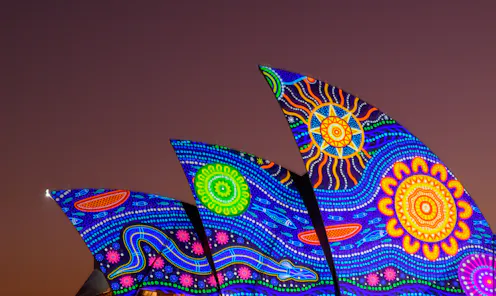
A barbecue, a protest … or a good book? We asked some of our leading historians to choose an illuminating Australia Day read.
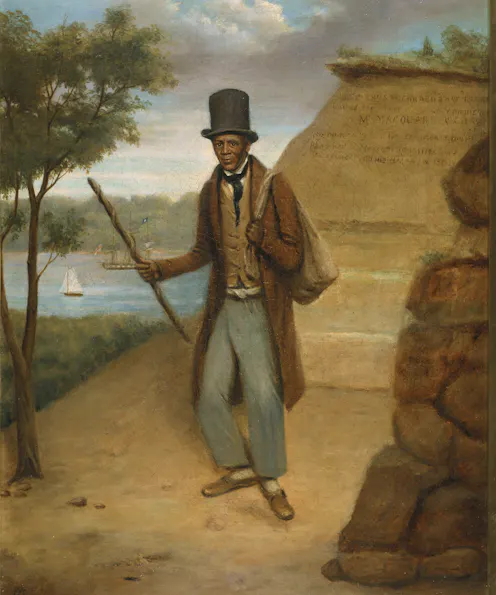
Santilla Chingaipe’s new book brings a fresh and urgent perspective to bear on Australian history. But in countering misrepresentations she overlooks existing scholarship.
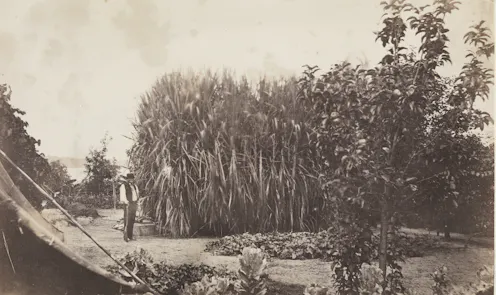
When Britain legislated to abolish slavery in 1833, some former slave owners moved to the Australasian colonies. New research traces this movement of people, money and ideologies.
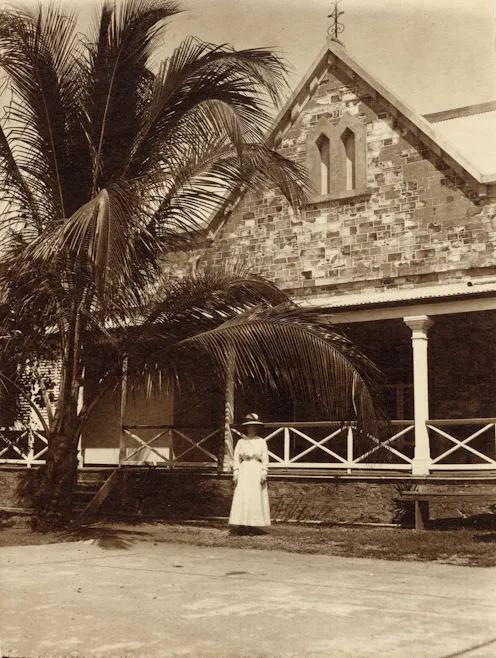
One of the ‘first white women’ to travel in the Northern Territory, Elsie Masson’s attitudes to the Aboriginal people she met expressed the contradictions of racial thought at this time.

From depictions of slavery to colonial massacres to contemporary portraits of refugees, photography is a powerful tool in evoking ideas of shared humanity.
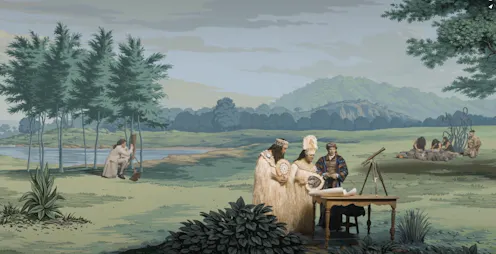
Lisa Reihana’s video installation Emissaries combines Indigenous actors and performance techniques to reenact Captain Cook’s encounters across the Pacific.
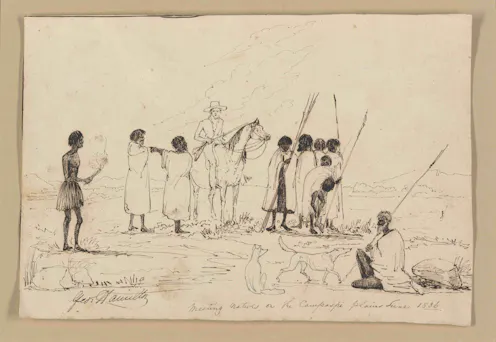
George Hamilton published An Appeal for the Horse in 1866, a defence of animal welfare well ahead of its time. However, his compassion for Aboriginal people was conspicuously lacking.
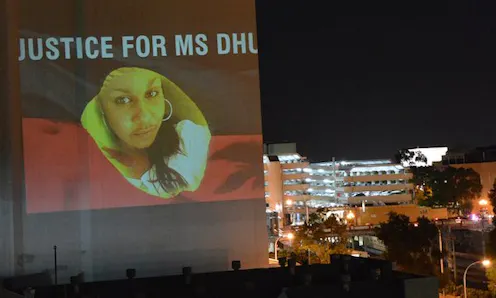
Noel Pearson has accused the ABC of racism in dwelling on indigenous alienation. But many advances in the status of Aboriginal Australians have been prompted by revealing ill-treatment, which is why Ms Dhu’s family want footage of her last hours made public.
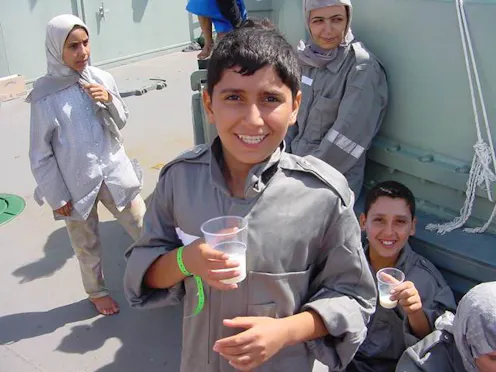
Images move us to act – as last week’s episode of Four Corners has shown. Our government has gone to great lengths to suppress photos that humanise asylum seekers – but when they seep out, empathy is aroused.
Contact Jane for
- General
- Media request
- Speaking request
- Consulting / Advising
- Research collaboration
- Research supervision
- Location: Perth, Australia
- Website
- X (formerly Twitter): @LydonJane
- Article Feed
- ORCID
- Joined
