
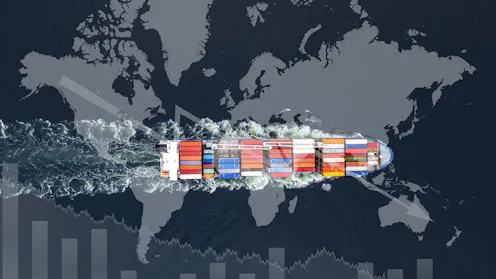
Changes to fundamental World Trade Organization rules are being driven by the US and EU. This week’s meeting in Cameroon could see developing nations lose out.
- Emeritus Professor of Law, University of Auckland, Waipapa Taumata Rau
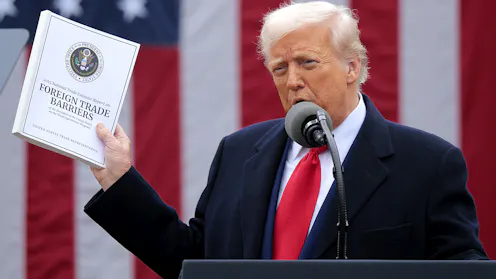
The US depends on imports of over 40 critical minerals and Donald Trump is looking for trade deals on his terms.
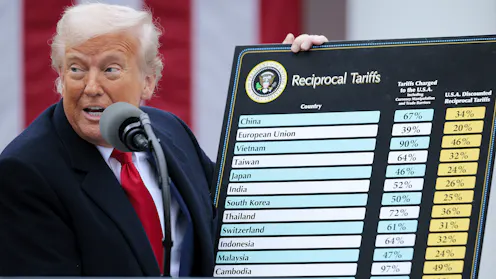
Under Donald Trump, the US is fundamentally remaking the rules of the global trade system, provoking an existential crisis in the WTO.
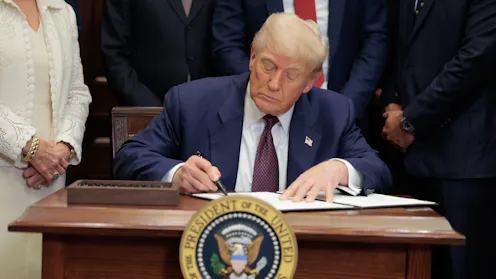
Governments are scrambling to cut deals before new US tariffs kick in on August 7. But with Trump using the process for political leverage, NZ must tread carefully.
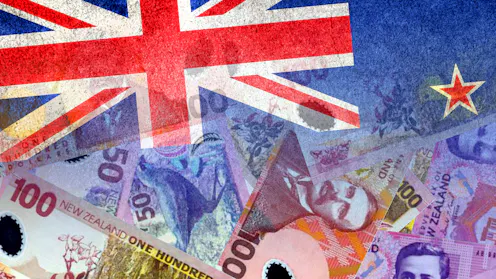
The law change may significantly reduce effective scrutiny of foreign investors and soften the ‘national interest’ test for approving applications.
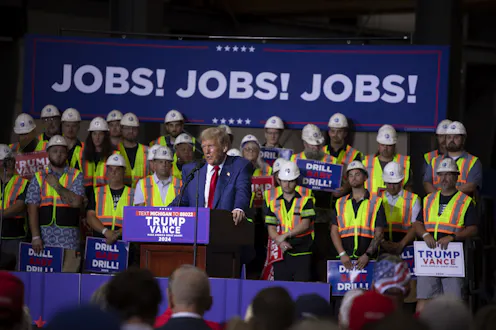
The US and others have been shifting the rules of the global free trade system for years. New Zealand can’t ignore the risks much longer.
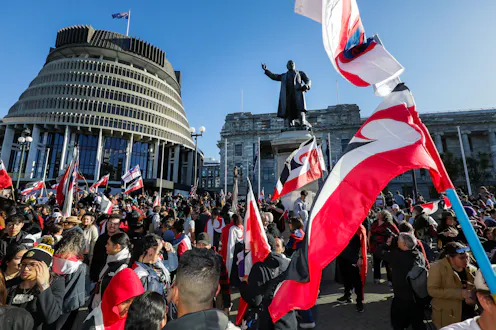
With ACT’s Treaty Principles Bill imminent, how much do we know about the current principles? And were they ever a proper reflection of the text and intent of te Tiriti?
If a future government wanted to block fast-tracked projects, it could trigger investor-state dispute settlement clauses built into existing trade agreements, with billions potentially at stake.
The recent World Trade Organization conference in Abu Dhabi has again failed to resolve any of the big issues on the table. Power relations rather than rule-based negotiation will fill the void.
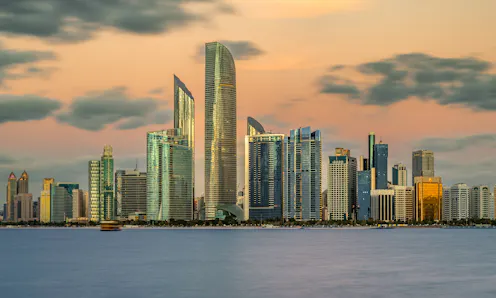
Power politics and lack of progress on vital issues mean there are low expectations for the World Trade Organization’s ministerial conference in Abu Dhabi next week.
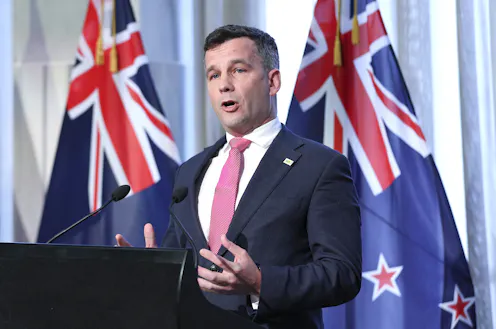
The ACT Party’s Regulatory Standards Bill will likely meet the same opposition it has in the past. And it will be a test of the new government’s commitment to genuine regulatory standards.
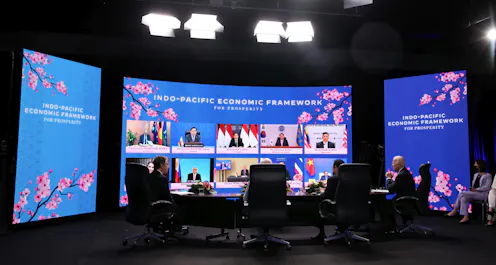
For years, New Zealand has tried to separate its economic dependency on China from its pro-Western strategic alliances. The new Indo-Pacific Economic Framework tests that balancing act even more.
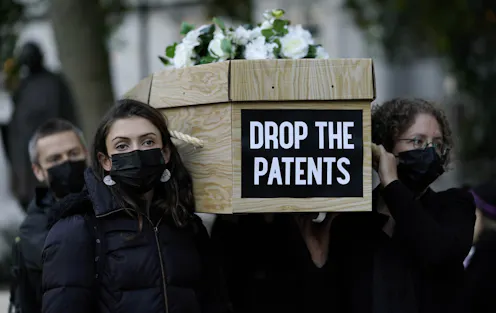
Only 14% of people in poorer countries have received one vaccine dose, but a leaked WTO ‘solution’ to waive patents fails to ensure developing countries can access life-saving vaccines and medicines.
Government modelling projects a mere 0.3% increase on current GDP when the NZ-UK free trade agreement comes into full force. Does that justify the concessions the deal makes?
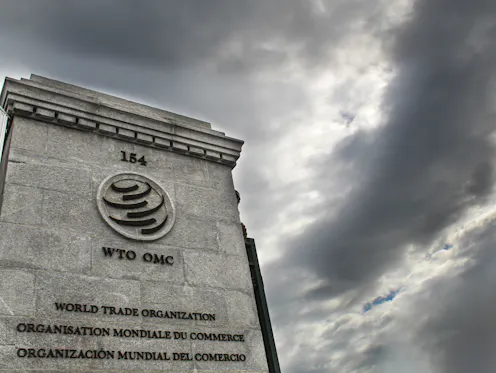
With the World Trade Organization’s 12th Ministerial Conference – arguably its most important ever – happening next week, attempts to keep it ‘on life support’ may be counterproductive.
New Zealanders won’t see the full text of the UK free trade agreement until it is signed, meaning it will proceed without open public debate – despite locking in constraints on future governments.
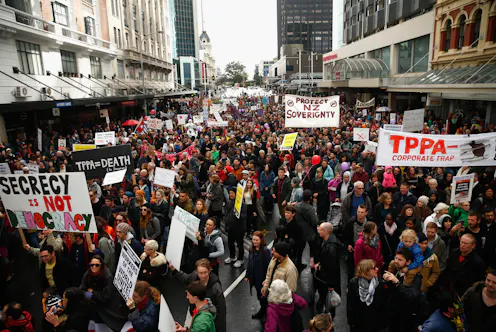
More countries, including a post-Brexit UK, are looking at joining the CPTPP free trade agreement. But the secrecy around negotiations makes serious analysis virtually impossible.

Wikileaks has shone the light yet again on behind-the-scenes manoeuvres by a core of governments seeking to advance a free market agenda in the guise of “trade”. The leaked text on financial services is…
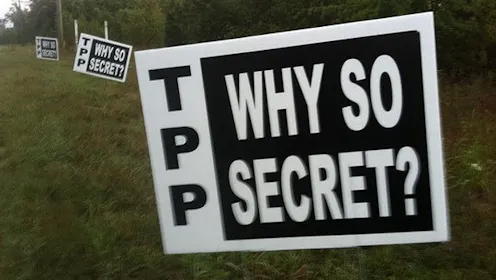
The secretive Trans-Pacific Partnership Agreement, a free trade agreement being hammered out between twelve countries, has received another broadside from Wikileaks. The third leak in three months, this…
Contact Jane for
- General
- Media request
- Speaking request
- Consulting / Advising
- Research collaboration
- Website
- Article Feed
- Joined
