

Having to account for spending on covert operations would make it more difficult for intelligence agencies to abuse their powers.
- Professor of Digital Society, University of Glasgow

The fact that the presidency is attempting to get away with minimal regulation of bulk interception raises doubt about its commitment to ending intelligence abuse.
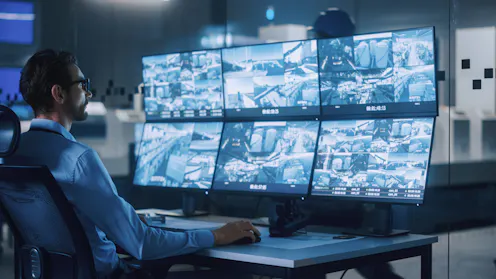
The bill seeks greater intelligence powers but neglects oversight.

The justice ministry had more than enough time to make the law constitutional. Failure to do so is an indictment on its leadership in the process.
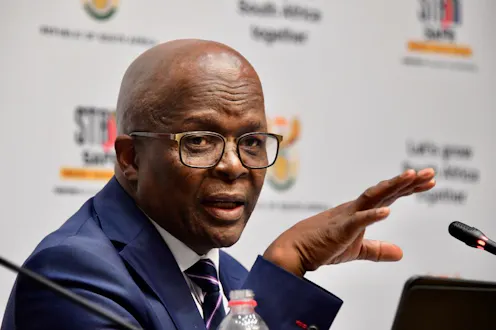
Having an intelligence service that is not fit for purpose means the country is vulnerable to security threats from within and outside the country.
The spy watchdog needs to make its findings on complaints against the country’s intelligence agencies public as a matter of principle.
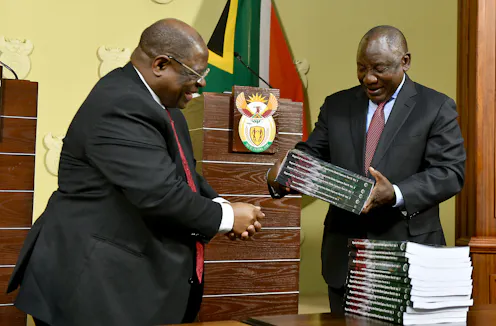
The commission could have made more of the evidence and been more categorical about when it thought criminality had taken place.
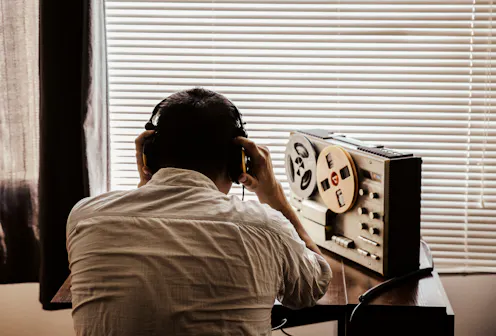
The judge responsible for authorising the covert monitoring of communications has found that claims by journalists that they were being spied on were credible.
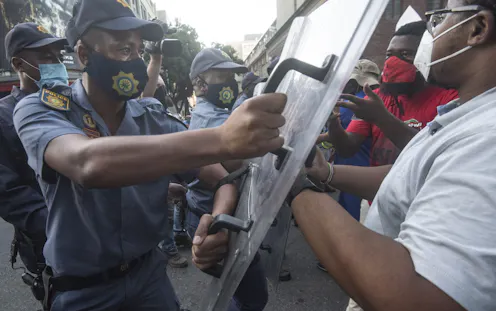
Instead of being a democratic right and legitimate form of expression, protests have increasingly been framed as threats to national security.

The Constitutional Court judgment is a huge victory, not only for journalists and lawyers who stand to benefit directly and immediately, but for broader society.

South Africa’s law that regulates the Interception of communications is being challenged on the basis it can be abused by rogue elements in intelligence.
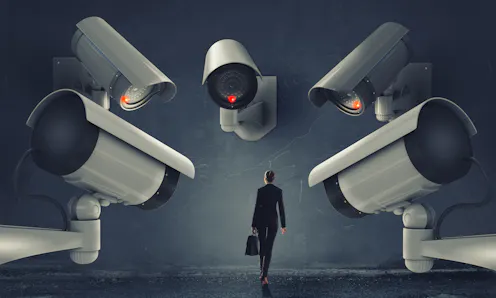
As CCTV cameras become more widespread, it’s becoming more difficult for people to protect their locational privacy in public.
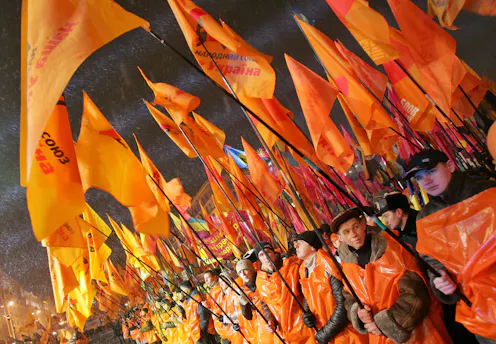
South Africa’s governing party is invoking concepts and emulating strategies first developed by authoritarian regimes in Eurasia.
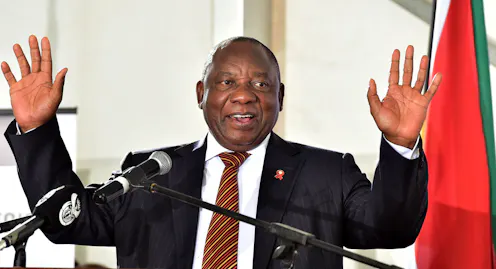
It would be no surprise if Deputy President Cyril Ramaphosa’s claims of the state spying on him turn out to be true. After all, state spy agencies have been abused before in ANC factional battles.
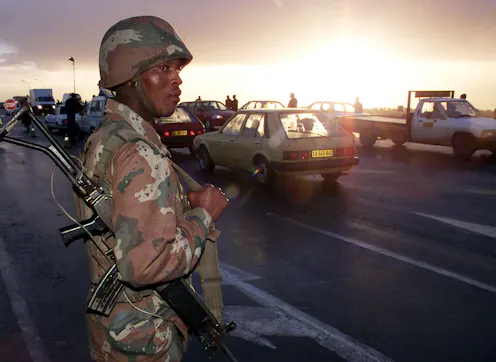
The domestic deployment of the military is almost always a sign of growing state repression.
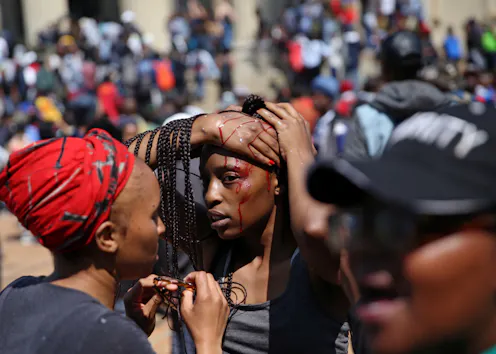
Protest movements become radicalised by two factors: escalating policing and competitive escalation between political adversaries and other protesting groups.
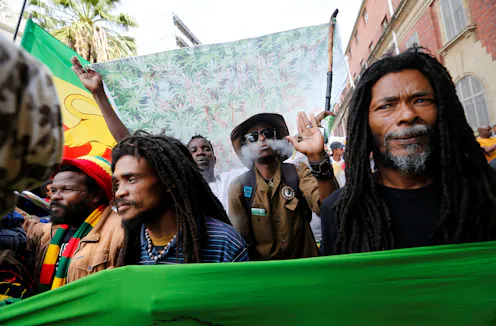
Despite protests in South Africa being largely peaceful, municipalities are placing unreasonable restrictions on the right to protest, which sometimes amounts to a veto of that right.
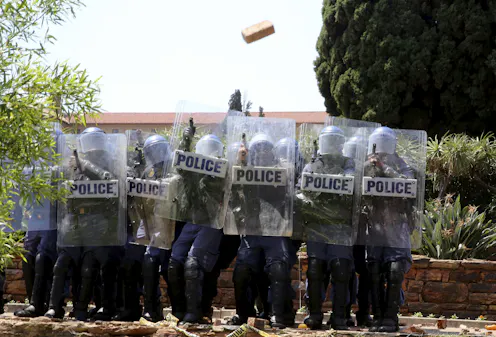
The #feesmustfall movement brought gains for democracy. As relatively free spaces for enquiry, universities have a public duty to fight, not facilitate, a slide into a national security state.
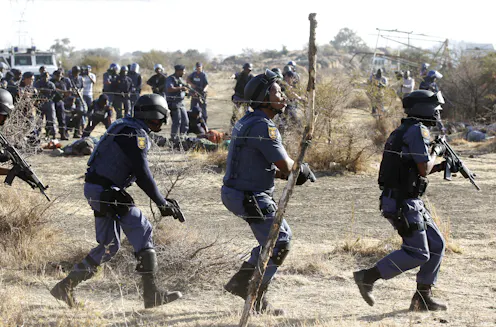
The Farlam Commission has called for implementation of plans to demilitarise the police to prevent a recurrence of the Marikana massacre. But, no-one, including Farlam, has set out what this involves.
Contact Jane for
- General
- Media request
- Speaking request
- Consulting / Advising
- Research collaboration
- Research supervision
- Location: Johannesburg, South Africa
- X (formerly Twitter): @duncanjane
- Article Feed
- ORCID
- Joined
