

New research suggests that with high levels of vaccination and immunity from previous infections, COVID antivirals are no longer working as well.
- Head of School of Population Health and Professor, Infectious Diseases Dynamics and Interventions, UNSW
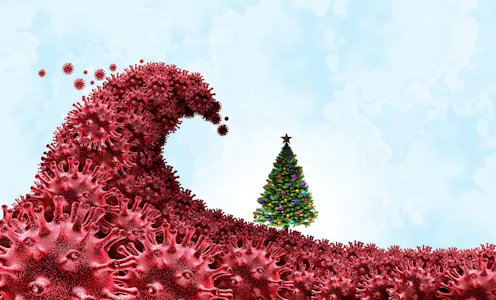
For some, the current peak of the wave has passed. For others, it’s more a slow rise in cases. Here’s what we can expect as the festive season approaches.

This is expected to be the smallest Omicron wave so far. But eligible older and vulnerable people are still recommended to have a booster.

As COVID finds its equilibrium, infection rates will rise and fall, influenced by seasons, school holidays and new subvariants. Managing the risk is complex and needs to be cost effective.
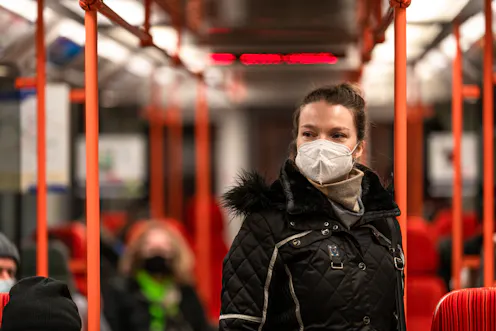
Australia is in the middle of its fifth Omicron wave, which has been brewing since February. But it’s been slow and drawn out and the health impacts are very different to earlier waves.
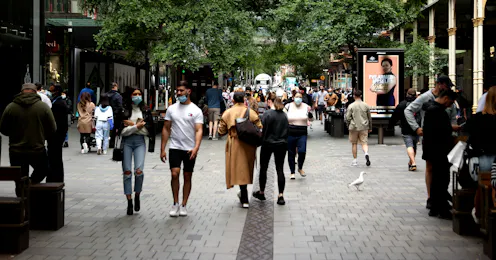
The evidence so far suggests this wave could be a shorter and smaller version of the Omicron BA.5 wave.
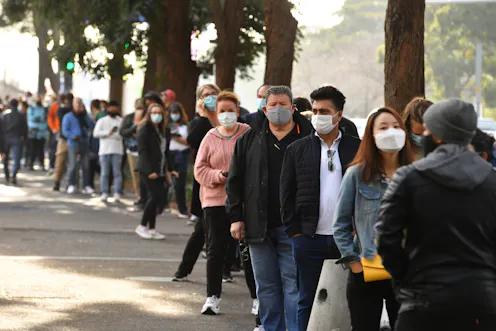
Once we achieve herd immunity, people who are not vaccinated benefit indirectly from the immunity of those around them. But it’s not easy to say exactly when we’ll reach this threshold for COVID-19.
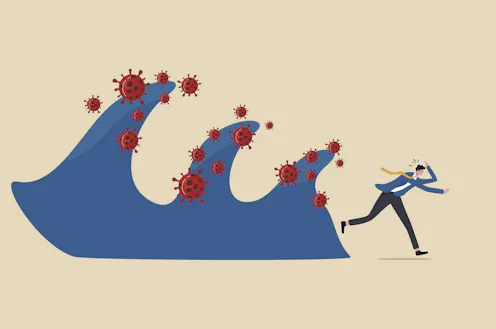
When an outbreak is brought under control, it’s possible only a small proportion of the population has been infected and gained immunity. This can set the scene for a second wave of infections later.
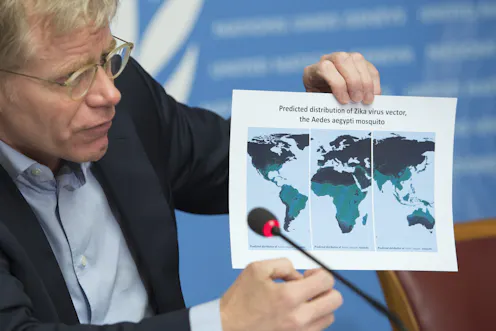
During a disease outbreak, lots of people can become infected in a short time and develop immunity, making it hard for the pathogen to spread.

When a high proportion of a community is immune it becomes hard for diseases to spread from person to person – a phenomenon known as herd immunity.
Contact James for
- General
- Media request
- Speaking request
- Consulting / Advising
- Research collaboration
- Research supervision
- Location: Sydney, Australia
- Website
- X (formerly Twitter): @JamesGWood_UNSW
- Article Feed
- Joined
