
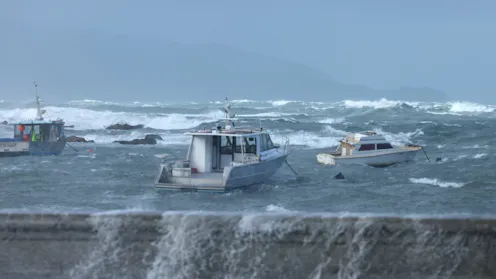
When trust in institutions is weak, emergency warnings can become entangled with narratives about government competency and bureaucratic overreach.
- Professor of Physical Geography (Climate Science), Te Herenga Waka — Victoria University of Wellington

Wellington’s extreme deluge was caused by an unfortunate combination of weather factors. But a warming climate is upping the odds of more of these events in future.
A run of damaging storms that has spoiled midsummer and caused floods and landslides isn’t bad luck, but a combination of local, regional and global drivers.

A burst of early-summer thunderstorms has swept across NZ, fuelled by unstable air and a shifting seasonal pattern. Here’s what it means for summer and beyond.

The government’s weakened methane reduction target mirrors the approach promoted by industry lobby groups but rejected by the Climate Change Commission.
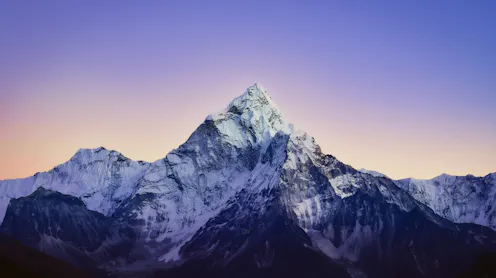
Warm air rises, but it also expands because air pressure decreases with height. The latter effect wins out and air becomes colder in the mountains.
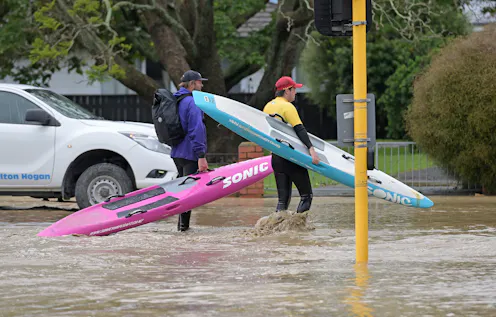
Climate change is adding energy to the atmosphere and the oceans. This in turn fuels more intense storms and heavy rainfall.

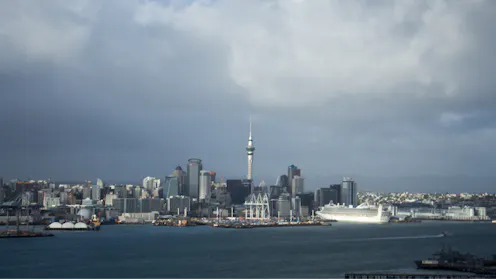
The more the climate warms, the heavier the storm rainfalls will become. The Auckland emergency shows how urgently adaptive measures are now needed.
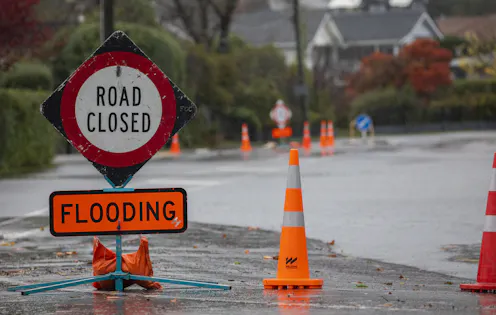
New Zealand’s climate has been changing in line with global trends over the last century, warming by 1.1°C. But unless we curb emissions fast, we can brace for more extreme downpours and droughts.
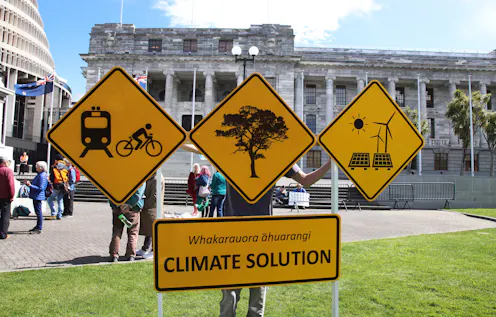
The Climate Change Commission releases New Zealand’s first comprehensive plan to cut emissions, calling on the government to “pick up the pace”.
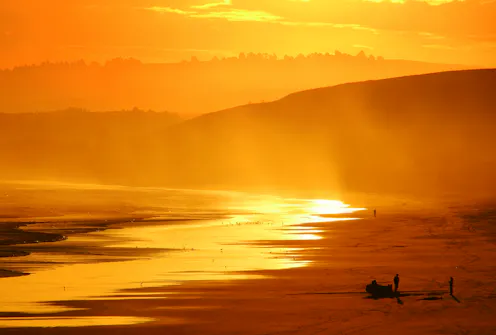
A new measure of average weather days in New Zealand puts the temperature on the rise, again.

Earth’s has gone through major climate changes in the past. They happened on time scales of millions of years and triggered mass extinctions. Our emissions are changing the climate much faster.
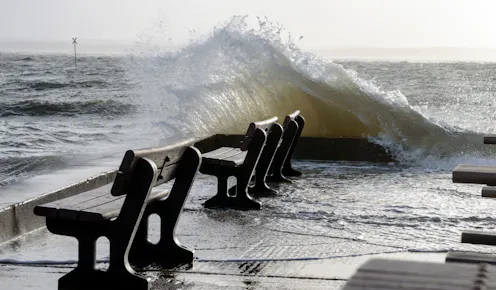
For every ten centimetres of sea level rise, the chances of a 100-year coastal flood increase three-fold. This means we’ll have to build flood defenses or retreat from the coast.

For the past two and a half million years, Earth has experienced regular ice ages, but with carbon dioxide levels now over 400 parts per million, the next ice age is postponed for a very long time.

Analysis of last summer’s heatwave shows it killed farmed salmon and decimated kelp forests, as well as shifting grape harvests and fish spawning times forward by several weeks.
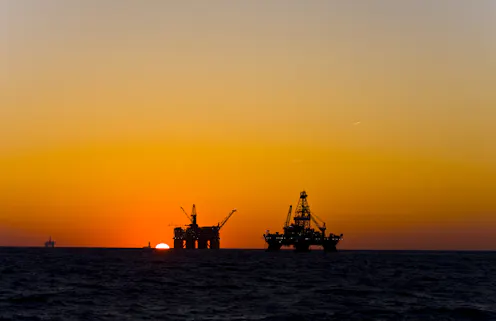
New Zealand has ruled out new permits for offshore oil and gas exploration as a step towards a transition to a carbon-neutral future.
Contact James for
- General
- Media request
- Speaking request
- Consulting / Advising
- Research collaboration
- Research supervision
- Location: Wellington, New Zealand
- Website
- X (formerly Twitter): @CubaRaglanGuy
- Article Feed
- ORCID
- Joined
