
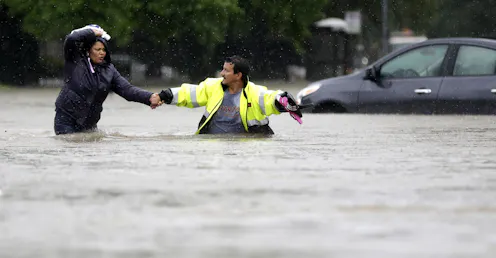
Computer models of the storm hitting different areas show how much damage is possible, yet flood maps still focus on where flooding is most likely instead.
- Professor of Sociology, Rice University
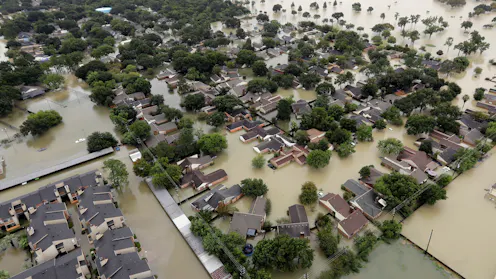
In general, people are moving to safer homes after disasters, but the vast majority are selling, meaning someone else is now taking on that risk. Buyout programs can help.
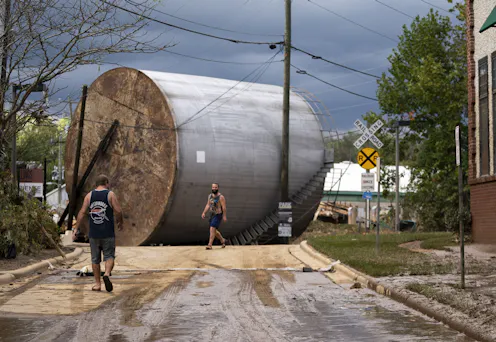
People living near these industries, as well as emergency responders, often have few details about the chemicals inside. New interactive maps pinpoint the risks.
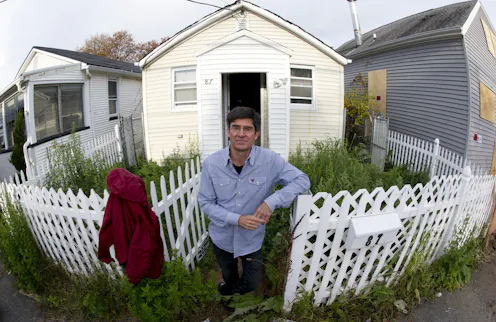
FEMA runs the largest managed retreat program in the country, Two disaster response experts looked at the demographics of who gets those buyouts and where they go.
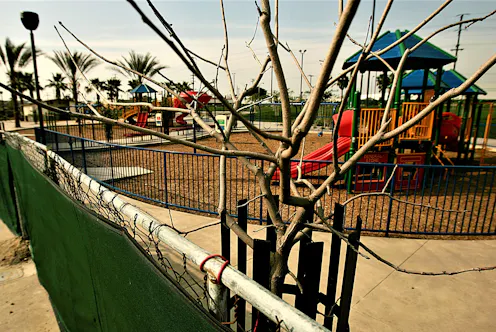
Climate change is colliding with old factory sites where soil or water contamination still exist, and the most vulnerable populations are particularly at risk.
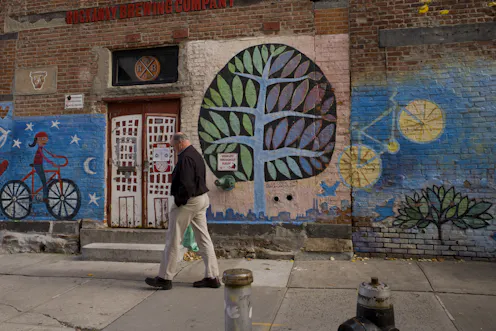
Many homes, parks and businesses in US cities stand on former manufacturing sites that may have left legacy hazardous wastes behind. A new book calls for more research into our urban industrial past.
Contact James for
- General
- Media request
- Speaking request
- Consulting / Advising
- Research collaboration
- Research supervision
- Location: Houston, Texas, U.S.
- Website
- Article Feed
- ORCID
- Joined
