
With a trillion-dollar trade surplus, is China’s goal really to make everything ‘better and cheaper’ at home? The reality is not so simple.
- Director and Professor, Australia-China Relations Institute (UTS:ACRI), University of Technology Sydney
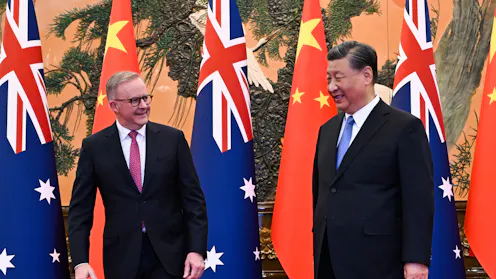
The PM will use his visit to China to focus on trade ties, while trying to avoid being dragged into growing geopolitical rivalry between Beijing and Washington.

Successive governments have reviewed the deal to lease the port to a Chinese company and found no cause for concern. Both major parties have made a sudden about-face.
Both countries are committed to what will be the first dialogue since 2021 when China suspended talks over the “belt and road initiative”.
Australian wine producers will face stiff competition and a significantly smaller market.
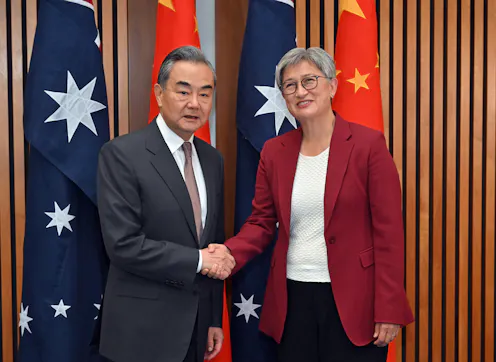
Differences between Australia and China will remain, but both foreign ministers this week stressed the need to manage them better to avoid another diplomatic freeze.

Australia’s flexible and proportionate response to the risks of research espionage and foreign interference balance security with the necessity of international collaboration.
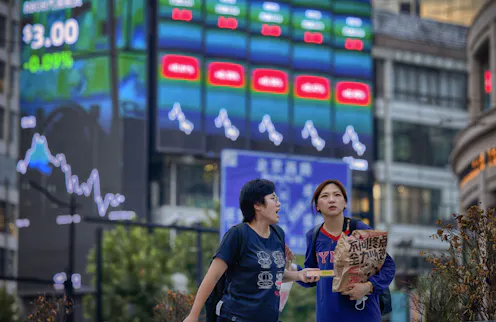
There are several good reasons why fears that a recession in China could spark a recession in Australia need to be kept in perspective.
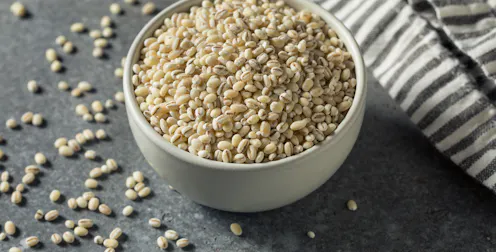
Abandoning its WTO case is a quicker path to getting Australian barley back into China. It could also be a template for resolving tariff disputes over other products, including Australian wine.
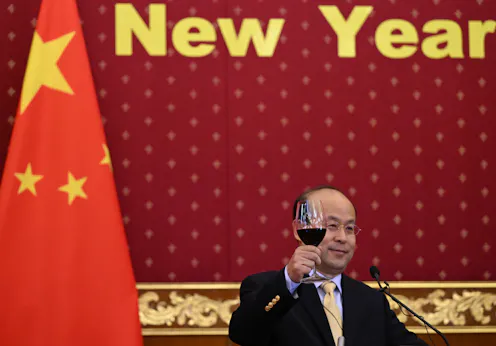
Now that diplomatic relations are out of the deep freeze, business and cultural ties between China and Australia are set for a major rebound.
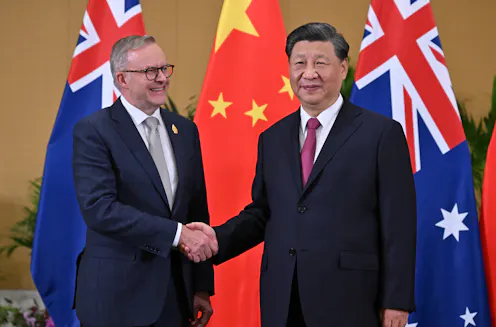
Canberra and Beijing’s assessments of their interests remain far from aligned. But as Albanese himself said, simply ‘having the meeting is a successful outcome’.
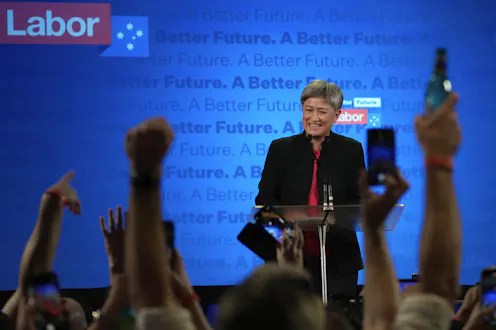
Beijing has form in using the arrival of a new government as an opportunity to undertake a face-saving adjustment.
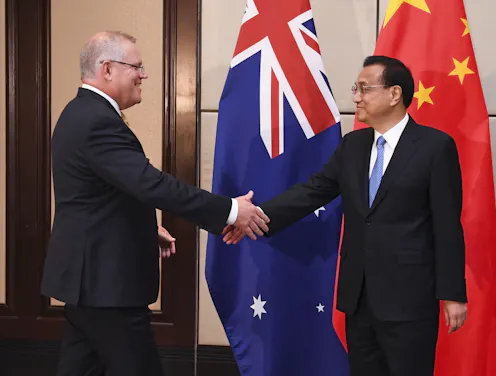
A new survey shows there is no material difference between the major parties’ China policies. Style and tone might be what matter, whoever wins the election.
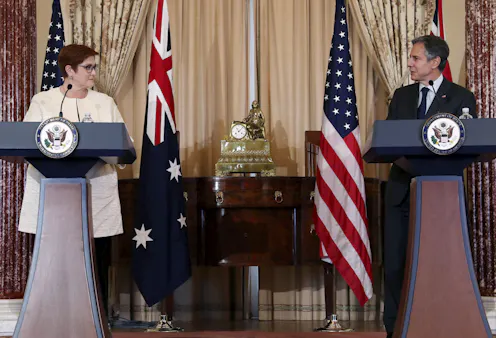
Australia desperately hopes this week’s AUSMIN meetings will see greater practical American support against ongoing trade strikes by China. But this might not be in Canberra’s best interests.
Beijing’s suspension of the China-Australia Strategic Economic Dialogue sends a strong signal it is prepared to escalate tensions.
As China’s influence and economic strength grows, it is unlikely to give middle powers like Australia more latitude to manage their relations with both Beijing and Washington.
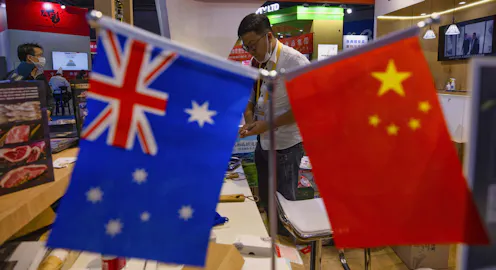
Australia has less to fear from China’s trade threats than some might think.
As diplomatic relations worsened in recent years, people-to-people ties remained strong. Now, however, it appears even academics and journalists are becoming ‘pawns’ in a great diplomatic tussle.
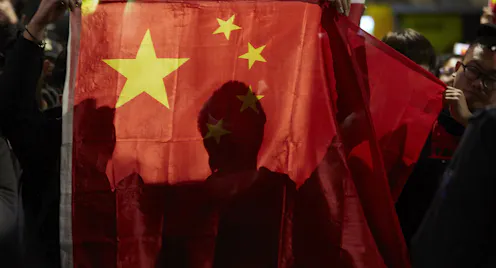
As the rhetoric around Chinese interference in Australia intensifies – most recently with the Gladys Liu allegations – Chinese-Australians have become ‘collateral damage’.
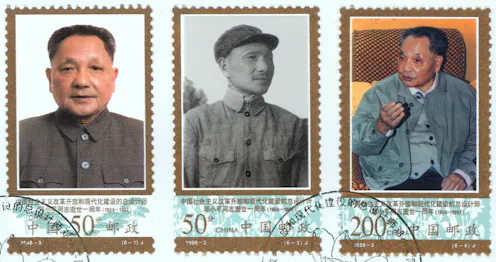
China is one of the world’s largest economies, and Deng Xiaoping was arguably the man who made that happen through his visions of economic reform.
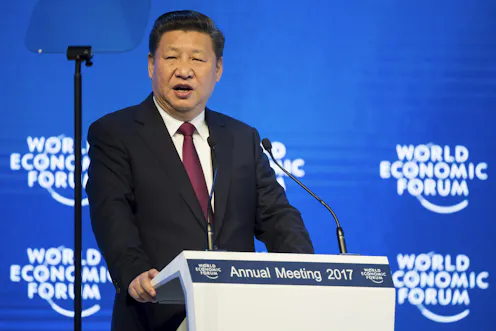
Xi Jinping is the first Chinese leader to attend the World Economic Forum and used his speech to denounce protectionism. But China’s trade liberalisation has stalled recently.

China’s private property market is to blame for rising debt, not government owned or controlled businesses, new research shows.
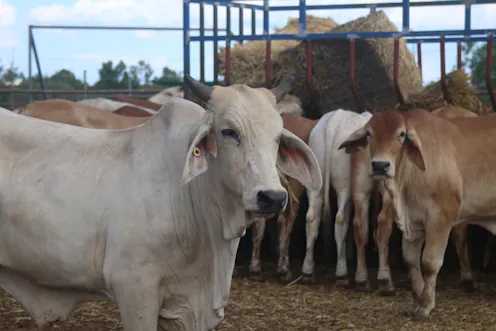
Australia is not mustering the exports of beef it should under the China-Australia Free Trade Agreement, a new report finds.
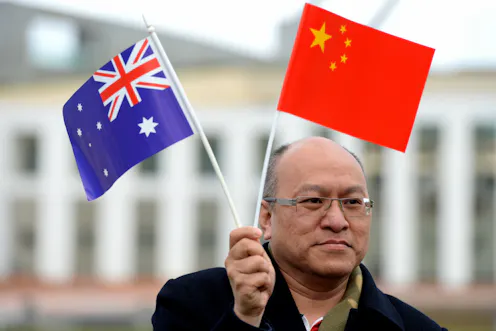
A survey has found that the percentage of foreign ownership is more worrying to Australians than the country-of-origin of the investment.
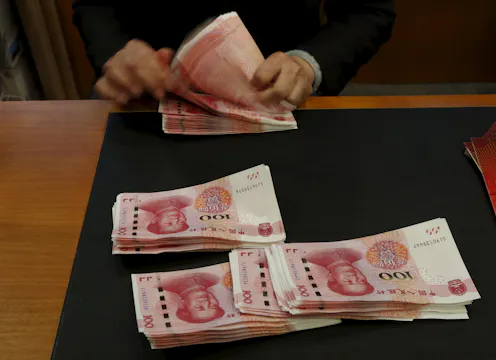
This week China compelled its banks to lend more money, a move interpreted as propping up its currency. But was it?
Contact James for
- General
- Media request
- Speaking request
- Consulting / Advising
- Research collaboration
- Research supervision
- Location: Sydney, Australia
- BlueSky: @j-laurenceson.bsky.social
- X (formerly Twitter): @j_laurenceson
- Article Feed
- ORCID
- Joined
