
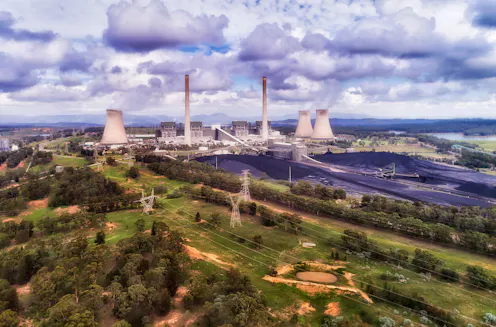
Grattan Institute analysis shows it’s possible to achieve a vastly lower-emissions electricity system in less than two decades – if governments can muster the courage.
- Associate, Grattan Institute
Reach net zero requires policies spanning energy, industry, transport, agriculture, land use, even trade. Climate change is a whole-of-government issue. It’s every minister’s problem.
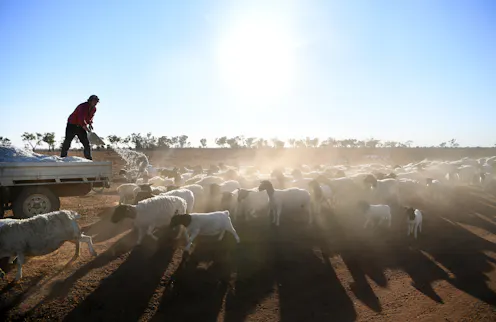
Some Nationals want agriculture carved out of any net-zero target. Cutting emissions from farms won’t be easy, but it’s essential.
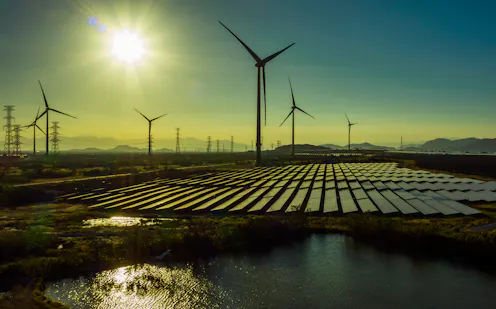
Some Australian states have committed to 100% renewable energy targets, or even 200% renewable energy targets. But this doesn’t mean their electricity is, or will be, emissions free.
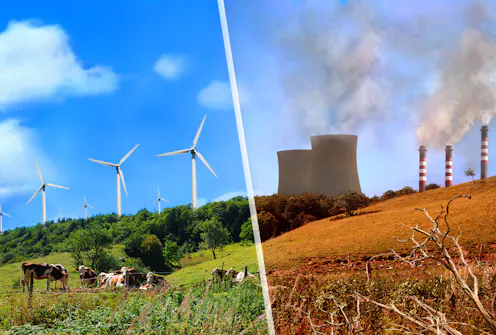
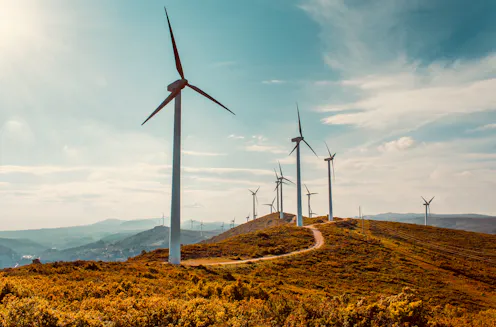
Electricity emissions can be cut to net-zero while keeping the lights on and prices down. But achieving that quickly means keeping gas around, for now.

Australia could grab a huge chunk of the world’s steel industry, and do it on the east coast, if it gets the technologies right.
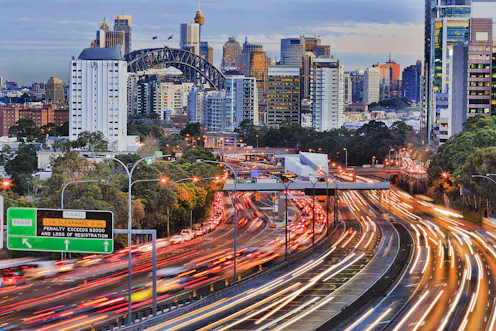
Commuters who drive to and from the CBD typically earn much more than most. Concerns about the fairness of charging drivers who use these busy roads at peak times are overblown.
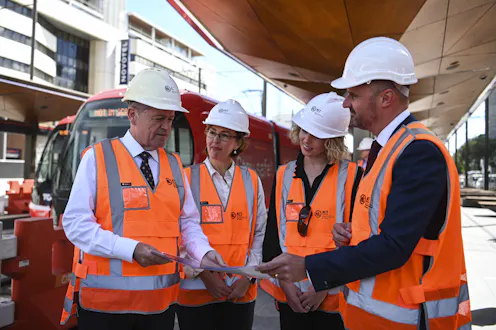
The major parties are promising tens of billions of dollars in transport spending, but only a handful of projects are on Infrastructure Australia’s national priority list with approved business cases.

The major parties are promising projects costing tens of billions of dollars, with a surprisingly large overlap between them. Yet only two have been endorsed by infrastructure authorities.
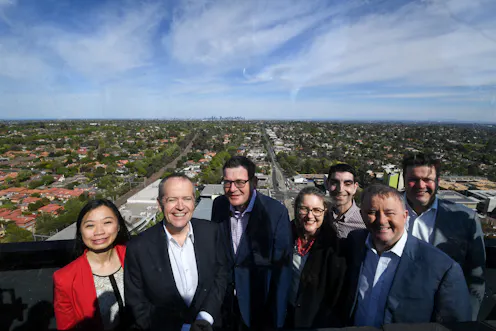
Whichever party wins, Victoria’s new government will have promised the biggest transport infrastructure project in Australian history. So what are the promises and are they backed by proper assessment?
Contact James for
- General
- Media request
- Speaking request
- Consulting / Advising
- Research collaboration
- Location: Melbourne, Australia
- X (formerly Twitter): @jams_ha
- Article Feed
- Joined
