
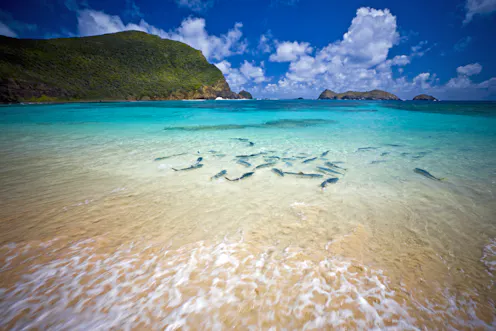
With strategic planning, the marine protected area network could be a third smaller, cost half as much, and still meet the international target of protecting 10% of every ecosystem.
- Postdoctoral research fellow, School of Biological Sciences, The University of Queensland
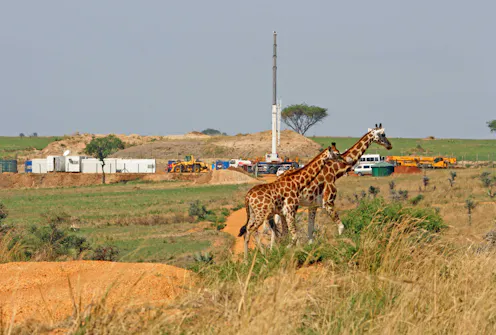
New research looked at human impacts on more than 5,000 threatened species and found that a quarter of them have almost nowhere left to go to escape from the threats posed by human development.

Más de dos tercios de las áreas vírgenes que quedan en el planeta están en manos de sólo cinco países, según un nuevo mapa mundial. En necesario un esfuerzo de conservación unánime para salvar los últimos espacios salvajes de la Tierra.
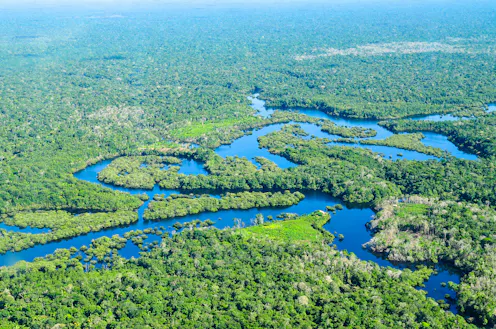
More than two-thirds of Earth’s remaining wilderness is in the hands of just five countries, according to a new global map. A concerted conservation effort is needed to save our last wild places.
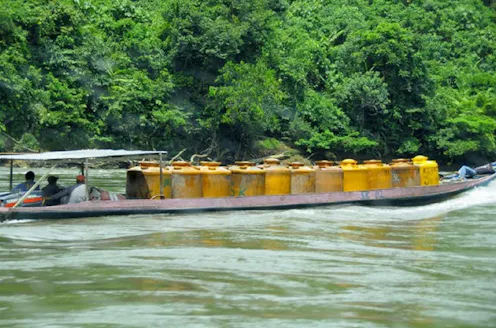
Hace 146 años, el Parque Nacional de Yellowstone, en Estados Unidos, se convirtió en la primera zona protegida del mundo. Hoy hay más de 200.000 reservas naturales.

The world’s national parks cover an area bigger than South America. But a new survey finds that one-third of this area is subject to pressure from human developments, potentially putting wildlife at risk.

The destruction of a massive haul of illegal ivory was supposed to send a message to poachers and those who trade in the tusks. Did they notice, or can the ivory be used to help elephant conservation?
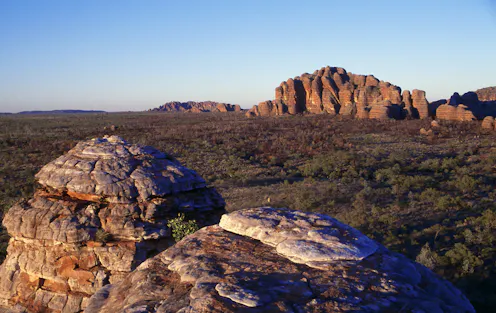
Wilderness areas are vitally important, yet are largely overlooked by the United Nations’ list of natural World Heritage. This week’s meeting in Poland is a chance to redress that balance.
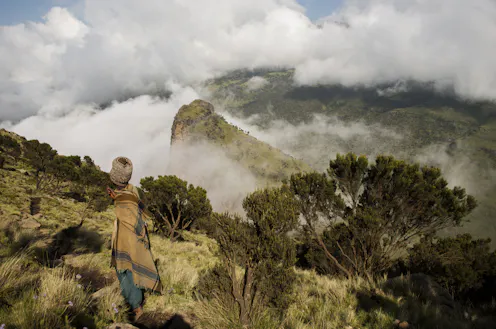
You’d hope we wouldn’t flatten the pyramids to build a highway. But that’s exactly what’s happening to the world’s natural heritage sites.

Since 1992, an area of land two-thirds the size of Australia has been converted to human use.
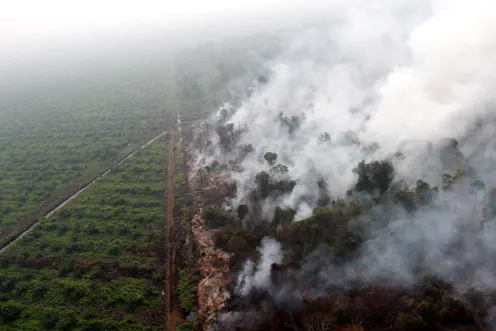
The world has lost 10% of its wilderness areas in the past 20 years and, with it, vast stores of carbon.
Contact James for
- General
- Media request
- Speaking request
- Consulting / Advising
- Research collaboration
- Research supervision
- Location: Brisbane
- Website
- X (formerly Twitter): @jamesecology
- Article Feed
- Joined
