

Imagine using tailored soundscapes to restore ecosystems, simply by amplifying recordings of sonic cues that attract wildlife, stimulate plant growth and rebuild relationships between species.
- Ecologist and Researcher, Flinders University
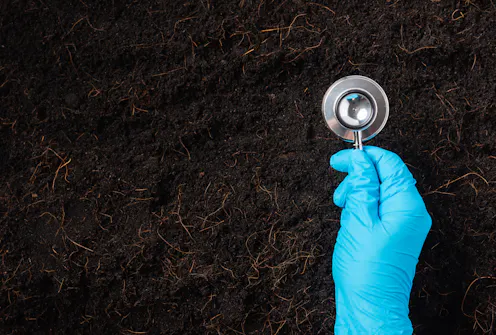
By listening to the “heartbeat” or soundscape of soil, we can learn more about its condition. Think of poor soil as a lifeless party. Healthy soil is where you’ll find the good vibes and chatter.
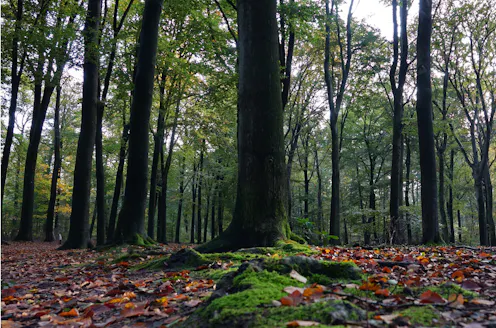
Acoustic technology allows us to listen to the sounds produced by the creatures in forest soils. A new study shows it’s a reliable way to monitor the biodiversity and health of the soil and forest.

Where does your city rank?
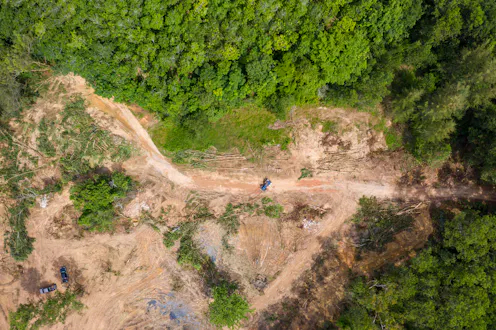
Exposure to diverse microbes boosts our immunity, while spending time in nature restores wellbeing. And COVID reminds us of the risks of new viruses when we intrude on and degrade natural habitats.

From discovering hidden populations of vulnerable newts to dropping “seed bombs”, two new research papers show how genomics and drones help restore threatened ecosystems.

A fear of microbes, like germs, could be harming human health.

Invisible to the eye, the microbial life in the air around us can vary depending on our environment.

We must turn pledges into immediate action and restore our ecosystems on a global level.

Scientists find inequality between humans also harms the birds, the bees, the microbes and the trees.

Rich and diverse microbiomes in our local environment are important for keeping us healthy.
Here’s how to make sure nature-based prescriptions are actually effective.
Contact Jake for
- General
- Media request
- Speaking request
- Consulting / Advising
- Research collaboration
- Research supervision
- Location: Adelaide
- Website
- X (formerly Twitter): @_jake_robinson
- Article Feed
- ORCID
- Joined
