
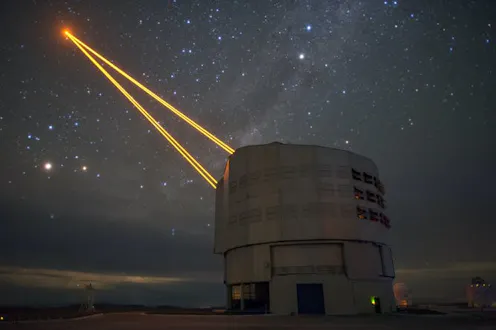
Bagaimana bintang-bintang bisa berkelap-kelip di langit malam? Ternyata, jawabannya penuh dengan udara panas… dan udara dingin.
- PhD Candidate, University of Southern Queensland

Les atmosphères peuvent être de toutes les couleurs, en fonction de ce qu’elles contiennent.

Jawabannya berkaitan dengan bagaimana cahaya dari Matahari tiba ke Bumi melewati atmosfer.
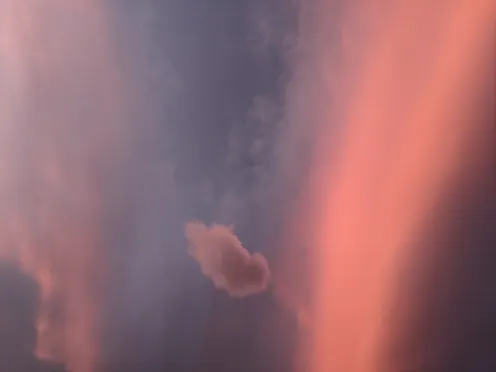
It’s all to do with the light from the Sun and a blanket of air wrapped around Earth called the ‘atmosphere’.
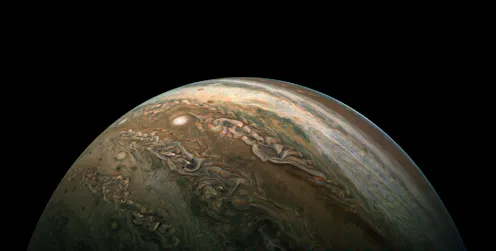
Warna atmosfer tergantung pada zat apa yang ada di dalamnya.
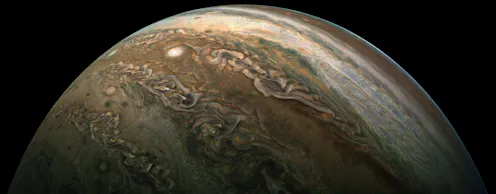
Atmospheres can be all different colours, depending on what’s in them.
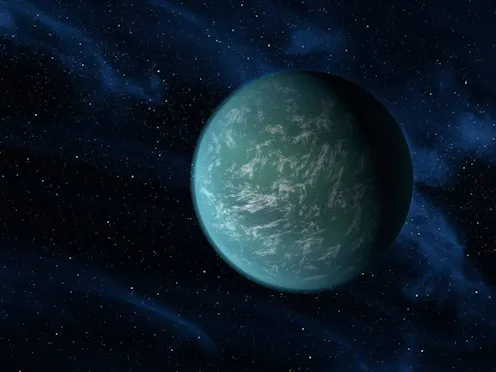
Life could exist in another solar system in a different part our galaxy. Or in another galaxy far away. We don’t have the perfect technology yet to study such far away places but we’re still trying.
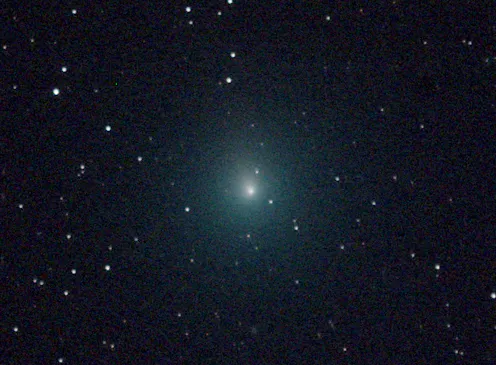
The comet 46P/Wirtanen is just 1.2km in size but it should be visible in the night sky this Saturday as it makes a close approach to Earth this year. And don’t forget the Geminids meteor shower.
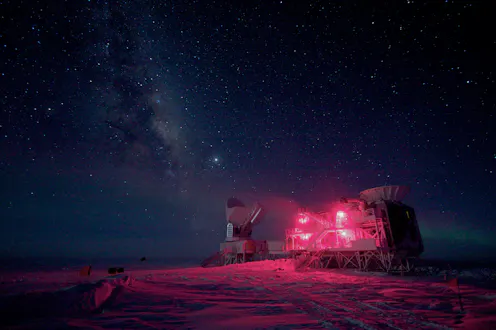
Long ago in the distant past, our entire Universe was microscopic – just like an atom – and obeyed completely different rules of cause and effect.
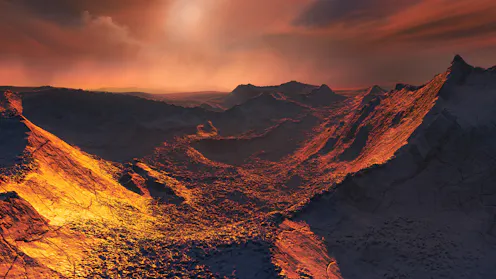
The new planet is believed to be orbiting Barnard’s Star, a red dwarf that’s not visible to the naked eye but one of the closest stars to our Solar System.
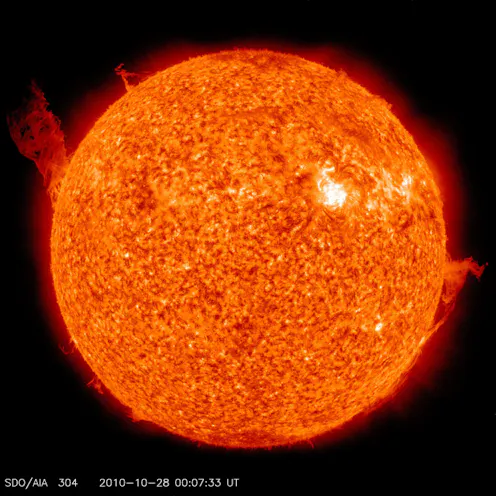
There are lots of places where it’s much, much hotter than the Sun. And the amazing thing is that this heat also makes new atoms - tiny particles that have made their way long ago from stars to us.
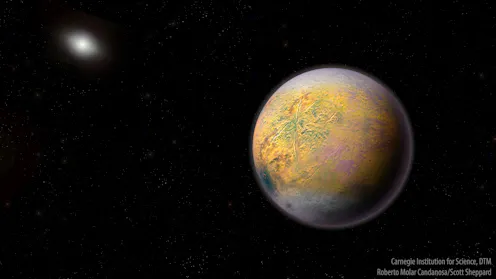
Whether you call it Planet X or Planet Nine, talk of another planet lurking in our Solar system won’t go away. So what does the discovery of a new object – nicknamed “The Goblin” – add to the debate?
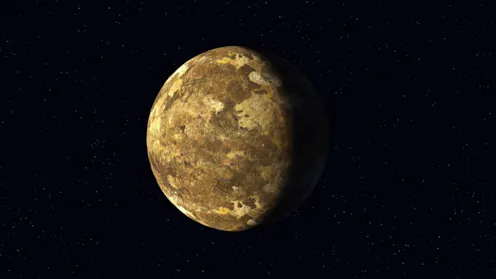
Google’s artificial intelligence has been taught to look for planets around other stars. It’s already making new discoveries that scientists have missed.
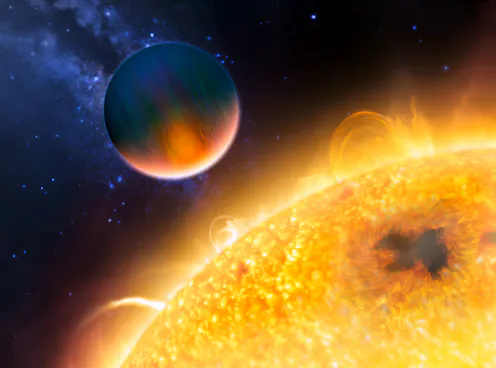
A solitary planet in an eccentric orbit around an ancient star may help astronomers understand exactly how such planetary systems are formed.
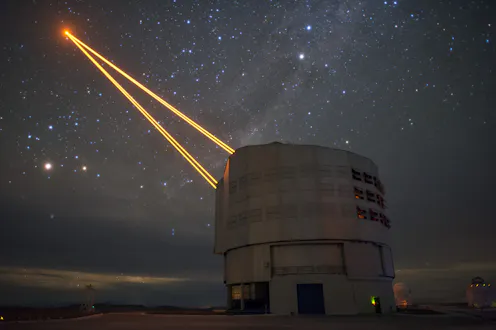
How exactly do the stars twinkle in the night sky? As it turns out, the answer is full of hot air… and cold air.
Contact Jake for
- General
- Media request
- Speaking request
- Consulting / Advising
- Research collaboration
- Location: Toowoomba, Queensland
- Website
- X (formerly Twitter): @spacejayk
- Article Feed
- ORCID
- Joined
