

Malaria is still endemic in Africa.
- Principal Medical Scientist and Head of Laboratory for Antimalarial Resistance Monitoring and Malaria Operational Research, National Institute for Communicable Diseases
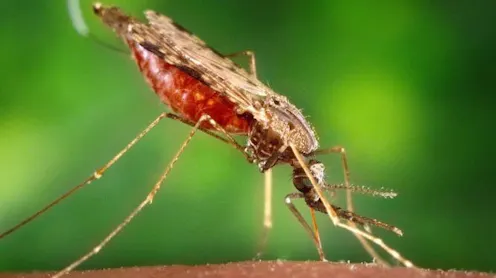
Les moustiques Anopheles transmettent le paludisme.
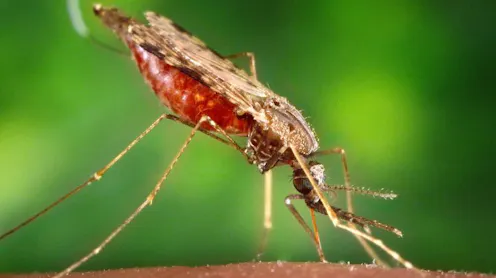
Anopheles mosquitoes transmit malaria.
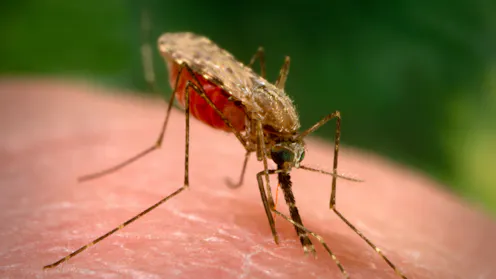
Mosquitoes are the world’s most dangerous animal. It’s important to know how to avoid malaria.
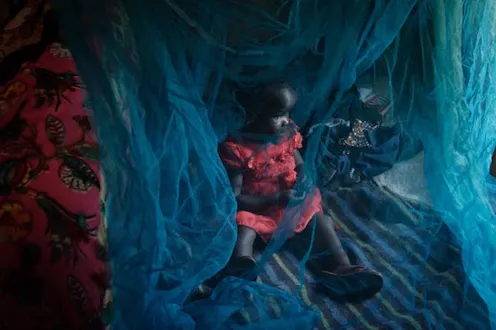
Chaque année, 40 millions d'enfants naissent dans des régions d'Afrique touchées par le paludisme. Deux nouveaux vaccins sont des armes importantes dans la lutte contre cette maladie.
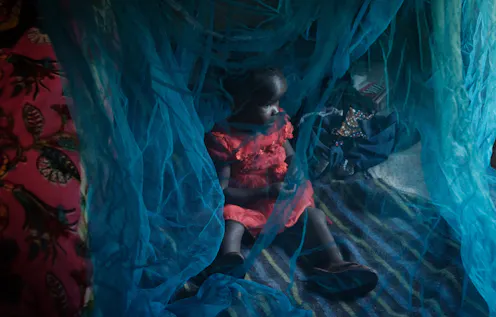
Forty million children are born in malaria areas across Africa each year. Two new vaccines are important weapons in the fight against the disease.
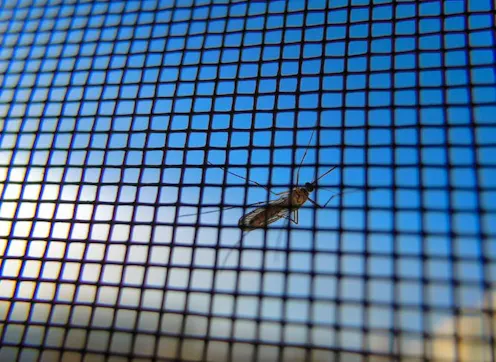
Des méthodes ne faisant pas appel aux insecticides sont nécessaires pour renforcer la lutte contre les maladies transmises par les moustiques.
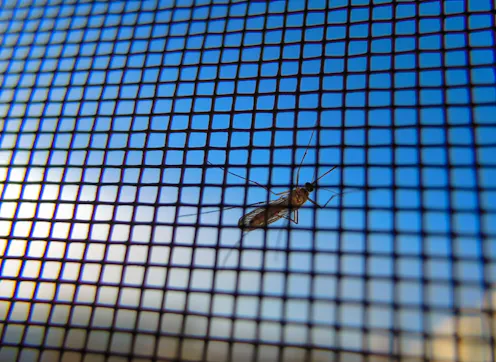
Methods that don’t rely on insecticides are needed to bolster the fight against mosquito-borne diseases.
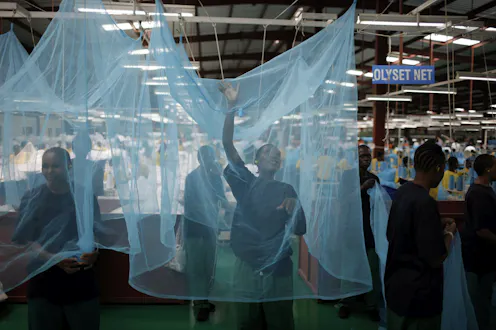
Los programas nacionales de control de la malaria en el continente africano han demostrado una gran resiliencia a pesar de los retos económicos y la competencia con otros objetivos sanitarios. En la actualidad, se enfrentan a nuevos desafíos.

Dalam bentuknya yang sekarang vaksin ini hanya bekerja sangat efektif pada anak-anak yang sangat muda, berusia antara 5-17 bulan.
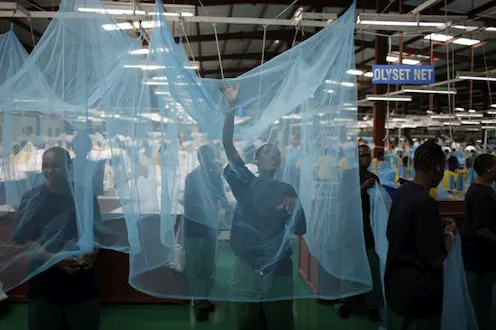
Malgré les perturbations, les programmes nationaux de lutte contre le paludisme ont fait preuve d'une résistance impressionnante.
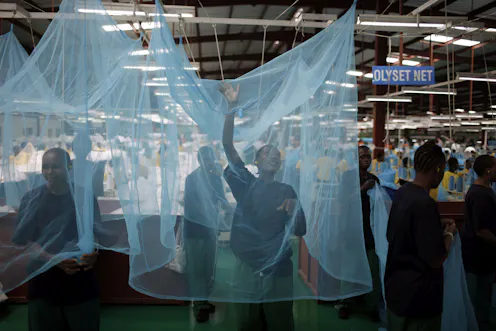
There have been disruptions. But national malaria control programmes have shown impressive resilience.
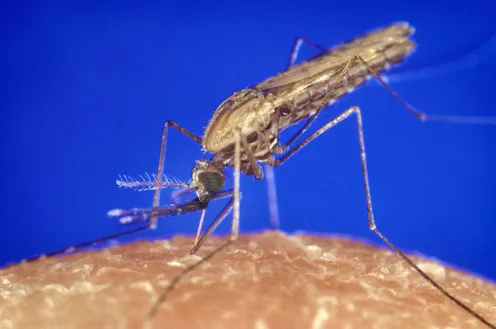
As the Earth warms up the malaria vector will develop faster, allowing them to breed faster, bite more frequently and expand into formerly unsuitable habitats.
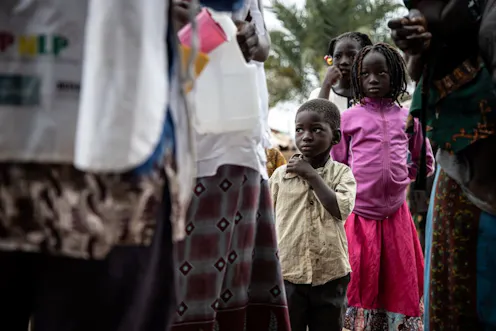
There are many reasons that malaria is so persistent in Africa. Four of them are poverty, human movement, resistance and climate change.
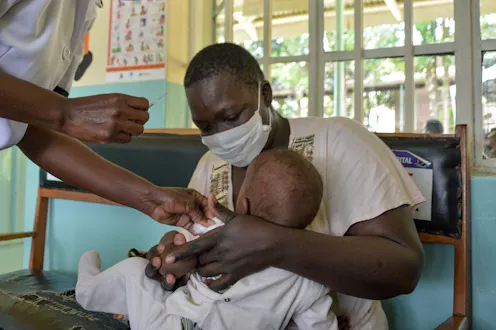
Le premier vaccin contre le paludisme, Mosquirix, a été approuvé par l'OMS en 2021. Brian Ongoro. AFP via Getty Images.
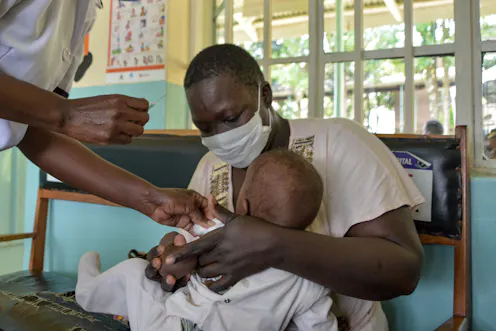
For a malaria vaccine to have an impact, health promotion is key. Awareness campaigns must address safety concerns and emphasise expected positive impacts.
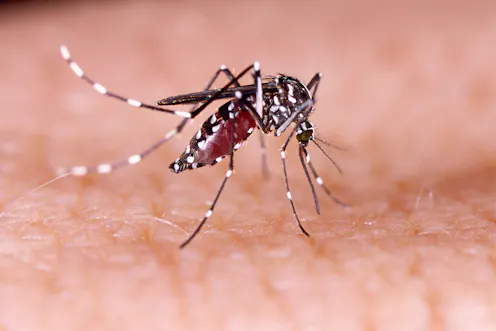
It is estimated that half of world’s population is at risk of being infected by an arbovirus.
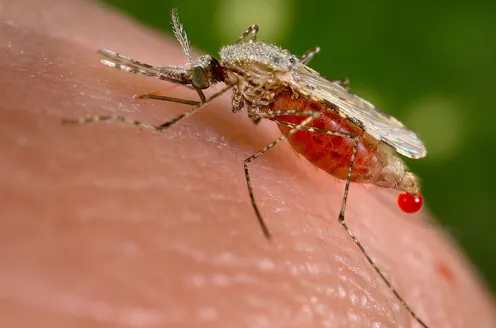
The spread of this urban malaria vector species threatens the gains made against malaria and the achievement of malaria elimination.
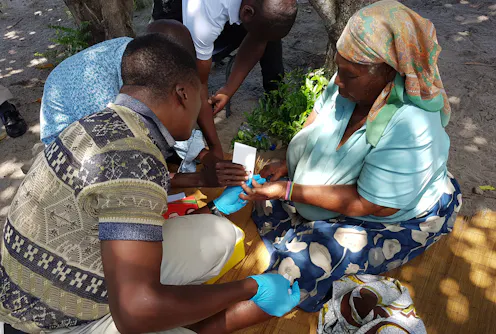
South Africa is one of the few malaria-endemic countries in Africa that did not see a major upsurge in malaria cases caused by COVID-related disruptions.
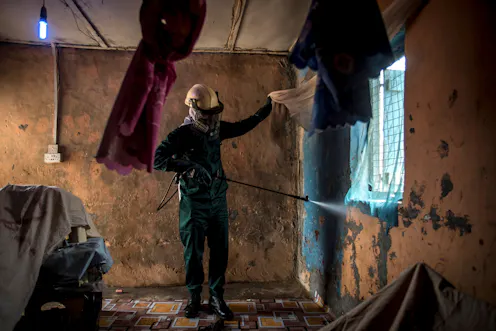
Like the coronavirus causing the current pandemic, both the malaria parasite and mosquito vector are developing ways to avoid control.
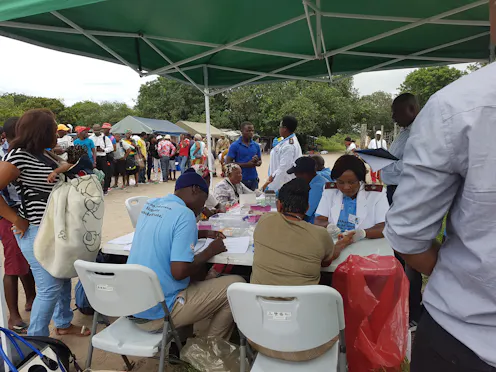
The South African Malaria Control Programme is one of the few on the continent that is entirely funded by government. The stable source of funding has allowed for steady malaria control interventions.
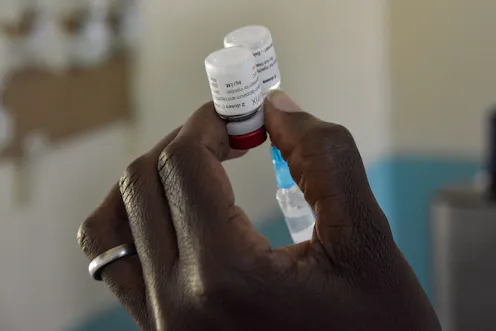
The successful development of an effective vaccine against the deadliest form of malaria that is most common in sub-Saharan Africa is indeed a major achievement.
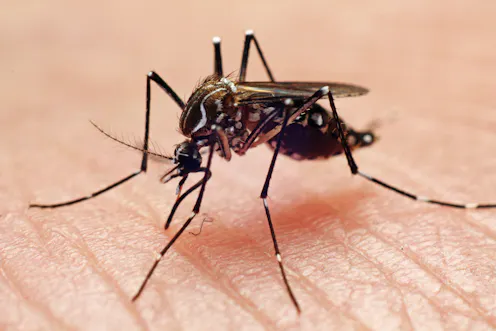
Mosquitoes are among the deadliest animals in the world. Half of the deaths attributed to them are associated with malaria. But they carry other parasites and viruses that threaten human health.
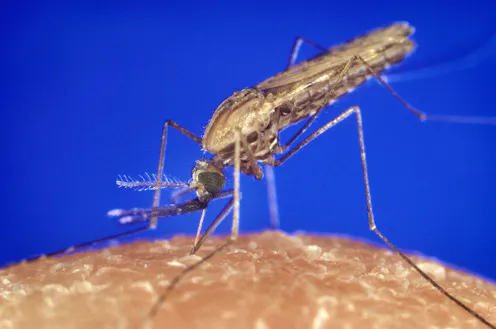
Southern African Development Community countries are very connected. Highly mobile and migrant populations frequently cross borders, posing significant challenges to reaching a malaria-free region.
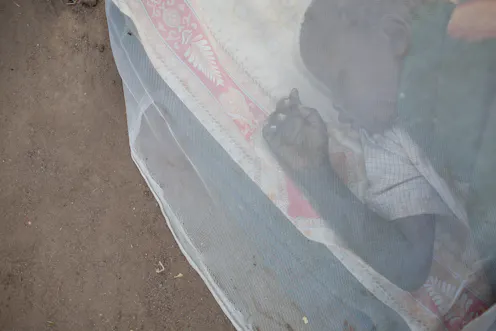
On this continent, a child dies from malaria every two minutes. This is an unacceptable reality for a treatable and preventable disease.
- Location: Johannesburg, South Africa
- X (formerly Twitter): @raman_jaishree
- Article Feed
- ORCID
- Joined
