

Pessoas de muitas culturas diferentes em todo o mundo e ao longo de milênios concordam amplamente sobre quais partes do corpo são mais valiosas e quanto de compensação elas merecem quando feridas.
- Associate Professor of Psychology, University of California, Los Angeles

People from many different cultures across the globe and across millennia largely agree about which body parts are most valuable – and how much compensation they warrant when injured.
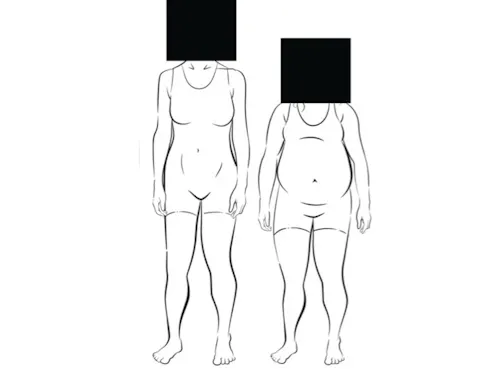
While excess weight arises from a complex interplay of genes, environment, diet and activity, new research finds Americans hold parents responsible for excess weight in their kids.

Some reasons people oppose abortion seem to be at odds with other positions they hold. Evolutionary social science points to a surprising motivation for anti-abortion attitudes.

A new study finds that women are just as likely as men to assume something’s wrong with a woman who decides she wants to sleep with a handful of partners.

Recent research explores how women ‘dress defensively’ to avoid the aggression of other women.

Many Americans have a distrust of atheists. A group of researchers found that some of the distrust relates to beliefs about atheists’ family values.
Contact Jaimie for
- General
- Media request
- Speaking request
- Consulting / Advising
- Research collaboration
- Research supervision
- Location: Los Angeles, California, U.S.
- X (formerly Twitter): @JaimieKrems
- Article Feed
- ORCID
-
- Joined
