
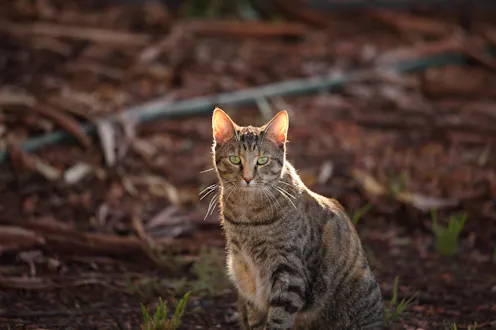
Cats kill a staggering 1.7 billion native animals each year, and threaten at least 120 species with extinction. Five experts analyse a parliamentary report on the problem.
- University Fellow in Biodiversity, Charles Darwin University
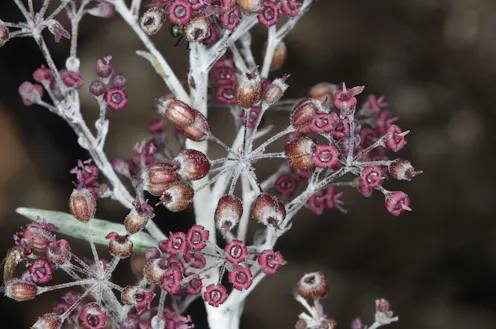
Australia’s plants help make our landscapes unique. But many are in grave danger of extinction, and in many cases, the problem is getting worse.
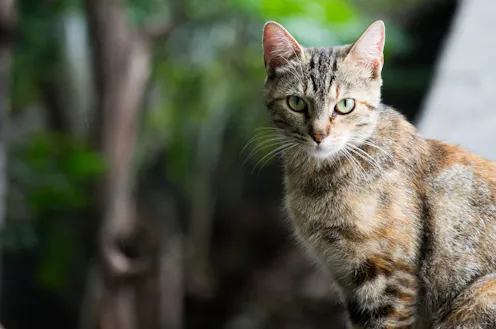
When cats were introduced to Australia, they brought several diseases with them. These diseases are taking a big toll on human health and the economy — but there are things we can do.
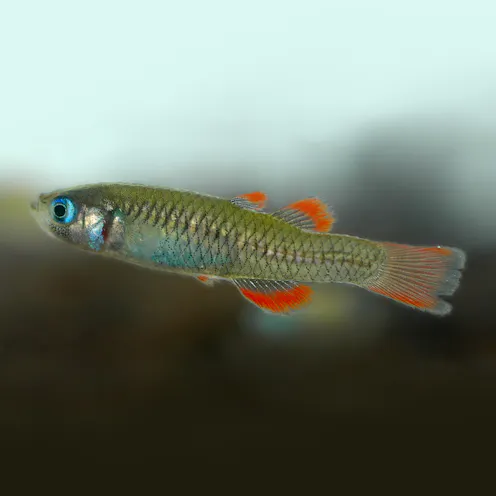
Twenty of these freshwater fish species have a 50% or greater probability of extinction within the next 20 years.

Small mammals in northern Australia have been rapidly vanishing for the last 30 years, and scientists weren’t sure why. Now, a major new study found feral livestock are largely to blame.
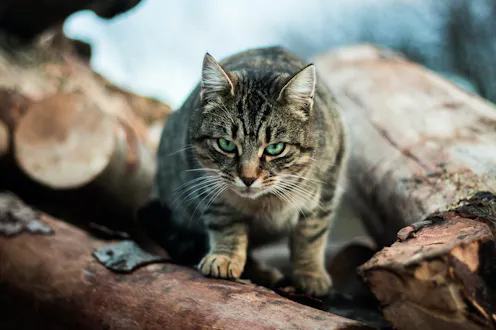
Roaming pet cats kill 390 million animals per year in Australia. Most of the animals are native to Australia.
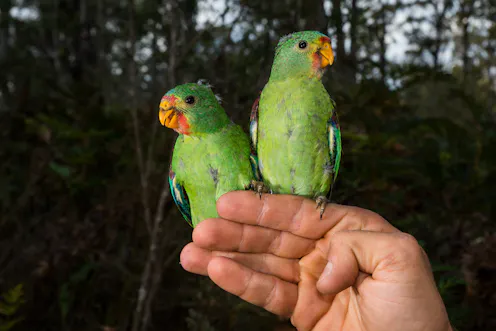
Australia’s threatened birds have declined by 59%, on average, between 1985 and 2016 based on 400,000 surveys at more than 17,000 locations according to Australia’s world-first Threatened Bird Index.
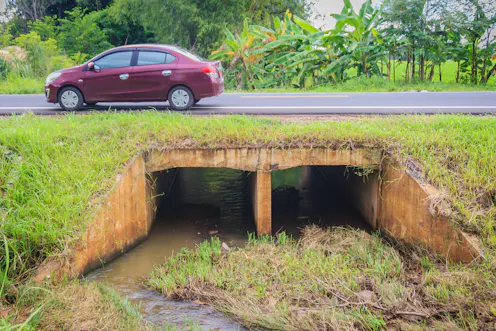
Our new invention tackles one of the greatest impediments to fish migration in Australia: culverts, those tunnels or drains often found under roads.
Contact Jaana for
- General
- Media request
- Speaking request
- Consulting / Advising
- Location: Brisbane, Australia
- Website
- LinkedIn: jaana-dielenberg/
- Article Feed
- ORCID
-
- Joined
