
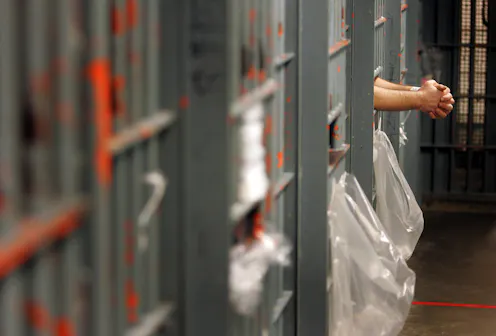
Prisons and jails are difficult to evacuate when wildfires or storms approach. Many of these facilities lack evacuation plans and may keep incarcerated people on-site instead of moving them to safety.
- Assistant Professor of Sociology, University of Houston
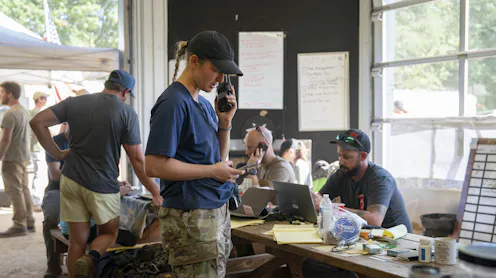
They aren’t just operating boats and helicopters. Others serve as dispatchers, handle logistics, and run social media operations.
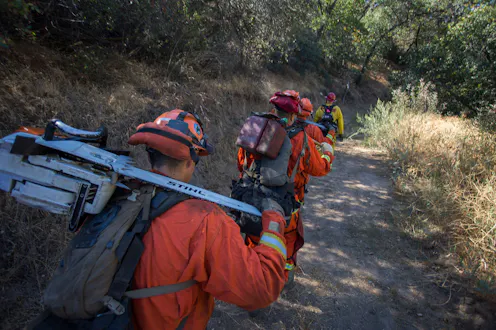
Georgia’s inmate fire crews respond to hundreds of calls in surrounding counties every year. Without them, there might not be a responder, but they aren’t universally loved – and they don’t get paid.
A survey conducted in Texas state prisons finds that many lack basic resources like cold water, ice and air conditioning to help incarcerated people and staff keep cool during heat waves.
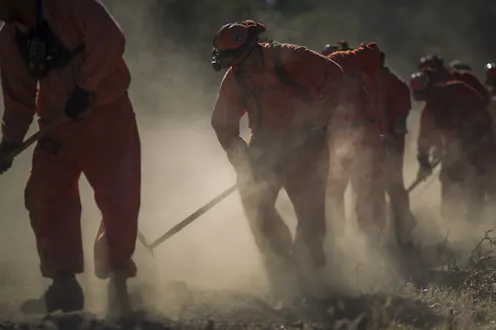
Relying on incarcerated workers in emergencies such as the wildfires ravaging parts of the US is a cheap alternative for states. But what protections are there for prisoners?
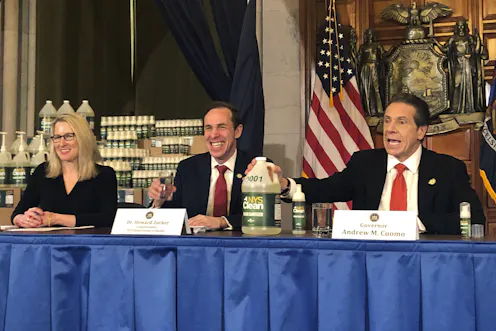
Incarcerated Americans have been tasked with washing hospital laundry, manufacturing protective equipment, disinfecting cleaning supplies and digging mass graves.
Contact J. for
- General
- Media request
- Speaking request
- Consulting / Advising
- Research collaboration
- Location: Houston, Texas, U.S.
- Website
- X (formerly Twitter): @jcarleepurdumphd
- Article Feed
- ORCID
- Joined
