
The RBA will get one more inflation reading before it meets again on rates.
- Lecturer in Economics, Monash University
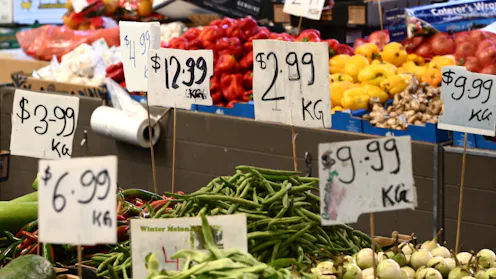
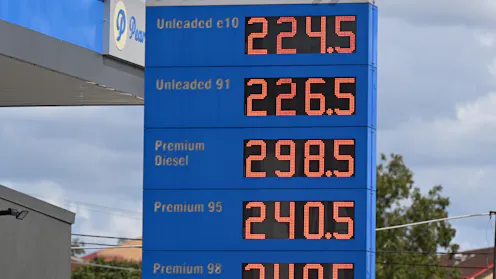
The latest figures show petrol prices are down – but nearly everything else is still rising.
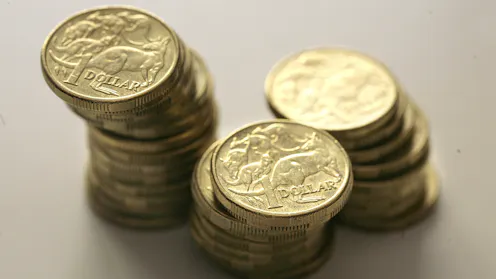
Are recent gains against the US dollar just a blip – or the start of a new trend? A former Reserve Bank economist explains what to keep an eye on for the year ahead.
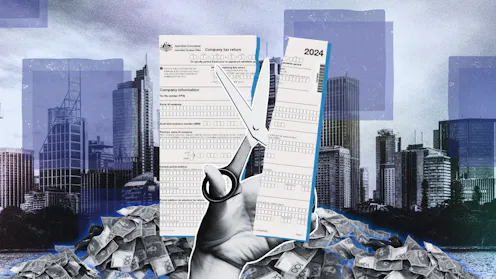
In Australia, it remains unclear why previous corporate tax reductions largely failed to generate investment.

Labor and the Coalition have both acknowledged the cost-of-living crisis facing many Australians in separate tax policies unveiled on Sunday.
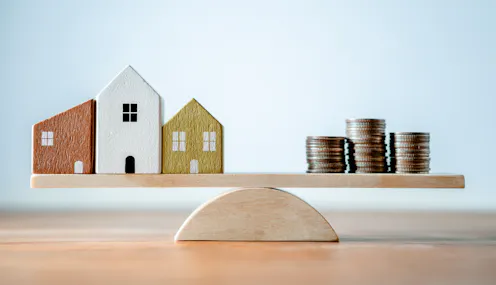
If you’re saving to buy a house, planning an overseas trip, or a pensioner, the rate cut will be no help.

The newer, more frequent monthly measure of inflation is moving further away from the Reserve Bank’s target band.
How exactly does our central bank control the cost of borrowing in the first place?
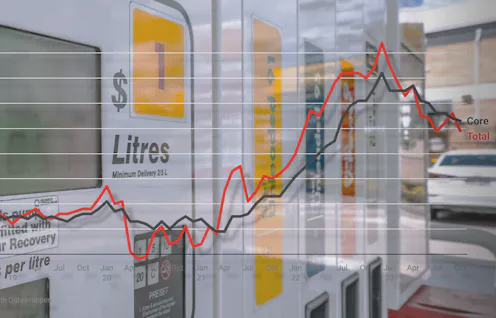
Average prices fell in October, driven down by dives in the price of petrol and overseas travel, and an increase in Commonwealth Rent assistance.

Treasurer Jim Chalmers has made the first ever Reserve Bank appointment from outside the country as part of an effort to fight ‘groupthink’.
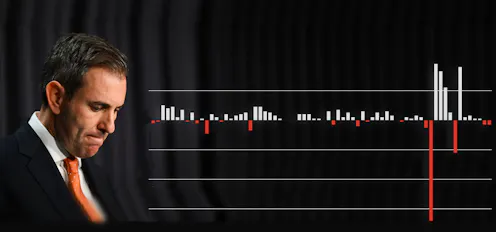
Six charts explain the Australian economy. Three of the most disturbing show living standards going backwards, productivity collapsing and household saving falling to a 15-year low.

We hear a lot about the negative impact of rate rises on mortgage repayments while little is made of the benefits of high interest rates.
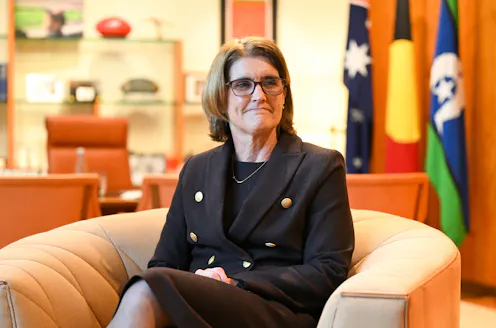
Although she has been with the bank four decades, the past two have been in areas remote from the setting of interest rates, meaning she won’t feel compelled to defend the mistakes of the past.
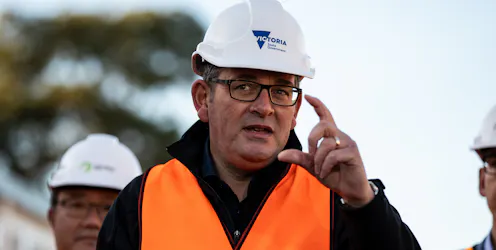
The Andrews government has made a decent first step to reduce Victoria’s mountain of debt by $30 billion over the next decade.
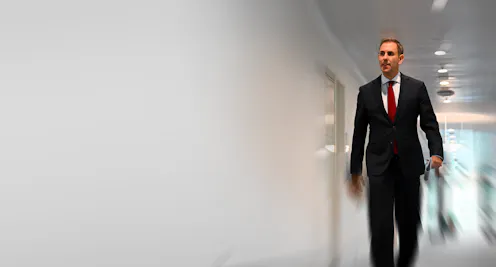
Just as we have the country’s smartest legal minds on the High Court and our best health practitioners setting vaccine policy, the review wants the best economists to set monetary policy.
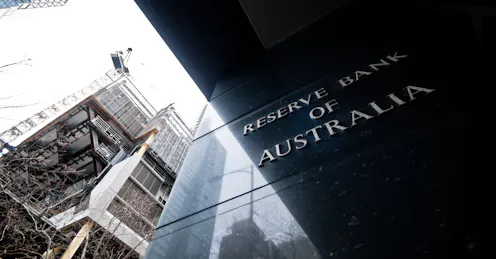
The Reserve Bank of Australia tips economic growth to slow, inflation to remain high, spending to stagnate, unemployment to increase and real wages to fall further.
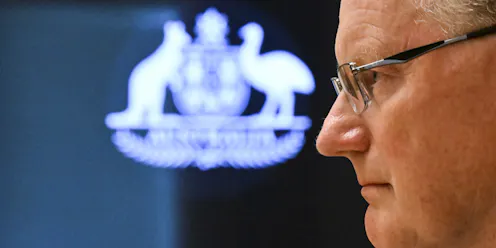
Interest rates are almost certain to rise again in February, after the latest Consumer Price Index figures showing inflation hitting a record high of 7.8% in 2022.
How could a central bank even make a loss, when its job is printing money? The answer is that during the COVID crisis it turned traditional investment advice on its head – and here’s why.

The Reserve Bank of Australia has delivered a ‘double-whammy’ interest rate rise, with up to five more to come in 2022.
Looking back at the Reserve Bank’s performance in setting interest rates over the past generation, we’d grade it an A for earlier years – but a fail for the years just before the pandemic. Here’s why.
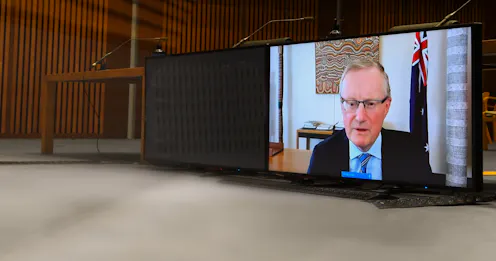
Governor Philip Lowe says it is “not unreasonable” to expect the cash rate to climb to 2.5%. That’s an extra $600 to service a $500,000 mortgage.

The government used to set interest rates but it doesn’t anymore. If UAP really did try to deliver on an election promise to cap interest rates at 3% for five years, what would the consequences be?
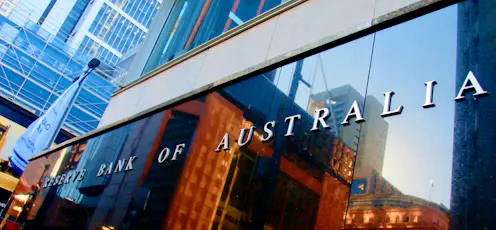
Australia’s Reserve Bank no longer says it is patient, but it is unlikely to move move until it sees widespread higher wage growth.

Do you have what it takes to be Australia’s number two central banker and heir apparent to the governor? Here are the questions you’ll need to prepare to answer.

All eyes now are on the choice of Philip Lowe’s successor – and the possibility that the next RBA governor will, for the first time, be a woman.
Contact Isaac for
- General
- Media request
- Speaking request
- Consulting / Advising
- Research collaboration
- Research supervision
- Location: Melbourne, Australia
- Website
- X (formerly Twitter): @zacgross
- Article Feed
- Joined
